
Test Perfume on Skin or Clothes With a 2ml Decant
Skin gives a perfume its life; clothes make it last. If you want to know what a fragrance actually smells like, from opening burst to final dry-down, spray your skin. If you want it to survive an eight-hour shift or a long-haul flight, put a light mist on your coat or scarf instead. Sampling both is easy: Theperfumesampler sells fragrance decants specifically so you can run this comparison before committing to a full bottle.
TL;DR:
- Fragrance lasts significantly longer on fabric than on skin, with natural fibers holding scent for 24 to 48 hours versus four to eight hours on skin.
- Applying perfume to skin allows it to develop over time, while fabric retention provides more consistent scent without evolution.
- External factors like humidity, sweat, and moisturizer influence how fragrance behaves differently on skin and fabric.
- Proper application techniques, including targeting pulse points and avoiding rubbing, are crucial for optimal scent performance on either surface.
- Testing fragrances on both skin and fabric using decants provides the best understanding of longevity and development before committing to a full bottle.
Table of Contents
- Spray skin vs clothes: what changes and why it matters
- Why skin and fabric hold fragrance so differently
- How to apply perfume properly on skin and fabric
- Avoiding stains, fabric damage and skin irritation
- Which surface should you choose for your situation?
- Testing skin versus fabric without buying a full bottle
- One habit worth stealing
- Try before you commit: testing skin and fabric with decants
- Sources
Spray skin vs clothes: what changes and why it matters
The difference between skin and fabric application isn’t cosmetic. It changes how long a scent lasts, how far it travels, and how it evolves from the first spray to the last trace hours later. Understanding these three variables, longevity, projection and evolution, is the entire decision.
Longevity favours fabric, and it isn’t close. Skin holds most fragrances for four to eight hours before the scent fades below detection, largely because body heat and skin oils accelerate evaporation. Clothing, particularly natural fibres like wool or cotton, can hold onto scent for 24 to 48 hours, sometimes longer if the garment isn’t washed. That’s why a jacket you wore last Tuesday can still smell faintly of the cologne you sprayed on it.
Projection works differently depending on the surface. Skin projection is soft and close, the kind of scent someone notices when they lean in for a hug. Fabric projection can be stronger initially, because the alcohol and top notes sit on the surface rather than blending with skin chemistry, but it’s also less dynamic. It throws the same note profile at hour one and hour ten.
Evolution is where skin wins decisively. A fragrance on skin genuinely develops. Top notes burn off, heart notes emerge, and base notes settle in over several hours, shaped by your own body temperature and natural oils. On fabric, that arc flattens. The scent stays closer to what came out of the bottle, which is useful for consistency but less interesting if you actually enjoy watching a perfume change.
Quick scenario cues:
- Commuting or a busy office: skin, kept light, so the scent stays personal rather than filling a shared space.
- A date night or evening out: skin for development, with an optional light mist on a scarf for backup.
- Travel or long, cold-weather days: fabric, since you need the scent to survive without reapplication.
- Testing a new fragrance: always skin first. Fabric can mask a weak or poorly blended composition and make it seem more polished than it is, according to PerfumeOnSkin’s comparison of the two methods.
Why skin and fabric hold fragrance so differently
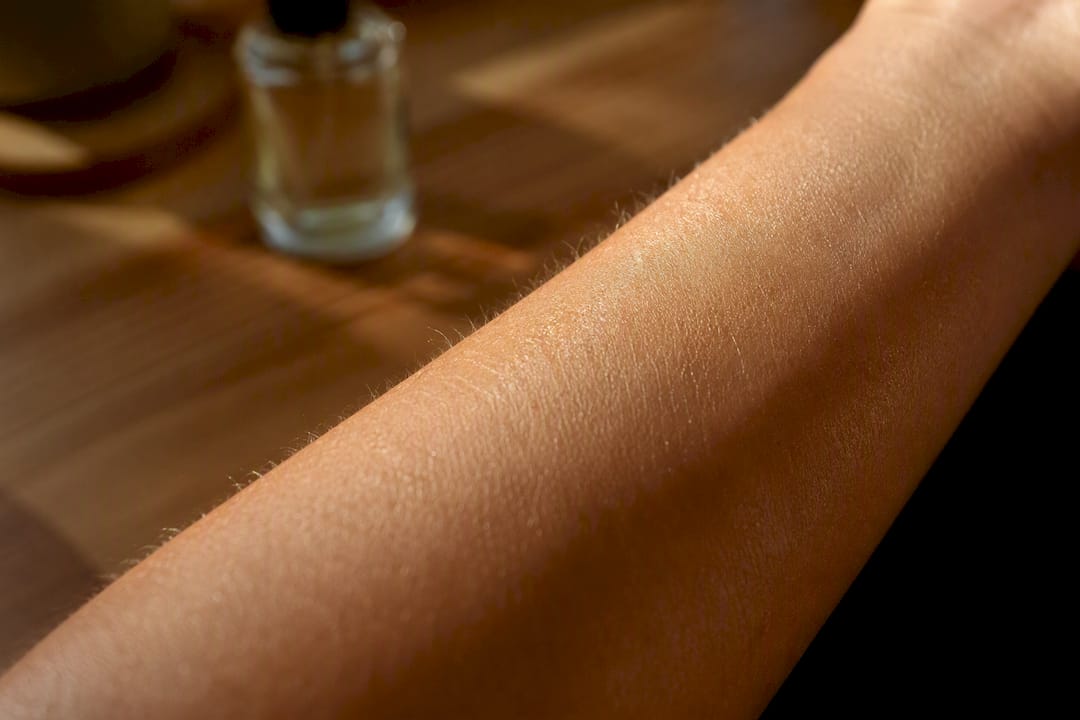
The chemistry behind this is straightforward once you see it laid out. Skin is warm, slightly acidic, and covered in natural oils, all three of which speed up the evaporation of volatile top notes. That’s the same mechanism that makes a fragrance smell sharper and brighter in the first ten minutes on skin than it ever will on fabric. Heat pushes molecules into the air faster, and pH influences how those molecules bind and release.
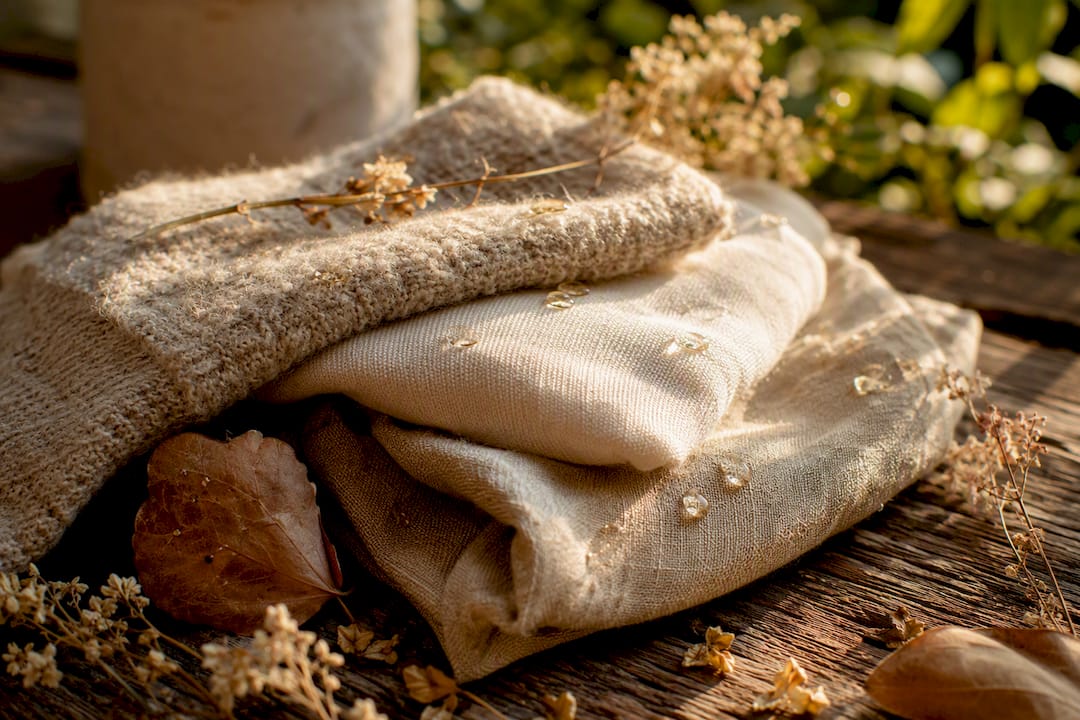
Fabric behaves almost like a slow-release capsule. Fibres, especially natural ones like wool, cotton and linen, have a porous structure that traps fragrance oils and lets them off gradually rather than in one initial burst. Synthetic fibres like polyester tend to hold less oil overall and release it faster, which is one reason a poly-blend shirt won’t carry scent nearly as long as a wool coat.
External conditions shift both surfaces in predictable ways. Humidity slows evaporation on skin, which is why fragrances often seem to last longer on muggy days. Sweat is the opposite story: perfumers caution that in hot climates, sweat and skin oils can break down scent compounds faster than usual, which is why some recommend applying to hair, a scarf, or clothing instead of skin in warmer weather. Moisturiser changes the equation too, but for the better. Moisturised skin binds fragrance more effectively than dry skin, which is why so many perfumers recommend applying scent straight after a shower or over an unscented lotion. Theperfumesampler’s own guide on why perfume smells different on your skin goes deeper into how individual body chemistry shapes this.
How to apply perfume properly on skin and fabric
Technique matters as much as the surface you choose. Get the basics wrong and even the best fragrance will underperform.
- Hold the bottle six to eight inches away from skin or fabric. Spraying too close concentrates the liquid in one spot, which wastes product on skin and risks a visible wet patch or stain on clothing.
- Target pulse points, the inner wrists, neck, and inner elbows, where blood vessels sit close to the skin’s surface and generate warmth that helps the scent open up.
- Never rub your wrists together after spraying. It feels instinctive, but rubbing breaks down the top note molecules and shortens how long the opening notes last. Let it air-dry instead.
- Layer deliberately: moisturise first, apply one or two sprays to skin, then add a single light mist to an outer layer, like a coat lining or scarf, from a distance, if you need extra longevity.
- Avoid the “spray and walk through it” habit unless you’re testing scent on the move. Most of that fragrance disperses into the air rather than landing anywhere useful, which is simply wasted product.
To actually compare skin and fabric performance, run a small test: apply to moisturised skin and note your impressions at 30 minutes, two hours and six hours in. Then apply a single light spray to an outer garment and check it again at 12 and 24 hours. Change only one variable at a time so you know exactly what’s driving the result.
Pro Tip: Keep a small decant in your bag for this exact test. A 2ml sample gives you enough product for several skin applications and a couple of fabric tests without touching a full bottle.
Avoiding stains, fabric damage and skin irritation
Fabric application carries a real risk that skin application doesn’t: staining. Fragrance oils and the alcohol base can discolour or damage certain materials, and once it happens, it’s often permanent.
- Avoid spraying directly onto silk, suede, leather, and light or delicate linen. The oils in a fragrance can disrupt dye and leave a visible mark, particularly on pale fabrics.
- Test on a hidden seam first, inside a hem or a jacket lining, and wait roughly 24 hours before laundering to check whether any mark has set in.
- Never spray perfume directly onto your face or near your eyes. Beyond the obvious irritation risk, it’s simply not a controlled application point.
- Watch for redness, itching, or a rash after skin application, particularly with alcohol-heavy fragrances. If that happens, switch to fabric or hair application instead, or opt for a smaller, more diluted application until you’ve identified the trigger. Readers researching sensitive-skin alternatives may find this breakdown of fragrance ingredients worth avoiding in skincare useful background.
- Store your bottles away from heat and direct light, both of which degrade fragrance compounds faster than normal use ever will.
Which surface should you choose for your situation?
Most people don’t need a universal rule. They need the right answer for Tuesday’s commute versus Saturday’s flight. Here’s how to think about the common scenarios.
- Office or close-contact settings: go skin-first, moisturised, with one or two sprays kept deliberately light. Colleagues sitting next to you all day don’t need a strong sillage, and skin application keeps things personal rather than filling the room.
- Long events, travel days or cold weather: add a light mist to outerwear, a scarf, or a coat lining. Fabric holds up over hours where skin fragrance would otherwise need reapplying, which matters most on flights or long shifts where reapplication isn’t practical.
- Testing a fragrance you haven’t worn before: skin first, always. It shows you the honest development of the scent. Once you know you like it, test it on fabric separately to judge longevity, rather than mixing the two tests together.
- Sensitive skin: lean towards fabric application, or apply lightly to clothing and hair rather than directly to skin. Using small decants for this kind of testing limits exposure while you work out whether a fragrance agrees with you. Background on fragrance-related skin sensitivities can help if you’re trying to identify a specific ingredient concern.
If you’re topping up midway through the day, the surface you chose in the morning still matters. Skin fragrance needs a fresh, light spray to reawaken it. Fabric fragrance rarely needs a top-up at all, since it’s still releasing scent slowly from the fibres. Theperfumesampler’s guide on refreshing fragrance during the day covers this in more practical detail.
Testing skin versus fabric without buying a full bottle
Running a proper skin-versus-fabric comparison doesn’t require committing £100 or more to a bottle you’re unsure about. Decants in 2ml, 3ml, 5ml and 10ml sizes give you enough product to test both surfaces several times over, which is exactly what a fair comparison needs.
A simple protocol: apply to moisturised skin and log your impressions at half an hour, two hours and six hours. Separately, apply one light spray to a jacket seam or scarf and check it again the next day. Comparing notes side by side tells you far more than a single in-store spritz ever could, and it costs a fraction of a full bottle if the fragrance turns out not to suit you.
None of this requires a purchase to be useful. The same protocol works with any sample you already own. If you don’t have one to hand, Theperfumesampler’s guide to making fragrance last longer is worth reading regardless of where you buy your decants.
One habit worth stealing
I test every new fragrance on skin first, always. It’s the only way to see whether a scent actually develops the way the notes list promises, rather than sitting flat for six hours. If longevity turns out to matter for that particular day, I’ll add a single light mist to a coat or scarf from a distance, never as a substitute for the skin test, just as insurance.
Small decants make this habit painless. You’re not gambling £120 on a full bottle to find out a fragrance goes sharp and synthetic after twenty minutes. You spend a few pounds, learn what you need to know, and move on if it’s wrong. That reduces waste and, frankly, saves you from a drawer full of bottles you never reach for again.
— Rupesh
Try before you commit: testing skin and fabric with decants
Theperfumesampler exists precisely for the comparison this article has walked through. Rather than guessing how a fragrance behaves on your skin versus your coat lining based on a shop tester, you can buy a proper decant and run the test yourself, on your own schedule, in your own conditions.
Sizes run from 2ml up to 10ml, enough for multiple skin applications and a few fabric tests without spending full-bottle money. If you’re weighing up whether decants make sense for you, Why Decants explains the reasoning in more detail. Once you’ve found a fragrance that performs the way you want on both surfaces, the full bottle collection is there for when you’re ready to commit. Start with a decant, run your own skin-versus-fabric comparison, and decide from there.
Sources
- How to buy and wear perfume | Vogue
- How to Apply Cologne: The 2-Spray Rule | Premiere Peau
- How to apply perfume | Women’s Health