
What is a perfume decant, and how does it work?
A perfume decant is a small, genuine portion of fragrance transferred from a full-size bottle into a travel-sized atomiser, with no dilution, no additives and no reformulation. Sizes vary by seller, but most fall between 1ml and 10ml, with 2ml, 3ml, 5ml and 10ml being the most common. Theperfumesampler works with these exact sizes because they cover the three reasons most people buy a decant in the first place:
- Sampling a fragrance before committing to a full bottle
- Travelling without checking a large bottle into luggage
- Sharing or gifting a scent someone wants to try
Key Takeaways
A perfume decant is a genuine, undiluted portion of fragrance sold in small sizes, typically 2ml to 10ml, so buyers can test or travel with a scent before paying full-bottle prices.
| Point | Details |
|---|---|
| Same liquid, smaller size | A decant contains the original fragrance with no dilution, additives or reformulation. |
| Differs from brand samples | Decants are third-party poured from full bottles; factory samples come pre-bottled from the brand. |
| Hygiene affects longevity | Sellers who minimise air exposure during decanting help the fragrance last longer. |
| Check before buying | Look for exact sizing, bottle photos, and seller reviews before purchasing a decant. |
| Theperfumesampler’s approach | Offers 2ml, 3ml, 5ml and 10ml decants with clear labelling and genuine sourcing across niche and designer fragrances. |
Table of Contents
- What is a decant, and how is it different from a sample?
- How are perfume decants made?
- Why do people buy decants instead of full bottles?
- Are perfume decants legal, and how do you check they’re authentic?
- How do you store and use a decant so it lasts?
- How do you choose a reliable decant seller?
- How does Theperfumesampler handle decants?
- What newcomers get wrong about decants
- Try before you commit, without the full-bottle price tag
- Sources
What is a decant, and how is it different from a sample?
Understanding what separates a decant from a brand-issued sample clears up most of the confusion beginners have when they start shopping for fragrance in smaller sizes.
- Who makes it. A factory sample is bottled by the fragrance house itself, usually as a marketing giveaway. A decant is hand-poured by a third-party seller or retailer, drawn from a genuine full-size bottle they’ve purchased. The distinction matters because it explains why decants exist for scents that never got an official sample size.
- What the packaging looks like. Brand samples usually arrive in a small branded vial with the manufacturer’s own printing. A decant typically comes in a plain glass atomiser or vial, labelled by the seller with the fragrance name, size, and sometimes a batch reference copied from the original bottle.
- What’s inside the bottle. This is the part newcomers worry about most, and the answer is reassuring: a properly made decant contains the exact same juice as the full bottle it came from. Nothing is diluted, blended, or altered. It’s the same perfume, just in less of it.
How are perfume decants made?
Decanting is a physical transfer, not a chemistry project, but doing it well takes the right tools and a steady hand, as explored in detail in Beyond aromatherapy: Florastina in fine perfumery — PALINOVA. Sellers typically use one of three approaches.
- Syringe draw, where a fine needle pulls fragrance directly through the spray nozzle without dismantling the bottle.
- Nozzle removal, where the spray head comes off entirely to access the dip tube, allowing a faster and cleaner pour for larger decant batches.
- Gravity pour, where fragrance is poured slowly into a funnel or nozzle adapter and captured in a sterile atomiser.
The tools involved are simple: sterile glass atomisers, fine-gauge syringes, nozzle adapters, and small funnels designed to reduce spillage and splashback. What separates a careful seller from a careless one is how they manage air exposure. Every time a bottle is opened, oxygen gets in, and oxygen is what slowly changes a fragrance’s character over time. A seller who works quickly, uses clean equipment between batches, and reseals bottles promptly is protecting the scent’s integrity, not just following procedure. Theperfumesampler’s own decanting methods follow this same logic: less air, less handling, better preserved fragrance.
Pro Tip: If a decant seller mentions their equipment or process on the listing, that’s usually a good sign. Sellers who take hygiene seriously tend to talk about it openly.
Why do people buy decants instead of full bottles?
The honest answer is money, but it’s not the only one. A 100ml bottle of a niche fragrance can run into hundreds of pounds, and no amount of reading reviews tells you how it will actually smell on your own skin. A decant solves that problem for a fraction of the cost.
- Cost. Testing five fragrances via decants almost always costs less than buying one full bottle that turns out to be wrong for you.
- Time on skin. A paper strip in a shop gives you the opening notes and nothing else. A decant lets you live with a scent for a full day, or several, and watch how it develops through its dry-down, which is often where a fragrance either wins you over or falls flat.
- Travel practicality. Most decants fall well within the 100ml liquid limit most airlines enforce for carry-on luggage, and a 5ml or 10ml atomiser takes up almost no space in a wash bag.
There’s a reason serious fragrance enthusiasts rarely buy a full bottle blind. Committing to hours of actual wear, across different weather and different days, tells you more about a scent than any first impression ever could.
Are perfume decants legal, and how do you check they’re authentic?
Decanting itself is a widely practised, everyday part of the fragrance retail world, not some grey-market workaround. There’s no single blanket ruling that makes it universally legal or illegal everywhere, so the more useful question isn’t “is this allowed?” but “does this seller operate transparently?”
A trustworthy listing gives you the tools to judge that for yourself.
- Photos of the original bottle, ideally with a batch code visible, so you can see exactly what the decant was poured from.
- Clear labelling stating the fragrance name and exact size, something reputable seller guides consistently flag as a baseline expectation.
- Seller history and reviews, which tell you whether other buyers received what they paid for.
Watch for the opposite: vague listings with no size stated, stock photos instead of the seller’s own bottle, or prices so low they don’t cover the cost of the original fragrance. Those are the signs worth walking away from.
How do you store and use a decant so it lasts?
A decant isn’t shelf-stable in the way a sealed factory bottle is, mainly because it’s already been opened and repackaged. That doesn’t mean it degrades quickly, but a few habits make a real difference.
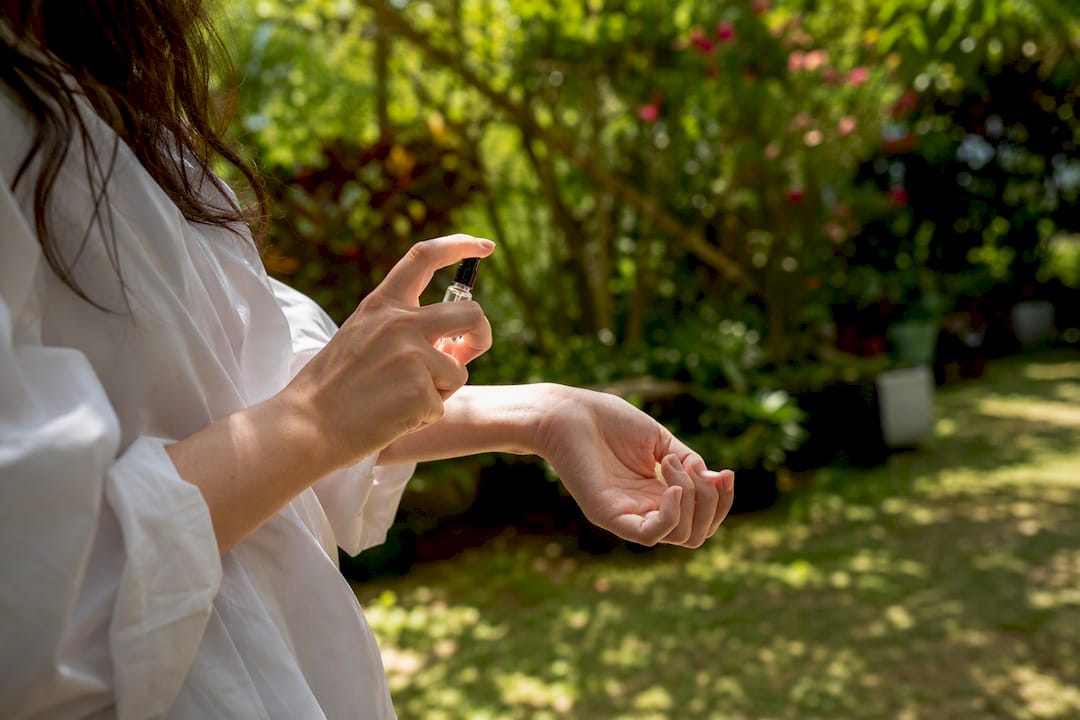
- Apply as normal, on pulse points or clothing, and give a new fragrance at least two or three separate wearings before deciding whether it works for you.
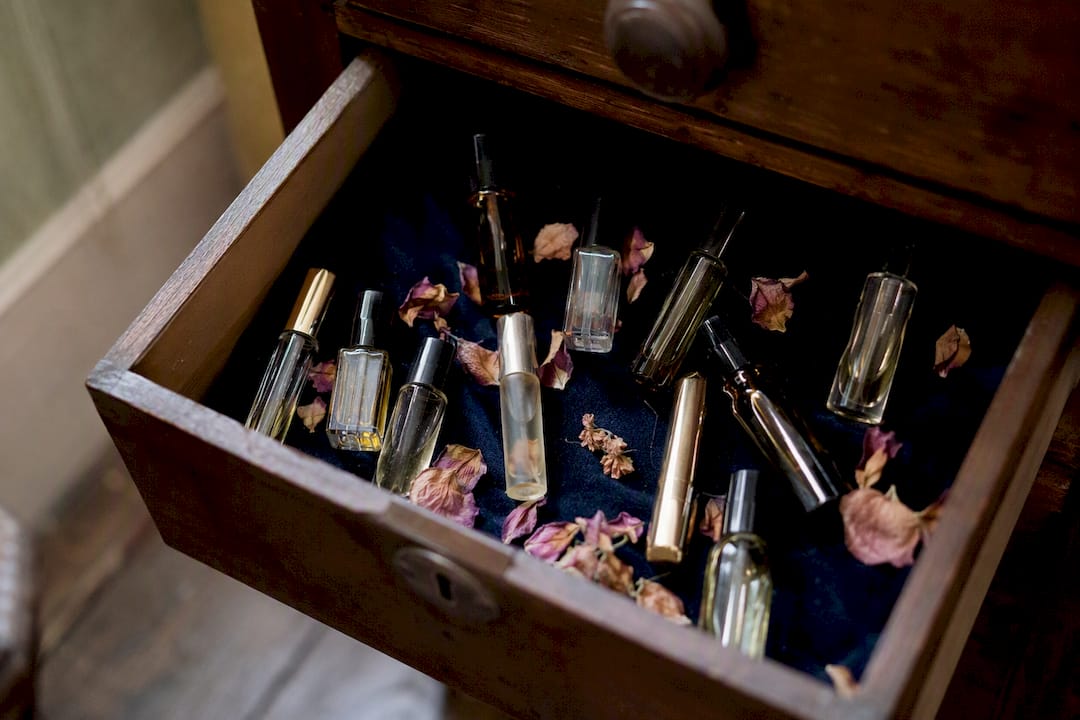
- Store it upright, in the dark, away from bathroom humidity and windowsills. Sunlight and heat are what break a fragrance down faster than time alone.
- Avoid temperature swings, such as leaving a decant in a hot car or a cold glovebox, which stresses the fragrance’s composition.
A decant that’s been well stored should perform reliably for many months. If the scent starts smelling flat, sour, or noticeably different from how it opened, that’s usually oxidation setting in.
Pro Tip: Keep decants in a drawer rather than on an open shelf. Even indirect daylight adds up over months.
How do you choose a reliable decant seller?
A few checks, done before you buy, separate a good decanting seller from a risky one.
- Does the listing state an exact size (2ml, 3ml, 5ml, 10ml), not a vague “sample size”?
- Are there clear photos of the actual bottle the decant was poured from, not a stock image?
- Does the seller have a track record of reviews you can actually read?
- Is there any mention of hygienic decanting practice, such as sterile atomisers or minimal air exposure?
On price, extremely cheap listings for well-known niche fragrances are the biggest red flag in the category. If a decant costs less than the fragrance oil itself would reasonably allow, something doesn’t add up. It’s fair to ask a seller directly when a bottle was decanted and how it’s been stored since. A seller confident in their process will answer without hesitation.
| Point | Details |
|---|---|
| Check the size stated | Confirm the listing names an exact volume (2ml, 3ml, 5ml, 10ml), not a vague description. |
| Look for bottle photos | Genuine sellers show the original bottle, ideally with a visible batch code. |
| Read seller reviews | A track record of honest reviews tells you more than the listing copy does. |
| Ask about storage | A seller who can explain when and how a decant was made is worth trusting. |
How does Theperfumesampler handle decants?
Theperfumesampler decants in four sizes, 2ml, 3ml, 5ml and 10ml, covering everything from a quick trial to a travel-ready supply that lasts weeks. Every decant is poured from a genuine full bottle and labelled clearly with the fragrance name and size, following the same standards outlined earlier in this guide.
- Sizes offered: 2ml, 3ml, 5ml, 10ml, across both niche and designer fragrance
- Packaging: clean, clearly labelled atomisers with no ambiguity about what’s inside
- Guidance: published explainers on decanting advantages written to help newcomers buy with confidence
Rupesh’s published guides on decanting methods and fragrance sampling reflect the same checklist a careful buyer should run through: transparency on size, visible sourcing, and hygienic handling from bottle to vial.
What newcomers get wrong about decants
Most beginners assume the risk with decants is authenticity, and spend all their attention checking whether the liquid is “real.” That’s worth checking, but it’s rarely where things actually go wrong. The bigger risk is buyers judging a fragrance on a single wearing, then writing it off before the dry-down has had a chance to show its character.
Conventional advice tends to focus heavily on price comparison, decants versus full bottles, cost per millilitre, and so on. That’s useful maths, but it misses the actual point of sampling: a decant isn’t just a cheaper way to own perfume, it’s a way to avoid an expensive mistake. The maths only matters after you’ve confirmed the scent works on your skin, in your climate, across a normal week.
If there’s one thing to prioritise first, it’s this: buy from a seller who’s transparent about sourcing and handling, then give the fragrance a fair trial before forming an opinion. Everything else, the exact size, the price per millilitre, is secondary to getting those two things right.
— Rupesh
Try before you commit, without the full-bottle price tag
Theperfumesampler exists for exactly the scenario this guide has walked through: you want to know how a fragrance actually behaves on your skin before spending on a full bottle you might not love. Choose from 2ml, 3ml, 5ml or 10ml decants across niche and designer fragrances, each poured and labelled to the same standards covered above, clear sizing, genuine sourcing, no dilution.
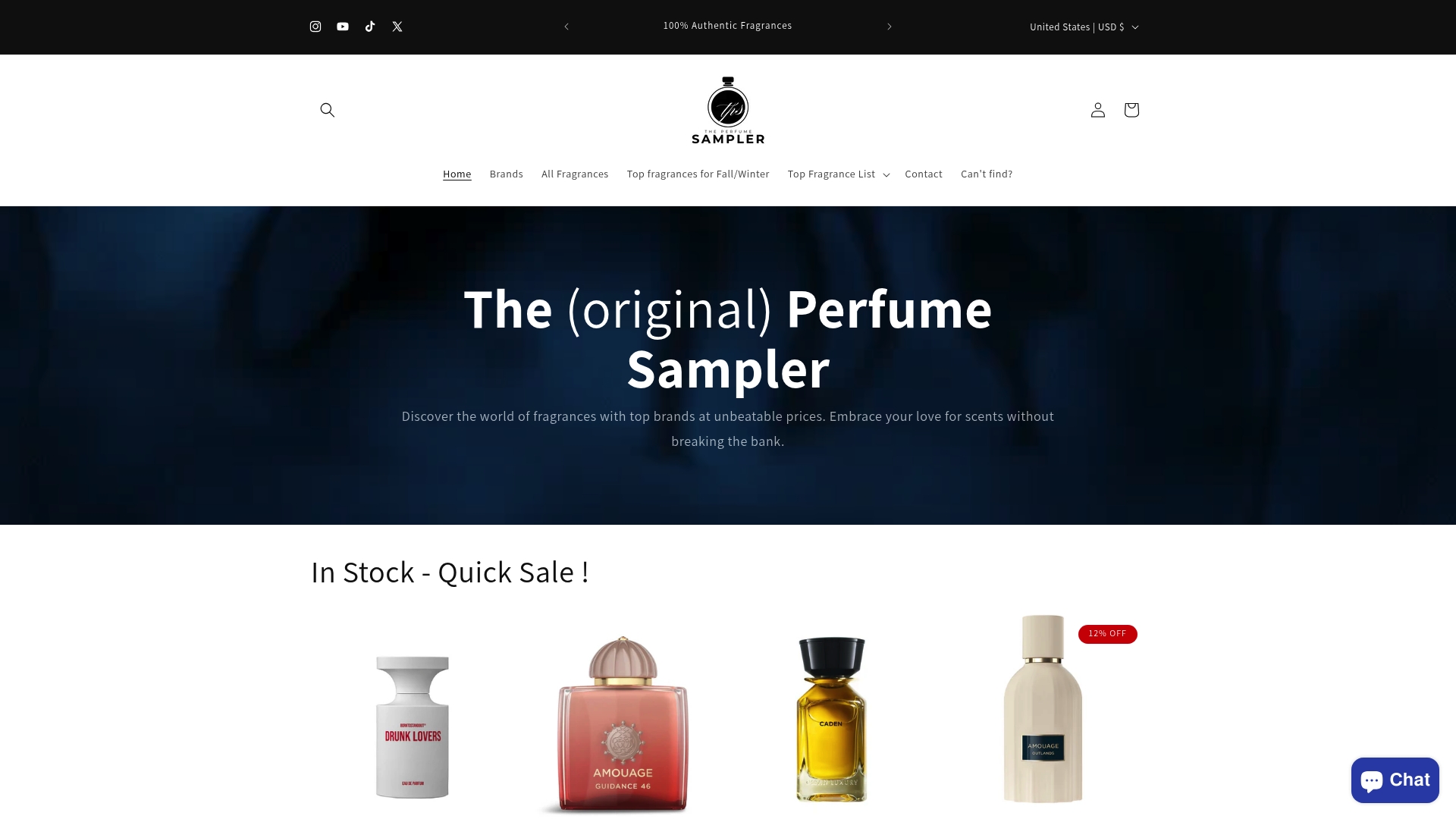
Unlike a department store spray test that fades in an hour, a decant lets you wear a fragrance for a full day or several, which is the only reliable way to judge how it develops. Theperfumesampler’s decant range covers both men’s and women’s fragrances at a fraction of full-bottle prices, and if a scent earns its place, the full bottle is one click away. Browse the current selection and pick a size that fits how you want to test your next fragrance.
Sources
- What Is Decanting in Perfume? | Scented Chemistry
- What Is a Perfume Decant? Sizes, How They’re Made & More
- What Is a Perfume Decant? Complete Beginner’s Guide (DecantSample)