
Mastering the fragrance review process: steps and trends
TL;DR:
- Fragrance reviews require structured criteria, proper tools, and multiple testings for reliability.
- trends emphasize artistic, niche, wellness, and layered scents, influencing review approaches.
- Full-day testing and objective scoring help mitigate bias and accurately assess modern fragrance complexities.
Fragrance reviews have never been more contested. With niche and indie perfumery growing rapidly, and new formats such as solid scents, layering kits, and wellness-focused fragrances entering the market, collectors and enthusiasts often find existing reviews inconsistent or incomplete. What one reviewer calls “excellent projection” another dismisses as overpowering. This guide walks you through the 2026 fragrance review methodology, step by step, with structured criteria and evidence-backed techniques. By the end, you will know exactly how to conduct, score, and verify a fragrance review with confidence.
Table of Contents
- What you need for a fragrance review
- Step-by-step fragrance review process
- Common mistakes and troubleshooting
- 2026 trends influencing fragrance reviews
- Why traditional reviews miss the mark in 2026
- Find your next fragrance sampling experience
- Frequently asked questions
Key Takeaways
| Point | Details |
|---|---|
| Structured reviews matter | Using systematic criteria enhances objectivity and credibility for perfume assessments. |
| Multiple wears are key | Consistent results come from testing fragrances on skin in varied conditions over multiple occasions. |
| Trends drive change | 2026’s rise of niche, layering, and wellness scents requires new review approaches and criteria. |
| Avoid common pitfalls | Skipping steps or neglecting environment factors can undermine the accuracy and reliability of your reviews. |
| Sampling unlocks potential | Trying decants and curated selections is the best way to experience and review diverse fragrances. |
What you need for a fragrance review
Before you assess a single scent, you need the right setup. Reviewing without proper tools leads to unreliable results. Think of it like tasting wine in a kitchen full of cooking smells. The environment and equipment matter as much as the fragrance itself.
The core tools for any structured review include:
- Scent blotters: Paper strips for initial top-note impressions without skin chemistry interference
- Skin test area: Inner wrist or forearm for real-world wear assessment
- Sample vials: Allow repeated testing across different days and conditions
- A timer: Essential for tracking longevity accurately
- Notebook or scoring sheet: Record observations at set intervals
Your environment also plays a significant role. Test in a neutral-smelling room, away from food, cleaning products, or heavy air fresheners. Humidity and temperature affect how a fragrance performs, so noting these conditions adds useful context to your review.
The criteria you use to score a fragrance should be consistent across every review. A personal reviewer methodology includes tracking projection, longevity, price, versatility, and a final verdict as the core pillars of structured assessment. These five dimensions give your review structure and make it comparable to others.
Here is a useful criteria grid to guide your scoring:
| Criterion | What to assess | Score range |
|---|---|---|
| Projection | How far the scent radiates from skin | 1 to 10 |
| Longevity | Hours the scent remains detectable | 1 to 10 |
| Versatility | Suitability across seasons and occasions | 1 to 10 |
| Price value | Quality relative to cost | 1 to 10 |
| Emotional effect | Personal and mood-based impact | 1 to 10 |
Understanding the different fragrance sample types available helps you choose the right format for testing. Decants in 2ml to 10ml sizes are ideal because they provide enough volume for multiple full-day tests without committing to a full bottle. The perfume reviewer role also gives useful context on how professional reviewers approach these same criteria.
Step-by-step fragrance review process
With your tools and criteria ready, you can move through the review process in a structured sequence. Consistency is everything here. Skipping steps or rushing through stages undermines the reliability of your findings.
- Apply to blotter first: Spray or dab onto a scent strip. Note the immediate top notes, the first impression before skin chemistry alters the scent.
- Apply to skin: Use the inner wrist or forearm. Wait five minutes, then record the opening phase.
- Log at set intervals: Note the scent at 30 minutes, one hour, two hours, four hours, and six hours. Use a timer to stay consistent.
- Assess projection at each stage: Step away from your wrist and ask a third party to detect the scent at one metre and two metres. Record results.
- Score versatility: Consider whether the fragrance suits warm weather, cold weather, daytime, and evening wear.
- Calculate your final score: Use a 1 to 10 scale per criterion, then average for an overall rating.
Structured criteria and full-day wear are necessary for consistent reviews. A single blotter sniff tells you almost nothing about real-world performance.
Parfumo community scoring involves numerical ratings, wear testing, and third-party assessment for projection, making it one of the more rigorous community-based systems available.
Here is a simplified scoring reference:
| Score | Projection | Longevity |
|---|---|---|
| 9 to 10 | Detected beyond 2 metres | Over 10 hours |
| 6 to 8 | Detected at 1 to 2 metres | 6 to 10 hours |
| 3 to 5 | Close-skin only | 3 to 6 hours |
| 1 to 2 | Barely detectable | Under 3 hours |
Pro Tip: Always re-sniff the blotter alongside your skin test at each interval. This helps you separate the fragrance’s inherent character from how your skin chemistry is modifying it.
For a deeper understanding of how scent radiates, the perfume projection guide is a reliable reference. If you want to extend your test results, fragrance longevity tips offer practical techniques that also inform how you interpret your scores.
Common mistakes and troubleshooting
Even with a solid process, reviews go wrong. Knowing the most frequent pitfalls helps you catch errors before they skew your results.
Rushing the wear test is the most common mistake. Many reviewers form opinions after one or two hours. This misses the dry-down phase entirely, where a fragrance’s true character often emerges. Commit to a full day.
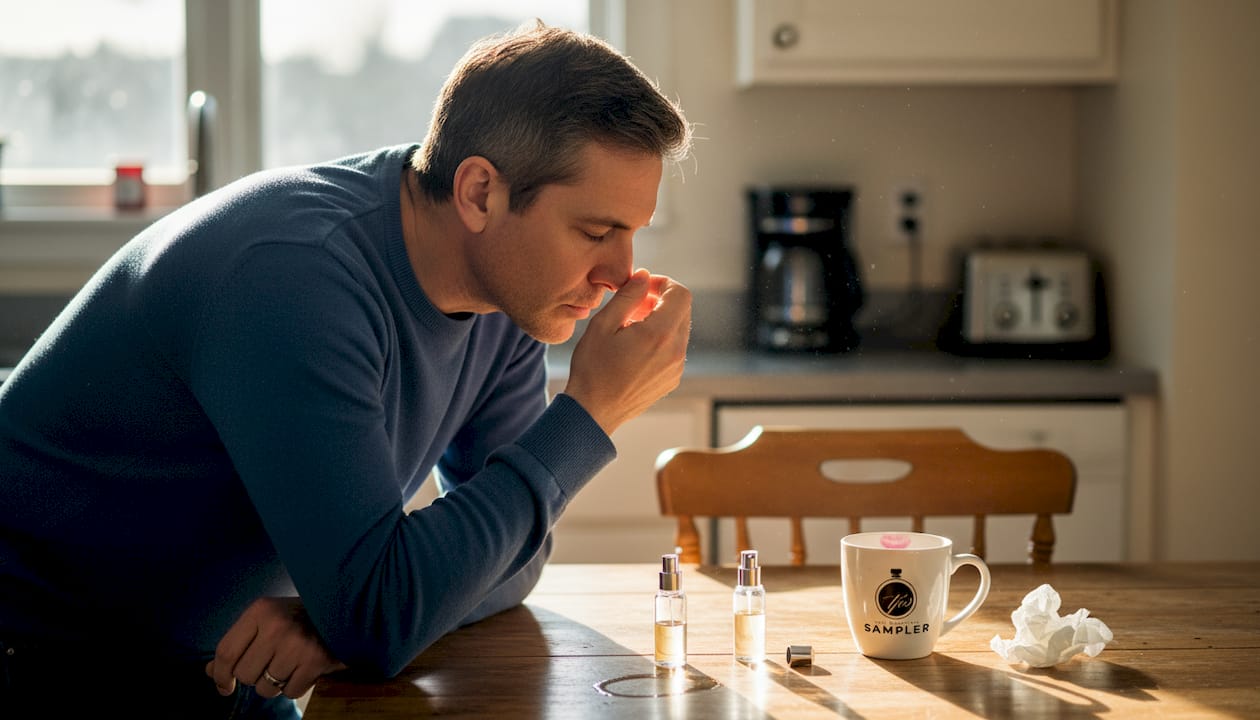
Ignoring environmental factors distorts your readings. High humidity amplifies projection. Dry, cold air suppresses it. Skin that is well-moisturised holds fragrance longer than dry skin. Note these variables every time.
Over-relying on personal affinity introduces bias. If you love gourmand scents, you may unconsciously rate them higher on emotional effect. Scent preference is always subjective, but bias is minimised with structure. Use your scoring grid consistently, regardless of whether you enjoy the fragrance personally.
Here are the most common mistakes and how to address them:
- Single-wear reviews: Always test across at least two separate days for consistency
- Testing multiple fragrances at once: Olfactory fatigue sets in quickly; limit tests to two per session
- Ignoring skin prep: Unscented moisturiser applied before testing improves longevity accuracy
- Skipping third-party projection checks: Self-assessment of projection is unreliable; always use an external tester
“Bias is inevitable in fragrance reviewing, but a structured scoring system is the most effective safeguard against it distorting your results.”
Pro Tip: If you find yourself writing a review that sounds more like a personal diary entry than an assessment, revisit your scoring grid. Emotional language is fine in the final impressions section, but your criteria scores should remain objective.
Understanding perfume performance factors such as concentration, skin type, and storage conditions also helps explain unexpected results during your review.
2026 trends influencing fragrance reviews
The fragrance landscape in 2026 looks noticeably different from even three years ago. Reviewers who apply only traditional criteria risk missing what makes many modern releases genuinely interesting.
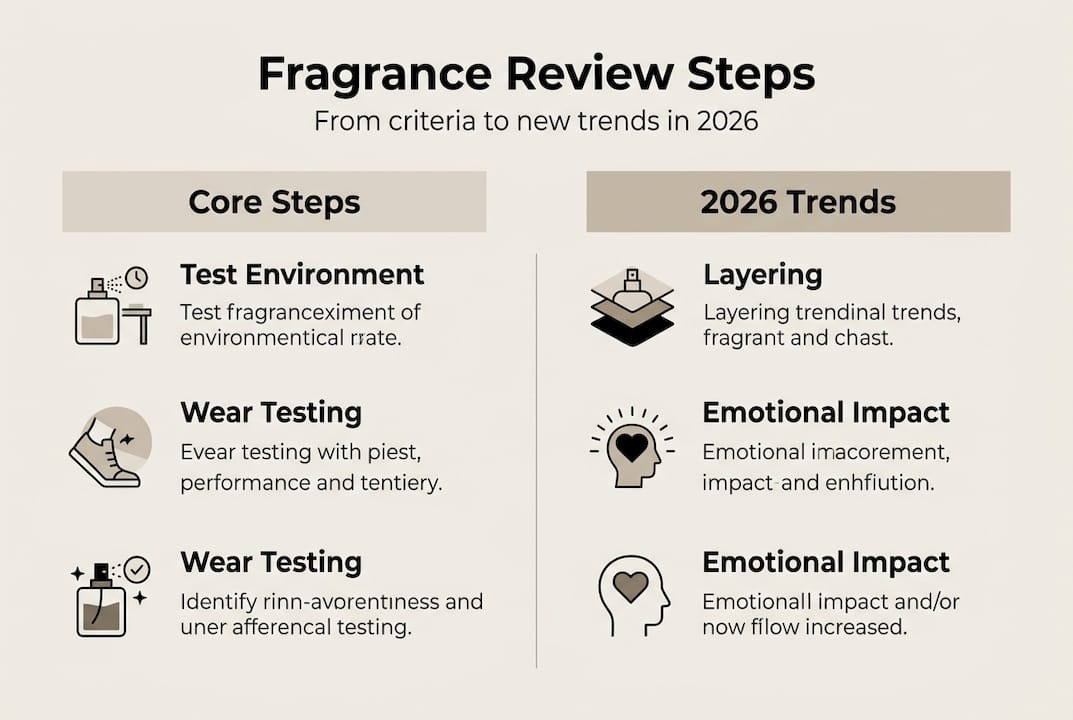
2026 trends include the rise of niche and indie scents, functional wellness fragrances, and layering as a mainstream practice. Each of these shifts how you approach a review.
Key trends reshaping the review process:
- Niche and indie perfumery: These releases often prioritise artistic intent over mass appeal. Reviewers need to assess originality and concept alongside traditional performance metrics.
- Layering formats: Many brands now release fragrances designed to be worn in combination. A single-fragrance review misses the intended experience entirely.
- Wellness and functional scents: These target mood, focus, or calm rather than pure aesthetic pleasure. Reviewing them requires an emotional and ritual impact score alongside standard criteria.
- Multi-format releases: The same fragrance may appear as an eau de parfum, a body mist, and a solid balm. Each format performs differently and deserves separate assessment.
This shift means reviewers now balance technical scoring with emotional and contextual response. A fragrance designed for meditation rituals should not be scored purely on projection distance.
Exploring fragrance layering techniques gives you practical tools for reviewing combination-wear formats accurately. For those building familiarity with the niche sector, niche fragrance profiles provides a useful starting point for understanding what distinguishes these releases from mainstream designer offerings.
Stat to note: The global niche perfume market is projected to grow significantly through 2026, with indie and artisan releases accounting for an increasing share of collector purchases. This growth directly increases the volume of non-traditional fragrances entering review queues.
Why traditional reviews miss the mark in 2026
Older review approaches were built for a simpler market. A reviewer would spray a fragrance, assess projection and longevity over a few hours, and assign a score. That method worked when most releases were straightforward designer scents with predictable structures.
Today, that approach is insufficient. Blotter-only tests ignore skin chemistry entirely. Short wear sessions miss the dry-down. And applying projection-focused scoring to a wellness mist designed for close-skin intimacy produces a meaningless result.
We believe the most accurate reviews in 2026 combine structured scoring with genuine flexibility. Emotional impact, ritual context, and format diversity are now legitimate review criteria, not soft extras. Fragrance collectors deserve reviews that reflect how they actually wear and experience scent.
Sampling before buying remains the most practical way to conduct honest, multi-wear reviews. Designer scent sampling gives collectors access to the full range of a fragrance house without the cost of multiple full bottles. The review process improves when you have enough product to test properly.
Find your next fragrance sampling experience
Applying a structured review process is far more effective when you have the right samples to work with. Rushing a review because you only have a small amount of fragrance left undermines every step covered in this guide.
At The Perfume Sampler, we offer 100% authentic fragrance decants in 2ml, 3ml, 5ml, and 10ml sizes. These are ideal for multi-day, multi-wear review testing. The benefits of decanting include cost savings, format flexibility, and the ability to test across seasons and occasions before committing to a full bottle. Browse our seasonal fragrance picks to find releases aligned with 2026 trends, including niche, wellness, and layering-focused options.
Frequently asked questions
How do I score fragrance projection accurately?
Projection is measured by scent detection distance and duration. Use a third-party tester standing at one and two metres for greater objectivity rather than self-assessing.
Why is full-day wear recommended for reviews?
Multiple wears and full-day testing are required for consistency because longevity, dry-down character, and projection all shift significantly over several hours.
How do niche fragrances affect review criteria in 2026?
2026 niche and indie trends require reviewers to add emotional impact, artistic intent, and format diversity to their standard criteria, as these releases prioritise experience over mass-market performance.
Can reviewer bias ever be fully eliminated?
Reviewer bias cannot be fully eliminated, but structured scoring systems and repeated testing across different conditions reduce its influence on the final result significantly.