
Discover types of fragrance samples for affordable trials
Choosing the right fragrance can feel overwhelming when you’re faced with hundreds of niche and designer options, each promising a unique olfactory experience. Sampling fragrances before committing to a full bottle saves you from costly blind purchases and disappointment. Various types of fragrance samples exist, from paper blotters to mini bottles and decants, each offering different trial experiences and price points. This guide will walk you through the essential criteria for evaluating samples, explore the most common types available, compare their accuracy and value, and share best practices for sampling luxury scents confidently.
Table of Contents
- Key takeaways
- How to evaluate fragrance samples before you buy
- Exploring common types of fragrance samples
- Comparing fragrance samples: accuracy, longevity, and cost
- Best practices for sampling niche and luxury fragrances
- Discover your signature scent with trusted fragrance samples
- FAQ
Key Takeaways
| Point | Details |
|---|---|
| Sample formats vary | Different formats such as standard vials, paper blotters and aerosol sprays offer distinct trial experiences, prices and practicalities. |
| Skin testing essential | Testing fragrances on your skin reveals the true scent evolution, driven by body chemistry and oils. |
| Longevity matters | To judge suitability for daily wear you should assess its performance from top notes to dry down over several hours. |
| Trustworthy sourcing | Counterfeit samples and poor storage can mislead you, so verify the retailer’s reputation and opt for authentic discovery sets or cautious decants. |
How to evaluate fragrance samples before you buy
Before diving into specific sample types, you need a clear framework for assessing which format suits your needs. The right sample depends on several factors that directly impact your trial experience and purchasing confidence.
First, consider scent accuracy. Paper blotters work for initial screening but cannot show how a fragrance evolves on your skin. Your body chemistry, skin pH, and natural oils interact with perfume molecules, creating a unique scent profile that differs from person to person. Skin-applied samples through sprays or vials give you the most realistic preview of how a fragrance will smell when you wear it daily.
Longevity matters equally. You want to experience the full fragrance journey from top notes through the dry down, which can take 6 to 8 hours. Smaller samples may only allow one or two wearings, whilst larger formats let you test the scent across different occasions, weather conditions, and times of day. This extended trial reveals whether a fragrance truly suits your lifestyle.
Cost versus trial duration presents a practical trade-off. Budget-conscious fragrance lovers often start with smaller, cheaper samples to eliminate obvious mismatches before investing in larger sizes for serious contenders. A 2ml sample might cost a few pounds but only provides two applications, whilst a 10ml decant offers 100 sprays at a higher upfront cost but better value per wearing.
Authenticity becomes critical when sampling luxury and niche fragrances. Counterfeit samples flood online marketplaces, and even legitimate decants can suffer from oxidation, contamination, or improper storage. Verify your source’s reputation and look for signs of quality control.
Pro Tip: Always test fragrances on your skin rather than relying solely on paper strips. Apply samples to pulse points like wrists and inner elbows, then evaluate the scent evolution over several hours to capture the complete fragrance story.
Exploring common types of fragrance samples
Fragrance samples come in diverse formats, each designed for specific trial scenarios and user preferences. Understanding these options helps you choose the most suitable sampling method for your exploration journey.
Standard vials represent the professional industry standard. These small glass containers with screw caps or dabber applicators typically hold 1ml to 2ml of fragrance. Perfume shops and department stores commonly distribute these free samples. You apply the liquid directly to your skin using the dabber or your finger. Vials preserve fragrance integrity well but require careful application to avoid overapplication or spillage.
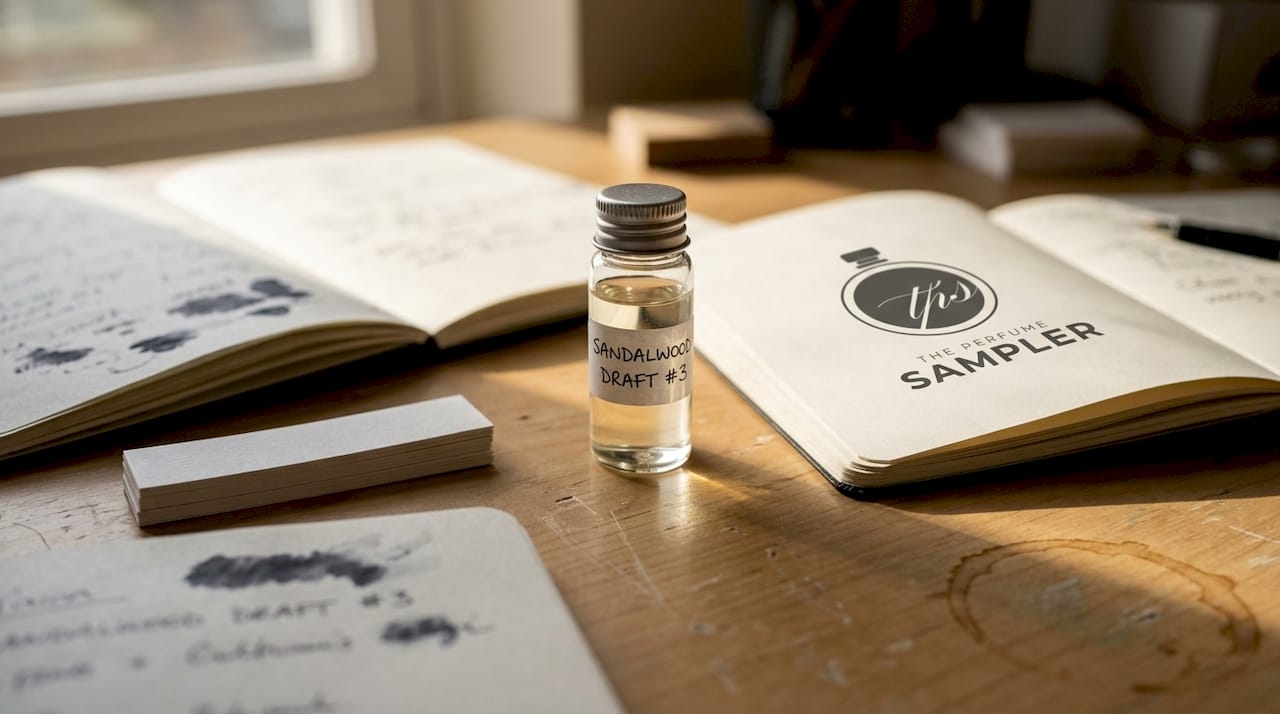
Paper blotters, also called scent strips, offer the quickest way to screen multiple fragrances. Retailers spray these absorbent paper cards and hand them to customers for immediate evaluation. They excel at helping you narrow down fragrance families and eliminate obvious dislikes before skin testing. However, paper cannot replicate the warmth and chemistry of human skin, making them unsuitable as your sole evaluation method.
Aerosol spray samples come in small atomiser bottles, typically 2ml to 5ml. These mimic the full bottle experience most accurately because the spray mechanism delivers fragrance exactly as intended by the perfumer. The fine mist distributes evenly across your skin, and you control the application amount easily. Aerosol samples cost more than vials but provide superior convenience and accuracy.
Mini bottles and discovery sets represent the premium sampling category. Brands package these as miniature versions of full bottles, often in sets of three to six fragrances. Discovery sets frequently include a voucher that credits your sample purchase toward a full bottle, making them economically attractive for serious buyers. The larger sizes, usually 5ml to 10ml, allow thorough testing over weeks.
Decants occupy a unique space in the sampling world. Independent sellers purchase full bottles and transfer the fragrance into smaller containers for resale. This practice makes expensive niche perfumes accessible at lower price points. Decants range from 2ml to 30ml and offer flexibility in sizing. However, the decanting process introduces risks around authenticity, contamination, and legal grey areas that require careful navigation.
Comparing fragrance samples: accuracy, longevity, and cost
A side-by-side comparison reveals the practical differences between sample types, helping you match your budget and testing needs with the right format.
| Sample type | Skin accuracy | Longevity testing | Typical size | Cost range | Best for |
|---|---|---|---|---|---|
| Paper blotters | Low | Poor | Single use | Free to £1 | Quick screening |
| Standard vials | Moderate | Limited | 1ml to 2ml | Free to £3 | Initial skin tests |
| Aerosol sprays | High | Good | 2ml to 5ml | £3 to £8 | Realistic trials |
| Mini bottles | Very high | Excellent | 5ml to 10ml | £8 to £25 | Extended testing |
| Discovery sets | Very high | Excellent | 3 to 6 samples | £25 to £60 | Brand exploration |
| Decants | Variable | Good | 2ml to 30ml | £5 to £40 | Flexible sizing |
Paper samples deliver low skin accuracy because they cannot interact with your body chemistry or warmth. You smell the fragrance in its raw state without the transformative effect of your skin’s natural oils and pH. Longevity testing proves nearly impossible since paper strips dry quickly and cannot sustain the scent evolution that occurs over hours on skin.
Aerosol sprays and vials with skin application provide significantly higher accuracy. The fragrance molecules mix with your skin’s chemistry exactly as they would from a full bottle. You experience the complete note progression from bright top notes through the heart and finally to the base notes that linger for hours. This authentic trial reduces the risk of buyer’s remorse dramatically.
Mini bottles and official discovery sets offer the gold standard for sampling. Their larger volumes support multiple wearings across different contexts, letting you judge how a fragrance performs in various temperatures, humidity levels, and social settings. The higher cost reflects this comprehensive trial capability and often includes purchase incentives.
Decants present a mixed picture. Quality varies based on the seller’s handling practices, storage conditions, and source authenticity. Reputable decanters use sterile equipment and proper bottles, delivering accuracy comparable to official samples. Questionable sellers may offer diluted, oxidised, or counterfeit fragrances that misrepresent the original scent.
Pro Tip: Calculate cost per wearing rather than absolute price when comparing samples. A £20 mini bottle offering 50 sprays costs 40p per wearing, whilst a £5 vial with 10 sprays costs 50p per wearing, making the larger size better value for serious evaluation.
Best practices for sampling niche and luxury fragrances
Sampling high-end perfumes requires strategic approaches to balance cost, authenticity, and trial quality. These expert recommendations help you navigate the luxury fragrance landscape confidently.
Official brand discovery sets represent your safest and most valuable option. Major fragrance houses offer curated sample collections that showcase their signature scents or new releases. These sets guarantee authenticity, proper storage, and often include vouchers crediting your sample purchase toward a full bottle. Brands like Tom Ford, Creed, and Maison Francis Kurkdjian regularly release discovery sets priced between £30 and £60, offering exceptional value when you factor in the purchase credit.
Decants help build a diverse fragrance wardrobe affordably, particularly for rare or discontinued scents. However, this market carries authenticity and legal risks that demand caution. Luxury brands increasingly challenge decanting operations, citing trademark infringement and quality control concerns. The first sale doctrine provides some legal protection for reselling genuine products, but brands argue that decanting creates new products rather than simply reselling existing ones.
Industry experts strongly recommend buying decants exclusively from established sellers with transparent sourcing and sterile decanting processes. Look for sellers who photograph their full bottles, use quality atomisers, and provide batch codes for verification. Avoid marketplace listings with stock photos, suspiciously low prices, or vague descriptions.
Storage practices significantly impact sample quality. Fragrance oxidises when exposed to air, light, and temperature fluctuations. Store your samples in a cool, dark place away from direct sunlight and heat sources. Keep caps tightly sealed between uses. Glass containers preserve scent better than plastic, which can interact with fragrance compounds over time.
Timing your sampling strategically improves evaluation accuracy. Test fragrances during neutral conditions when you are not wearing other scented products like strongly perfumed lotions or after heavily spiced meals. Apply samples in the morning when your sense of smell is sharpest. Give each fragrance at least three wearings across different days before making a purchase decision, as your perception can shift with mood, weather, and familiarity.
Consider building a sampling rotation rather than testing multiple fragrances simultaneously. Your nose fatigues quickly when overwhelmed with competing scents. Focus on one or two samples per week, giving each fragrance your full attention and allowing your olfactory system to reset between trials.
“The decanting market serves fragrance enthusiasts who want access to luxury scents without luxury prices, but buyers must exercise due diligence in verifying authenticity and quality to avoid disappointment and potential health risks from contaminated or counterfeit products.”
Pro Tip: Store samples in the original packaging or wrap them in aluminium foil to block light exposure. Keep a simple journal noting application date, weather conditions, and your impressions at different time intervals to track which fragrances perform best for you.
Discover your signature scent with trusted fragrance samples
Now that you understand the landscape of fragrance sampling, you are ready to explore luxury scents without the commitment or expense of full bottles. Finding your signature fragrance becomes an enjoyable journey rather than an expensive gamble when you have access to quality samples.
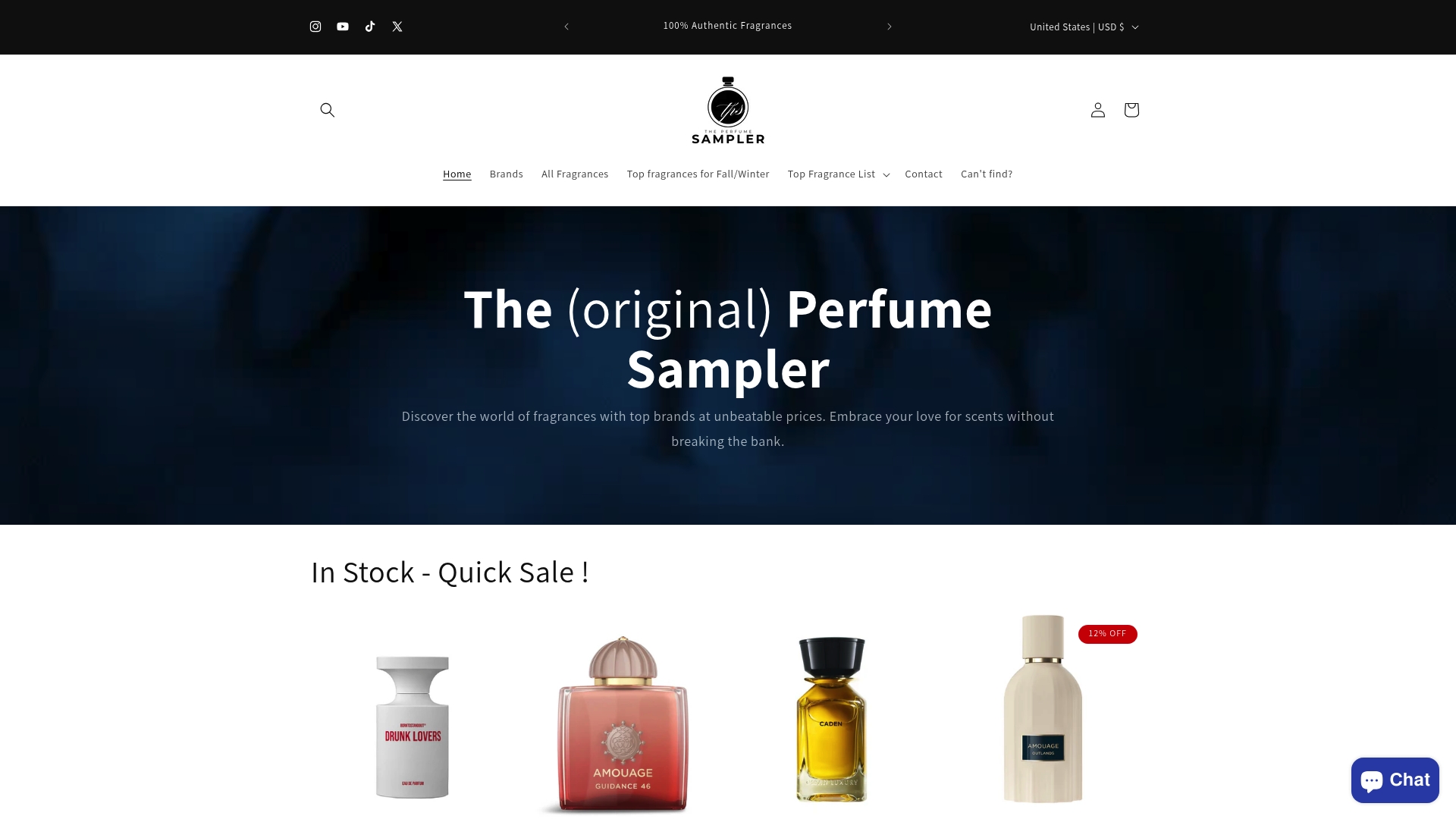
Our curated collection offers authentic niche and designer fragrance samples in convenient sizes from 2ml to 10ml, perfect for thorough testing before you invest in a full bottle. Each sample is carefully decanted using sterile processes and stored in optimal conditions to preserve the fragrance’s integrity. You can explore high-end scents from prestigious houses at accessible price points, building a diverse fragrance wardrobe that reflects your evolving tastes. We also stock full bottles of premium designer fragrances when you are ready to commit to your favourites. Browse our trusted fragrance samples and start your scent discovery journey with confidence today.
FAQ
What are the most popular types of fragrance samples?
The most widely used fragrance samples include standard vials with dabber applicators, mini spray bottles, paper scent blotters, aerosol sample sprays, and independently sold decants. Discovery sets have gained popularity amongst niche fragrance enthusiasts because they offer curated collections from specific brands, often with purchase credits toward full bottles. Each type serves different purposes, from quick screening with paper strips to extended trials with mini bottles.
How accurate are paper scent blotters compared to skin testing?
Paper blotters provide significantly lower accuracy than skin application because they cannot replicate your body chemistry’s interaction with fragrance molecules. Skin testing reveals how warmth, natural oils, and pH levels transform the scent over hours, creating your unique fragrance signature. Paper strips only show the fragrance in its raw state without the evolution of top, heart, and base notes that occurs on skin. Always confirm your impressions with skin application before purchasing.
Are decants legal and safe to buy for luxury perfumes?
Decants exist in legal grey areas with ongoing debates about trademark rights and first sale doctrine protections. Whilst purchasing decants is generally legal for personal use, quality and authenticity vary dramatically between sellers. Buy exclusively from reputable decanters who demonstrate transparent sourcing, use sterile equipment, and provide batch codes for verification. Avoid suspiciously cheap listings or sellers with vague product descriptions, as these often indicate counterfeit or degraded fragrances.
How many wearings can I expect from different sample sizes?
A 2ml sample typically provides 20 to 25 sprays, enough for 10 to 12 wearings with moderate application. A 5ml sample offers approximately 50 to 60 sprays or 25 to 30 wearings. A 10ml sample delivers around 100 to 120 sprays, supporting extended testing over several weeks. Actual spray counts vary based on atomiser design and your application habits. Larger samples provide better value per wearing and allow comprehensive evaluation across different seasons and occasions.
Should I test fragrances in store or order samples online?
Combining both approaches delivers the best results. Visit stores for initial screening using testers and paper blotters to narrow your options quickly. Then order samples of your top candidates for thorough at-home testing over multiple days. In-store testing often occurs in artificial lighting with competing scents and time pressure, whilst home testing lets you experience fragrances in your actual environment and daily routine. This two-stage process minimises costly mistakes whilst maximising your sampling efficiency.