

Explore unique fragrance profiles: niche and affordable sampling
The fragrance market has never been more crowded. With thousands of niche and designer releases launching every year, finding a truly distinctive scent profile can feel overwhelming. Most enthusiasts face the same problem: spending on a full bottle only to discover the fragrance does not suit them. Sampling solves this. By trialling 2ml, 3ml, 5ml, or 10ml decants, you can explore a wide range of profiles across multiple fragrance families before committing to a purchase. This guide covers how to identify unique profiles, highlights standout niche and designer options, and gives you a practical framework for choosing which scents to sample next.
Table of Contents
- How to identify a unique fragrance profile
- Niche perfume highlights: Standout profiles
- Designer scents: Affordable access to signature blends
- Choosing which unique profiles to sample
- Why sampling is the key to unlocking fragrance discovery
- Discover and sample unique scents with The Perfume Sampler
- Frequently asked questions
Key Takeaways
| Point | Details |
|---|---|
| Define uniqueness | A unique scent profile combines rare notes and creative blends from fragrance families. |
| Sampling is essential | Sampling allows you to try distinctive perfumes affordably before purchasing full bottles. |
| Niche and designer options | Both niche and designer houses offer unique options—exploring both widens your discovery. |
| Match profile to lifestyle | Choose profiles based on your taste, season, occasion, and how the scent evolves on your skin. |
How to identify a unique fragrance profile
A fragrance profile is the overall character of a scent, shaped by its notes, family classification, and the way those elements interact over time. Understanding what makes a profile distinctive helps you shop with more confidence and less guesswork.
Fragrance family classifications provide the starting point. The main families include:
- Floral: Rose, jasmine, peony. Often feminine and soft.
- Woody: Sandalwood, cedar, vetiver. Warm and grounding.
- Oriental: Amber, musk, resins. Rich and long-lasting.
- Gourmand: Vanilla, chocolate, caramel. Edible and sweet.
- Fresh/Citrus: Bergamot, lemon, green notes. Light and clean.
What makes a profile unique is usually the contrast between families. A fragrance that opens with sharp citrus and dries down into smoky incense is far more distinctive than one that stays linear throughout. Unexpected pairings, such as white florals meeting earthy papyrus, or chocolate blending with dry woods, signal creative formulation.
Fragrantica classifies scents by families and user reviews highlight nuanced blends, making it a useful resource for researching profiles before you buy. Reading community notes on how a fragrance evolves from top to base gives you a clearer picture than any marketing description.
Indicators of an innovative profile include:
- Contrasting note pairings that should not work but do
- Unusual base notes such as papyrus, oud, or castoreum
- Non-linear development where the scent changes significantly over several hours
- Limited use of synthetic fillers, which often flatten complexity
Pro Tip: Use types of fragrance samples to compare subtle nuances side by side. Wear one sample on each wrist and note how they evolve differently on your skin.
“I was not expecting the dry-down to be so different from the opening. It went from fresh and green to something almost resinous and smoky. That kind of complexity is rare.” — Fragrantica community review on a niche oriental blend.
Practising layering fragrances can also help you understand how individual notes interact, which sharpens your ability to identify what makes any given profile stand out.
With an understanding of how to spot unique profiles, let us look at standout examples from niche and designer houses.
Niche perfume highlights: Standout profiles
Niche perfumery is where the most distinctive profiles are found. These houses prioritise creativity over mass appeal, often using rare or unconventional ingredients.
Amouage Figment Woman is a strong example. It blends white florals with warm spices and papyrus, creating a profile that is simultaneously delicate and earthy. The contrast between the soft floral opening and the dry, almost ancient base is what makes it memorable.
Xerjoff Symphonium takes a different approach. It combines chocolate, orange, and cardamom into a gourmand blend that feels refined rather than sweet. The spice prevents it from becoming cloying, and the citrus keeps it from feeling heavy.
Other notable niche profiles worth exploring:
- Smoky woods: Vetiver-forward scents with birch tar or smoke accords
- Vegetal greens: Tomato leaf, fig, or cut grass combined with musk
- Dry incense: Frankincense or myrrh blended with mineral or metallic notes
| Fragrance | Family | Key notes | Uniqueness rating |
|---|---|---|---|
| Amouage Figment Woman | Floral/Oriental | White florals, spices, papyrus | 9/10 |
| Xerjoff Symphonium | Gourmand/Spicy | Chocolate, orange, cardamom | 9/10 |
| Smoky wood blend | Woody/Smoky | Vetiver, birch tar, cedar | 8/10 |
| Dry incense profile | Oriental/Aromatic | Frankincense, myrrh, mineral | 8/10 |
Pro Tip: Look for brands with limited production runs and unusual ingredient pairings. These are the houses most likely to produce profiles you will not find anywhere else. Explore top niche fragrances for women and niche fragrances for men for curated starting points.
Sampling before purchasing is especially important with niche perfumes. Full bottles often cost upwards of £200. Trying a 5ml or 10ml decant first is the practical approach. Designer scent sampling gives you a broader view of how different houses approach creativity.
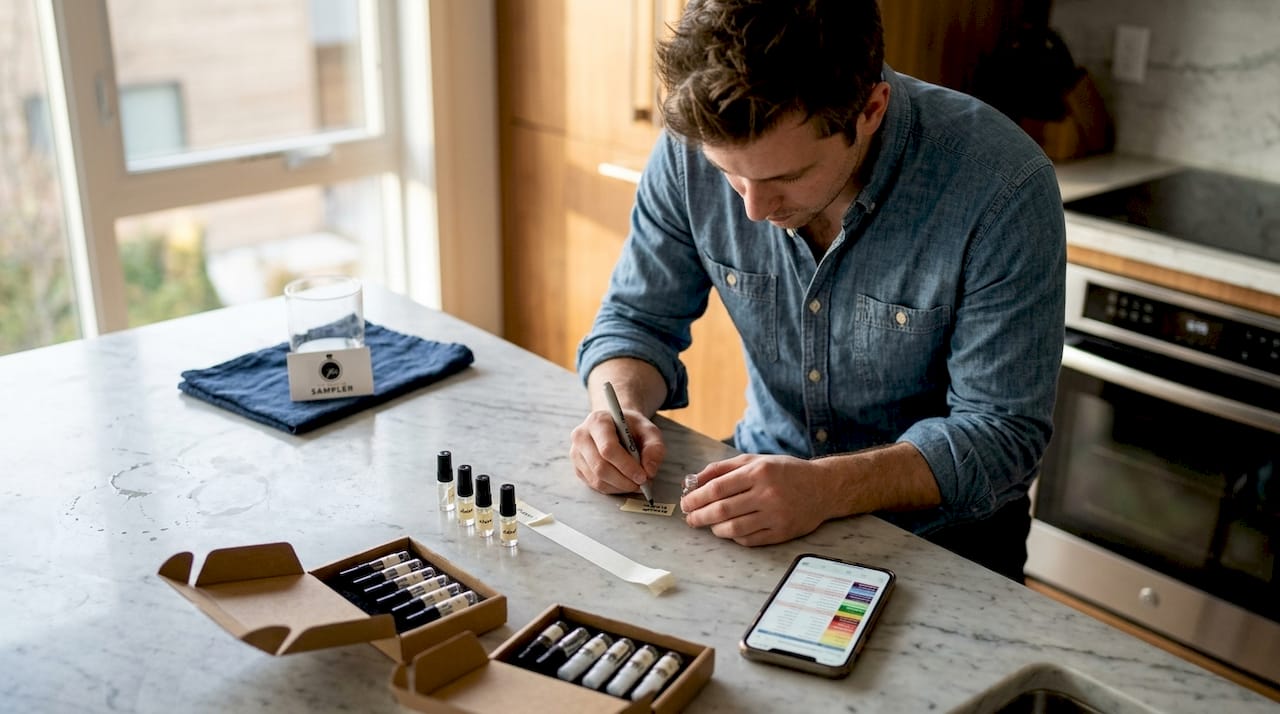
Niche perfumes showcase creativity, but designer houses also offer distinctive blends for those exploring affordable sampling options.
Designer scents: Affordable access to signature blends
Designer fragrances are more accessible in price, but the best ones still offer genuinely distinctive profiles. The key is knowing which releases stand apart from the standard crowd-pleasers.
Dior Sauvage Elixir is a strong example. It takes the familiar Sauvage DNA and pushes it into spicy amber territory, with licorice, cinnamon, and sandalwood creating a dense, concentrated profile. It projects well and lasts throughout the day.
Boss Bottled Absolu offers a gourmand take on the classic Boss Bottled structure. Apple, cinnamon, and vanilla sit over a woody base, making it warmer and more distinctive than the original. Fragrantica user reviews highlight nuanced blends and accessible options, confirming both as popular choices among enthusiasts.
Key designer profiles worth sampling:
- Spicy ambers: Warm, resinous, long-lasting. Ideal for cooler months.
- Citrus-woods: Fresh opening with a dry woody base. Versatile and clean.
- Gourmand blends: Sweet but structured, with spice preventing excess.
| Feature | Niche | Designer |
|---|---|---|
| Uniqueness | Very high | Moderate to high |
| Price (full bottle) | £150 to £400+ | £60 to £150 |
| Projection | Variable | Generally strong |
| Sampling availability | Widely available as decants | Widely available as decants |
Pro Tip: Use layered sampling to create a designer-to-niche transition. Wear a designer scent one week and a niche equivalent the next. This helps you understand what the extra investment in niche actually delivers. Understanding perfume projection also helps you assess value, since a stronger projecting scent often requires less product per wear.
For affordable scent sampling, decants in 2ml to 10ml sizes give you enough product to assess both projection and longevity across multiple wears.
Understanding signature blends in niche and designer perfumes sets the stage for comparing profiles and deciding which to sample next.
Choosing which unique profiles to sample
With so many options available, having a clear process for narrowing your choices saves time and money. Follow these steps:
- Define your taste preferences. Identify which fragrance families you already enjoy. If you wear woody scents regularly, explore niche woody profiles before branching into orientals.
- Consider the season. Heavy gourmands and orientals perform better in autumn and winter. Fresh and citrus-forward profiles suit spring and summer.
- Match the occasion. Office-appropriate scents differ from evening wear. Projection and intensity matter here.
- Assess projection needs. If you want a scent that announces your presence, prioritise high-projection profiles. For close-to-skin wear, look for softer bases.
Additional factors to weigh:
- Price point: Niche decants cost more per ml but allow access to expensive bottles at low risk.
- Rarity: Limited-edition releases are worth sampling quickly. Explore limited-edition fragrance sampling for guidance on tracking these down.
- Complexity: If you want a fragrance that evolves over hours, prioritise multi-note profiles with distinct top, heart, and base phases.
Sampling vials allow risk-free exploration across a wide variety without financial commitment, which is why a significant proportion of fragrance enthusiasts now trial before they buy. The shift towards sampling reflects a broader awareness that skin chemistry affects how a fragrance smells on each individual.
Pro Tip: Keep a small notebook or use a notes app to record your impressions immediately after application, then again at the two-hour and six-hour marks. Revisiting older samples after a few months also gives you a more mature perspective on how a profile sits with you. For sweet profiles specifically, the gourmand fragrance guide offers useful context on how these scents evolve.
With practical selection criteria and sampling tools in hand, let us consider how these insights fit into the broader quest for fragrance discovery.
Why sampling is the key to unlocking fragrance discovery
Most fragrance enthusiasts make the same early mistake: buying a full bottle based on a brief in-store spray. The counter environment, the blotter paper, the sales pressure — none of it reflects how a scent actually performs in your daily life. Sampling corrects this.
True scent discovery happens gradually, not at the counter, but in everyday life. You wear a sample to work, to dinner, in different weather. You notice how it changes. That process cannot happen with a single spray.
The practical wisdom here is straightforward. Avoid buying based on hype. A fragrance that dominates online forums may not suit your skin chemistry or lifestyle at all. Focus instead on how a scent evolves in your own context. Perfume performance factors such as skin type, humidity, and body temperature all influence the final result.
Pro Tip: Revisit samples you dismissed initially. Fragrance appreciation develops over time, and a profile that felt too complex or unusual at first often becomes a favourite after repeated exposure.
Sampling is not just a cost-saving measure. It is the most reliable method for building a fragrance wardrobe that genuinely reflects your preferences.
Discover and sample unique scents with The Perfume Sampler
For those ready to start sampling, The Perfume Sampler provides direct access to standout scent profiles from both niche and designer houses. Decants are available in 2ml, 3ml, 5ml, and 10ml sizes, making it straightforward to trial multiple options without overspending.
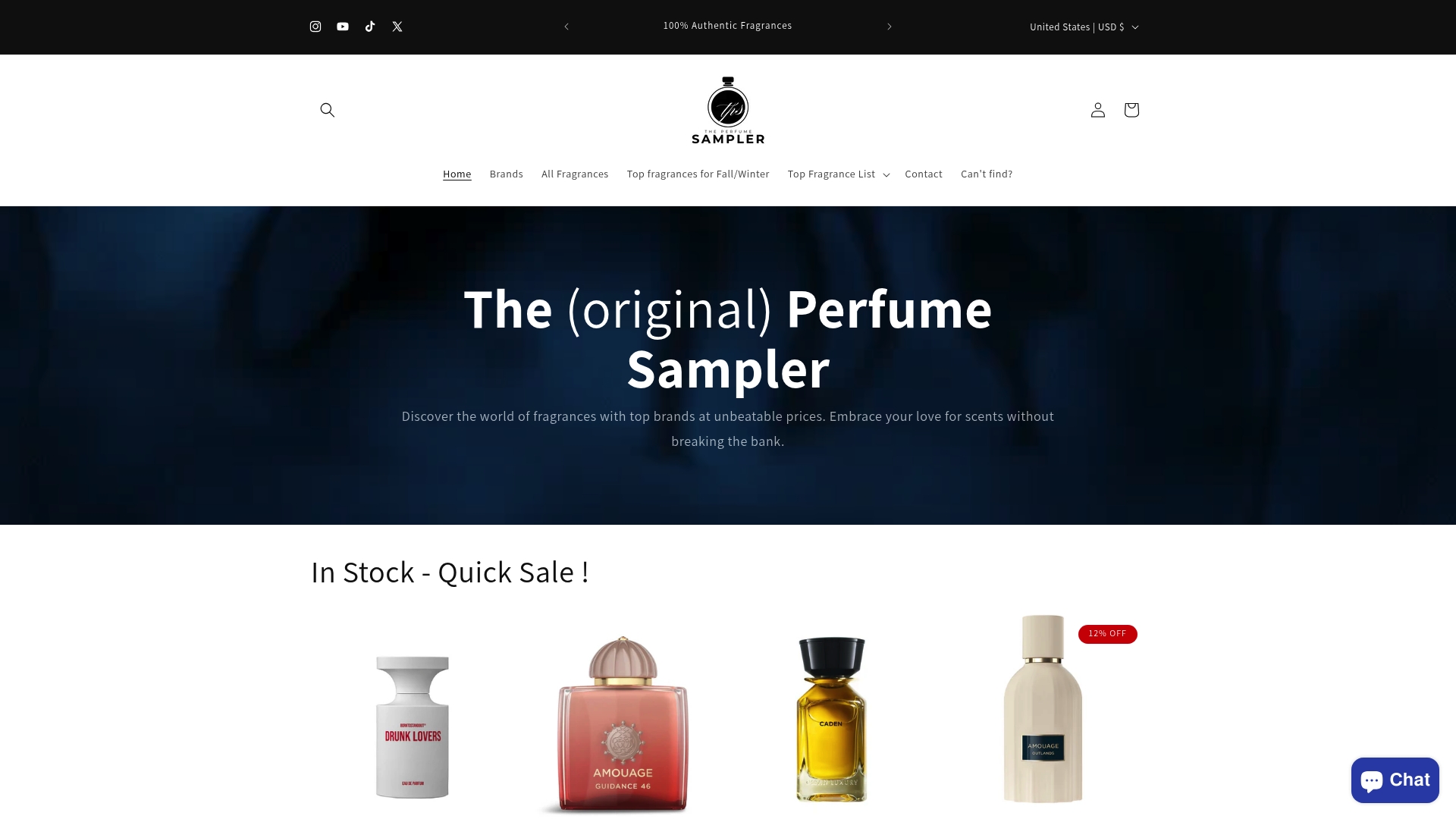
The benefits of decants are clear: 100% authentic product, lower financial risk, and the ability to compare profiles across multiple wears. You can sample Dior Sauvage Elixir or sample Boss Bottled Absolu directly from the site, alongside a wide range of niche options. All products are genuine and dispatched promptly. It is a practical, reliable way to explore unique fragrance profiles before committing to a full bottle.
Frequently asked questions
What is a unique fragrance profile?
A unique fragrance profile blends unusual combinations of scent families and notes, often found in niche perfumes or innovative designer blends. Fragrantica classifies by families and user reviews highlight nuanced blends that help identify what makes a profile stand out.
How do I sample niche and designer perfumes affordably?
You can purchase sample vials or decants in sizes from 2ml to 10ml, which let you trial multiple scents without investing in full bottles. Sampling vials allow risk-free exploration across a wide variety of profiles.
Why are niche perfumes considered more unique?
Niche perfumes often experiment with rare ingredients and unconventional blends, making their profiles distinct and complex. Examples such as Amouage Figment Woman demonstrate how unusual note combinations create genuinely memorable profiles.
How can I decide which fragrance profile is right for me?
Consider your taste preferences, the occasion, and the season, then test profiles using samples to find what evolves best on your skin. Sampling vials make this process practical and affordable without requiring a full-bottle commitment.
Recommended
- Discover fragrance houses: Sampling designer scents affordably – ThePerfumeSampler
- Discover types of fragrance samples for affordable trials – ThePerfumeSampler
- Limited edition fragrances: your guide to affordable exploration – ThePerfumeSampler
- How to layer fragrances for a unique signature scent – ThePerfumeSampler
- 7 Affordable Finds: Cheap Niche Fragrances You Need