
Stop Wasting Money: Avoid Blind Buys With 2–10ml Decants
Avoid full-bottle blind buys wherever possible: sample the fragrance first. If you genuinely cannot sample it, cap your spend, choose the smallest bottle size on offer, and only buy from a seller with a clear returns policy. That single rule removes most of the financial risk from an untested purchase.
TL;DR:
- Testing with small samples, decants, or discovery sets before buying full bottles minimizes the risk of disappointment from skin chemistry and performance differences.
- High-risk notes like oud, gourmand, or animalic ingredients should be sampled first, as they tend to produce polarizing reactions and often vary greatly in different environments.
- A structured four-axis scoring system and pattern recognition in reviews help identify longevity issues and synthetic edges that may make a fragrance unpleasant or unsuitable.
- Buying from reputable sellers with clear return policies and verifying authenticity reduces the chance of costly counterfeit or misrepresented products.
- Building a balanced fragrance wardrobe around reliable scent families reduces impulsive blind buys and encourages thoughtful, need-based purchases.
Table of Contents
- Why blind buys often fail: skin, performance and polarising notes
- Step-by-step checklist to avoid blind buys
- When blind buys can be acceptable
- How to test: samples, decants and what actually reveals wear time
- Retailer checks and what to do if a blind buy goes wrong
- Why tester bottles and in-store tryouts still matter
- How weather and skin type change the way a fragrance wears
- Building a fragrance wardrobe instead of chasing single bottles
- A buyer’s honest take on where blind buys go wrong
- Sample before you commit with Theperfumesampler
- Sources
- FAQ
Why blind buys often fail: skin, performance and polarising notes
The same fragrance rarely smells identical on two different people. Skin pH, natural oils, and even diet alter how a scent’s molecules evolve, which is why a bottle your friend raves about can turn flat or synthetic on you within an hour. This is skin chemistry at work, and no amount of reading reviews changes it.
Performance is the second failure point. Projection, longevity, and how a scent behaves in heat, cold, or humidity vary far more than most marketing copy admits. A fragrance that lasts eight hours in a shop’s air conditioning might vanish in ninety minutes on a warm commute.
Then there are the notes themselves. Oud, heavy gourmands, and animalic materials like civet or castoreum tend to split opinion sharply. Specialist guides consistently flag these as high-risk categories for anyone buying without testing first. Hype makes this worse: a viral fragrance can rack up glowing reviews from people whose skin and taste have nothing in common with yours, which masks how personal fit really is.
Step-by-step checklist to avoid blind buys
Cutting blind-buy regret down to almost nothing takes a short, repeatable routine. Run through this before you commit to any untested bottle.
- Apply a 24 to 48 hour pause. Add the fragrance to a wishlist and walk away. Financial behaviour research backs a short cooling-off period as one of the most effective brakes on impulse spending.
- Run a HALT check. Ask whether you’re hungry, angry, lonely, or tired. Any one of those states pushes people towards purchases they regret within days.
- Set a blind-buy ceiling. Decide your maximum price and bottle size before you browse, not after you’ve fallen for the packaging.
- Score it on four axes. Rate family fit, note risk, performance fit, and purchase protection. This scoring method, outlined by fragrance risk specialists, turns a vague hunch into a decision you can defend.
- Read reviews for patterns, not praise. Look for repeated mentions of weak longevity, cloying sweetness, or a scratchy synthetic edge in the drydown, since these recurring complaints matter far more than a high star average.
- Choose the smallest format available. A decant or discovery set gives you the real answer for a fraction of the outlay.
Pro Tip: Keep a simple note on your phone listing fragrances you’ve disliked and why. Patterns emerge fast, and that shortlist stops you repeating the same mistake with a different bottle six months later.
When blind buys can be acceptable
Blind buying is not always reckless. It becomes a reasonable risk in a handful of specific situations.
- You already know the house’s style and this is a flanker or close cousin of a fragrance you own and love.
- You’re buying an affordable designer crowd-pleaser in a broadly safe family, such as a clean musk or a light citrus.
- You’re buying a small size, a travel spray, or a decant rather than a full 100ml bottle.
- The bottle is rare, discontinued, or otherwise impossible to sample, and you’ve accepted that as the trade-off.
Outside of those cases, treat sampling as the default rather than the exception.
How to test: samples, decants and what actually reveals wear time
A blotter strip tells you almost nothing about how a fragrance will behave on you. Run a proper three-stage test instead: blotter first for a rough shape of the scent, then a small skin patch to see how your chemistry changes it, then a full day of wear to judge projection and longevity in real conditions like weather, layered clothing, and stress.
Decants and 2ml to 10ml samples exist precisely to make that third stage affordable. You get the actual drydown, the actual eight-hour arc, without paying for a bottle you might use twice.
Buying decants safely does mean watching for warning signs, though:
- No clear chain of custody or seller identity behind the listing.
- Prices so low they don’t cover the cost of the original bottle per millilitre.
- Vague or copied product descriptions with no batch or sourcing detail.
Theperfumesampler sells fragrance in exactly this format, from 2ml up to 10ml, alongside curated bundles and a chain-of-custody checklist built for readers who want to verify a decant before they pay for it.
Pro Tip: Test on both wrists on different days if you’re deciding between two similar fragrances. Skin chemistry can even shift slightly with your diet and hydration, so one bad wear-test day isn’t always the fragrance’s fault.
Retailer checks and what to do if a blind buy goes wrong
Before paying, check whether the seller accepts returns on opened bottles and who covers return postage. FTC guidance on online shopping recommends keeping records of every purchase and avoiding sellers who push payment methods with no buyer protection, such as bank transfers or gift cards.
Verify authenticity cues on packaging, batch codes, and cellophane wrapping, and steer clear of listings with blurry photos or mismatched fonts, a common counterfeit tell explored in this guide to spotting fake perfume. Paying by credit card gives you a dispute route if the item never arrives or is clearly not authentic.
If the fragrance simply isn’t for you and no return is possible:
- Resell it through a reputable fragrance-swap community.
- Trade it for something better suited to your taste.
- Repurpose it as a home fragrance or gift for someone whose taste it does suit.
- Note down exactly what went wrong, so the next purchase decision is sharper.
Why tester bottles and in-store tryouts still matter
Online reviews and social clips are useful for narrowing a shortlist, but nothing replaces standing in front of an actual tester. A shop tester lets you check the fragrance’s opening, its heart notes an hour later, and how it settles against your own skin, all in one visit and at no cost.
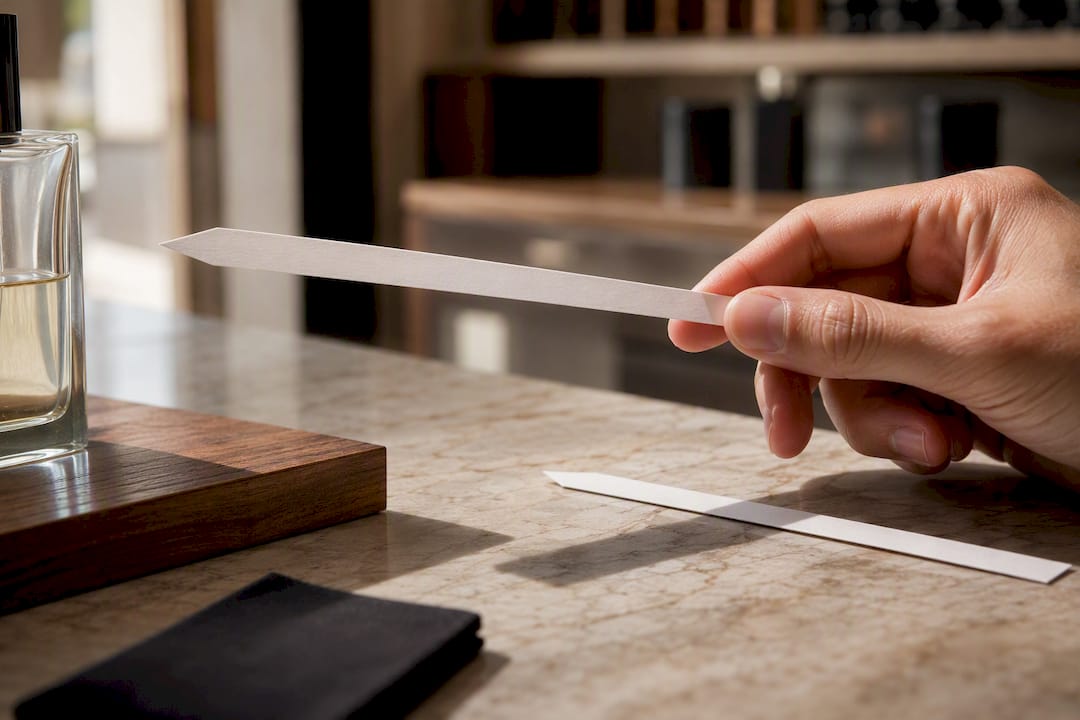
In-store tryouts also expose problems no photo or review can. You might discover the atomiser sprays unevenly, that the scent trail is far stronger than expected, or that a note marketed as “soft vanilla” reads as sharp and synthetic on you specifically. That gap between marketing language and lived experience is exactly what blind buying skips over.
Testers are also where you catch batch variation. Perfume houses do shift formulas over time, sometimes for cost reasons, sometimes due to ingredient restrictions, and a tester in-store reflects current stock in a way an old review from three years ago cannot. If a physical tester genuinely isn’t accessible, a small decant is the next best substitute, since it gives you several days of real wear rather than one rushed spray at a counter.
Treat the in-store visit as data gathering rather than a buying trip. Spray, wait, walk around the shop for twenty minutes, then decide if it’s still worth pursuing as a sample or a full bottle later.
How weather and skin type change the way a fragrance wears
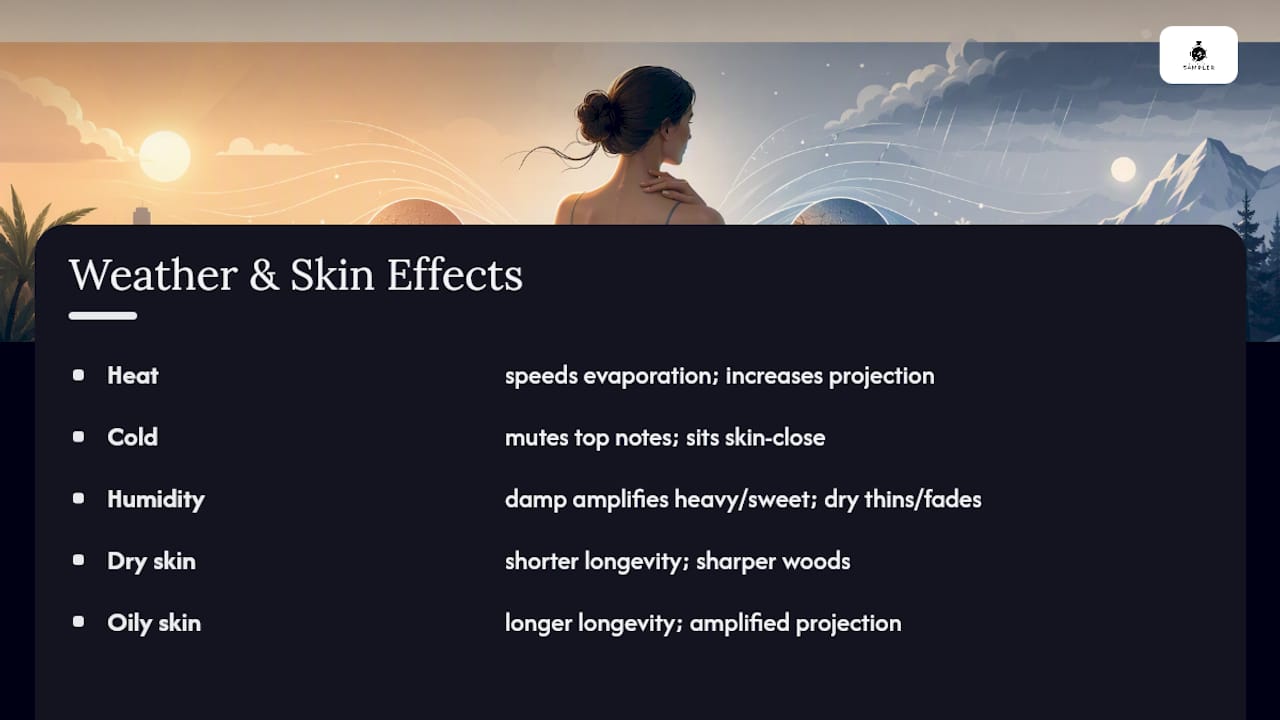
Temperature has a direct effect on how fragrance molecules evaporate. Heat speeds up projection, which is why a scent that felt subtle in a cool shop can suddenly feel loud on a warm afternoon. Cold weather does the opposite, muting top notes and making a fragrance stay closer to the skin.
Humidity plays a similar role. Damp air tends to amplify heavier, sweeter notes, while dry air can make a scent fade faster and read thinner than it did on the sales floor. This is one of the most overlooked reasons a fragrance that impressed you in one season disappoints in another.
Skin type matters just as much as climate. Drier skin generally holds fragrance for a shorter time and can make woody or musky notes feel sharper, while oilier skin tends to amplify and extend a scent’s overall performance. Neither is better, but the difference explains why two people wearing the same bottle report completely different longevity.
This is precisely why a single blotter test or a single warm-weather try-on cannot fully predict how a fragrance behaves for you. A proper test across at least one warm day and one cooler day gives a far more honest picture, and it’s another reason small samples are worth the modest outlay before committing to a full bottle.
Building a fragrance wardrobe instead of chasing single bottles
A collection built around variety rather than volume solves the blind-buy problem at the root. Once you own a reliable citrus for daytime, a warm woody for evenings, and a safe signature scent for work, the pressure to impulsively buy every new release drops sharply, because you’re no longer shopping from a gap.
Start by auditing what you already reach for most, then identify the actual gaps, whether that’s a summer scent, a colder-weather option, or something for formal occasions. Buying to fill a genuine gap produces far less regret than buying because a bottle looked appealing online.
Sampling before adding anything new keeps the wardrobe intentional rather than accidental. A full-bottle-versus-sample comparison is worth running every time you’re tempted, since it forces the question of whether you actually need a 100ml bottle or whether a 10ml decant would answer the question just as well for a fraction of the price.
Rotating between a small number of well-chosen fragrances also extends how long each one lasts you, which quietly reduces the total number of purchases you make in a year.
A buyer’s honest take on where blind buys go wrong
Years spent testing, swapping, and occasionally regretting fragrance purchases teach you one thing fast: the mistakes are rarely about taste. They’re about timing and testing, or the lack of it.
A blind buy years ago based purely on a glowing online description turned out heavy and synthetic within two hours on my skin, nothing like the drydown described. The fix wasn’t better research. It was a simple rule: nothing goes in the basket untested unless it’s under a set price ceiling. That one change did more than any amount of extra reading ever did.
— Rupesh
Sample before you commit with Theperfumesampler
Some retailers specialize in selling fragrance samples in small sizes such as 2ml, 3ml, 5ml, or 10ml, allowing customers to test scents thoroughly before committing to a full bottle, often saving money and reducing risk.
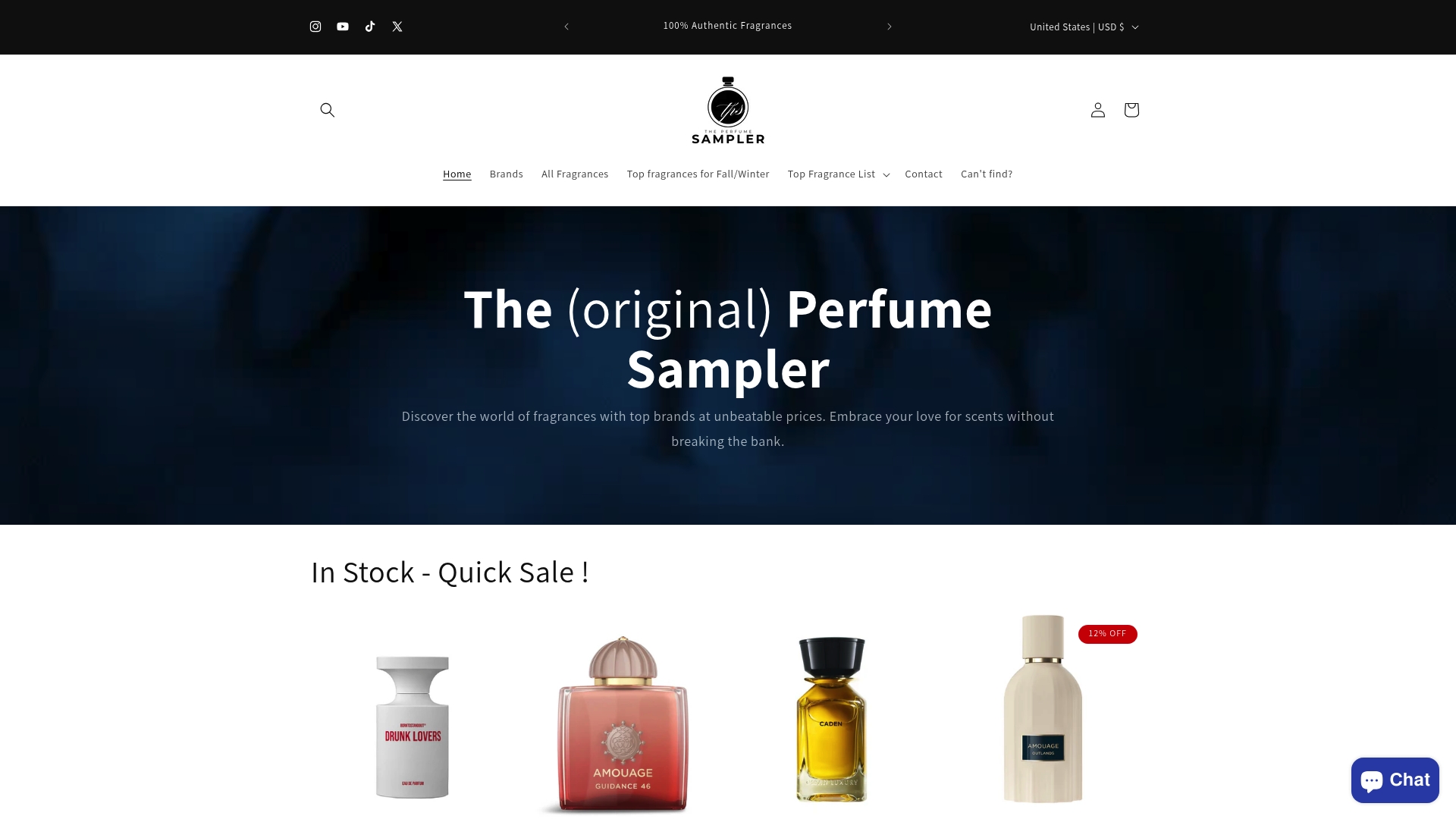
The path is simple. Order a sample or a curated bundle, wear it properly across a couple of different days and conditions, and only then decide whether it earns a place in your collection. If it does, moving up to a full bottle is a straightforward next step rather than a leap of faith. Curious why decants make more sense than a blind buy in the first place? The case for decants lays out exactly how the sizing and cost work in your favour. Browse the full fragrance range and start with whatever you’ve been most tempted to blind buy this month.
Sources
For more on consumer protections when buying online, the FTC’s online shopping guidance covers returns, records, and payment safety in detail. For fragrance-specific sampling strategy, Theperfumesampler’s guide to sample sizes explains why testing small pays off before buying big.
- Online shopping
- Should I buy it? A handy guide for shopping mindfully
- Blind Buying Perfume: Risks & Mitigation (2026 Guide) | WhatScent
- How to Blind Buy Perfume Safely: Notes, Reviews, Samples and Risk Control
FAQ
What are the safest fragrances to blind buy?
The safest blind buys sit within a scent family you already know suits you, such as a clean musk, a light citrus, or a flanker of a fragrance you already own. Anything featuring oud, heavy gourmand notes, or strong animalics carries far higher risk and is worth sampling first.
What is the 5 spray rule?
There’s no single agreed definition of a “5 spray rule” in fragrance testing, so treat any claim of a fixed number as informal advice rather than an established standard. The more reliable approach is testing across a full day of wear rather than counting sprays.
Can perfume cause thyroid problems?
There’s no established link between wearing perfume and thyroid problems, and this isn’t a topic this article’s sourcing covers. If you have specific health concerns about fragrance ingredients, that question is better directed to a doctor or dermatologist.
Which scent drives men crazy?
There’s no reliable, universal answer to this, since attraction to scent is shaped by individual chemistry and personal preference rather than any single fragrance. This is exactly why sampling before committing to a full bottle matters more than chasing a claim about one “best” scent.
How do I avoid blind buys without missing out on new releases?
Set a price ceiling and always check for a sample or decant size before the full bottle. Many specialized fragrance sellers offer new and popular releases in small sizes, such as 2ml to 10ml, to facilitate trying before committing to a full bottle.
What should I do if a blind-buy fragrance disappoints me?
Check the seller’s return policy first, since some accept lightly used bottles within a set window. If a return isn’t possible, resell or swap it through a fragrance community, and use the experience to tighten your buying checklist next time.