
Why try multiple scents affordably: a practical guide
TL;DR:
- Sampling multiple fragrances in small, affordable portions reduces the risk of purchasing an unsuitable full bottle.
- Decants, discovery kits, and subscription services offer flexible options for exploring scents without overspending.
Trying multiple scents affordably is defined as sampling various fragrances in small, cost-effective portions before committing to a full bottle purchase. This approach is the smartest way to build a personalised fragrance wardrobe without financial risk. Sampling 6–12 fragrances costs roughly the same as one full bottle, reducing your discovery cost by up to 80–90%. That figure alone makes the case for exploring multiple fragrances on a budget rather than guessing at the counter. The industry term for this practice is fragrance sampling, and it covers everything from decants to curated discovery kits.
Why try multiple scents affordably: the core methods
Fragrance sampling falls into three practical categories, each suited to a different type of buyer.
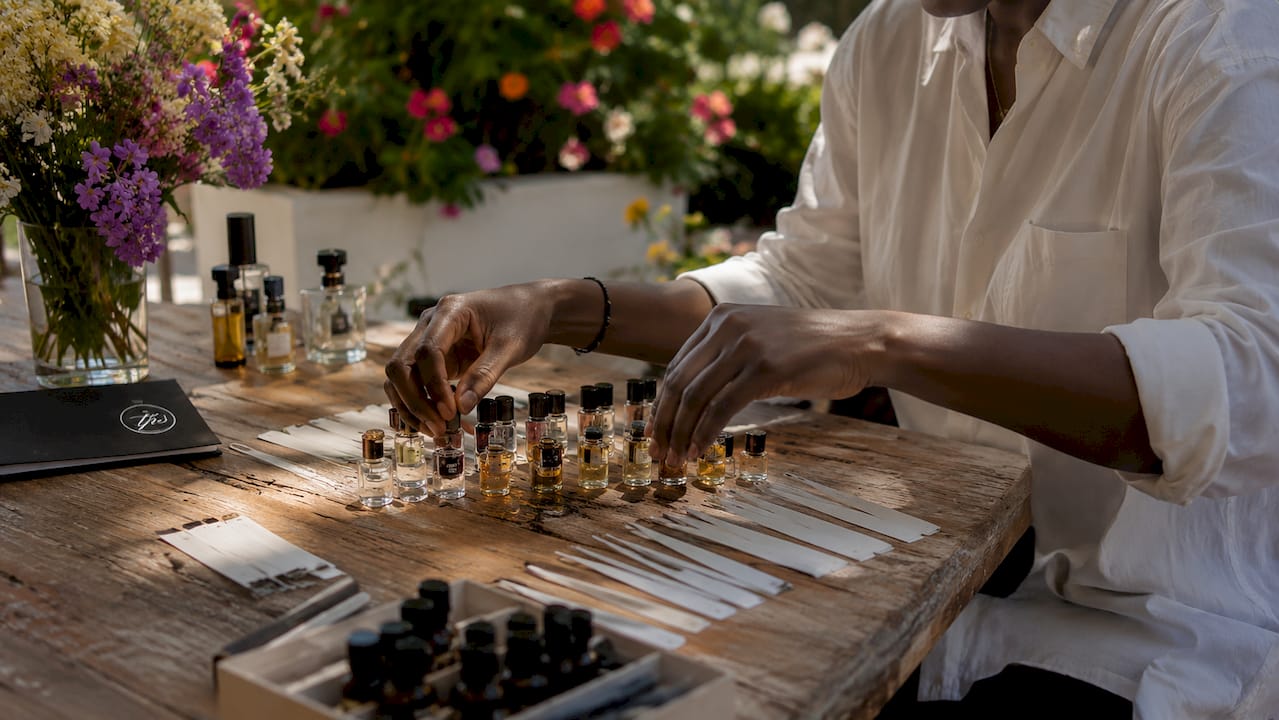
Discovery kits and curated sample sets are pre-selected collections of 5–12 fragrances from a single brand or across multiple houses. They typically cost £15–£50 and give you enough product for several full-day wears per scent. They suit buyers who want a structured introduction to a new house or scent family.
Decants are the most flexible option. A decant is a smaller volume, usually 2ml, 3ml, 5ml, or 10ml, transferred from a full bottle into a spray vial. Decants reduce upfront risk and avoid wasted fragrance when a scent does not suit you. They cost more per millilitre than a full bottle, due to bottling costs, but the total spend is far lower. Theperfumesampler sells decants across all four of those sizes for niche and designer fragrances.
Subscription services send 1–3 sprays of curated fragrances each month, typically priced at £10–£35 per box. They are useful for beginners exploring broadly but provide too little product for thorough evaluation of longevity and dry-down.
Here is a quick comparison of the three methods:
| Method | Typical cost | Volume per scent | Best for |
|---|---|---|---|
| Discovery kit | £15–£50 | 1–2ml per sample | Structured exploration |
| Decant | £5–£25 | 2–10ml | Detailed testing before buying |
| Subscription box | £10–£35/month | 1–3 sprays | Broad, ongoing discovery |
- Discovery kits give variety in one purchase.
- Decants give the most control over which specific fragrance you test.
- Subscriptions suit those who prefer surprise and ongoing rotation.
Pro Tip: Order a decant before any full bottle purchase. A 5ml decant gives you enough product for 5–7 full-day wears, which is the minimum needed to judge a fragrance properly.
How does sampling prevent olfactory fatigue?
Olfactory fatigue is the technical term for nose blindness. It occurs when you wear the same scent daily and your brain stops registering it. Wearing the same scent daily leads to olfactory fatigue, causing you to overspray and waste product. This is not a minor inconvenience. It means you spend more on a fragrance you can no longer smell on yourself.
Rotating contrasting scents every few days is the most effective way to keep your nose sensitive. A typical rotation of 3–5 varied fragrances prevents nose blindness and maximises scent enjoyment. Experts advise choosing fragrances from different scent families, such as pairing a woody oriental with a fresh citrus, to give your olfactory system genuine contrast.
The benefits of trying different fragrances extend beyond avoiding fatigue. Rotating scents keeps each one feeling special and distinct. You also use less of each bottle, which stretches your budget further.
- Rotate between at least 3 scents to prevent nose blindness.
- Choose fragrances from contrasting families, for example, floral, woody, and aquatic.
- Allow 2–3 days between wearing the same fragrance.
- Affordable sampling lets you build this rotation without buying full bottles of each.
Scent is also a tool for self-expression and mood setting, not a fixed identity. Sampling multiple scents gives you the vocabulary to match a fragrance to an occasion, a season, or a feeling.
How to build a fragrance wardrobe on a budget
Building a fragrance wardrobe means selecting a set of fragrances for different occasions and moods, rather than relying on a single signature scent. Moving away from one signature scent towards a curated collection is the modern approach to personal fragrance. Experts advise choosing 5–6 distinct fragrances to keep the experience fresh across seasons and settings.
Samples and decants make this achievable without a large upfront spend. The process works best when you follow a clear protocol.
- Select samples by occasion. Choose at least one fragrance for daytime, one for evenings, and one for each season you want to cover. This gives your wardrobe structure from the start.
- Wear each sample on skin, not paper. Paper strips do not show longevity or true skin chemistry effects. A strip test at a counter tells you almost nothing useful about how a fragrance will perform on you.
- Test each scent for a full day. One full-day wear is the minimum for evaluation. You need to experience the top notes, heart, and dry-down before forming any judgement.
- Repeat the test over 3–5 days. Testing each fragrance on skin for 3–5 days over several weeks is the standard for assessing stability and compatibility. A fragrance that smells perfect on day one may feel wrong by day three.
- Track your reactions. Keep a simple note on your phone with the fragrance name, the date you wore it, and your honest reaction. This removes guesswork when you are ready to buy a full bottle.
- Transition to a full bottle only after passing the test. If a fragrance still excites you after five wears, it earns its place in your wardrobe. If not, you have lost only the cost of a decant.
Pro Tip: Use the ranking method to score each sample out of ten after every wear. A fragrance that scores 8 or above consistently is worth the full bottle investment.
What practical tips maximise value when exploring scents on a budget?
Cost-effective ways to test scents require a small amount of planning. Without a budget, it is easy to accumulate samples you never finish or buy full bottles you regret.
- Set a monthly sampling budget. A monthly budget of £15–£35 for sampling supports continuous discovery without overspending. Treat it as a fixed line in your personal budget, the same way you would a streaming subscription.
- Prioritise decants over subscription boxes when testing specific fragrances. Subscriptions are good for broad exploration. Decants are better when you already know which fragrance you want to evaluate before buying.
- Test no more than two new scents per week. Testing too many simultaneously confuses your olfactory memory and makes accurate comparison impossible.
- Check how scent interacts with your skin chemistry. Fragrance behaves differently on different skin types. A scent that smells rich and warm on one person can turn flat on another. Skin testing is non-negotiable.
- Consider how scent supports your wider routine. Research shows that scent in skincare and personal care affects well-being, which means the fragrances you choose carry more weight than aesthetics alone.
Pro Tip: When you find a fragrance you love in sample form, check whether Theperfumesampler offers a larger decant size before committing to a full bottle. A 10ml decant bridges the gap between sampling and buying.
Key takeaways
Sampling multiple fragrances in small volumes is the most cost-effective way to build a fragrance wardrobe, avoid olfactory fatigue, and make confident full-bottle purchases.
| Point | Details |
|---|---|
| Sampling cuts discovery cost | Testing 6–12 fragrances via samples costs roughly the same as one full bottle. |
| Decants offer the most control | Sizes of 2ml–10ml give enough product for proper multi-day skin testing. |
| Rotation prevents nose blindness | A 3–5 scent rotation keeps your olfactory system sensitive and each fragrance feeling fresh. |
| Skin testing is non-negotiable | Paper strips do not reveal longevity or skin chemistry; always test on skin for at least one full day. |
| Budget discipline protects value | A monthly sampling budget of £15–£35 supports ongoing discovery without wasted spend. |
Rupesh’s take: why I stopped buying blind
I spent years buying full bottles based on a single spray at a counter. The result was a shelf of expensive fragrances I wore twice. The shift to sampling changed that completely, not because I became more cautious, but because I became more informed.
What surprised me most was how differently a fragrance performs after three or four wears. A scent that felt fresh and exciting on day one can feel flat or cloying by day four. You only discover that through repeated skin testing, which a counter spray simply cannot replicate. Samples and decants give you that time without the financial commitment.
The other thing I underestimated was the value of variety itself. Rotating between a woody oriental, a clean aquatic, and a warm amber does not just prevent nose blindness. It makes each fragrance feel like a deliberate choice rather than a habit. That shift in how you relate to fragrance is worth more than any single bottle.
For anyone new to fragrance, I would say this: do not buy a full bottle until you have worn a sample at least five times. The financial advantages of sampling are real, but the confidence you gain in your own taste is the greater reward.
— Rupesh
Theperfumesampler: affordable fragrance sampling made simple
Theperfumesampler offers fragrance decants in 2ml, 3ml, 5ml, and 10ml sizes across a wide range of niche and designer fragrances. Each decant is 100% authentic and filled directly from the original bottle.
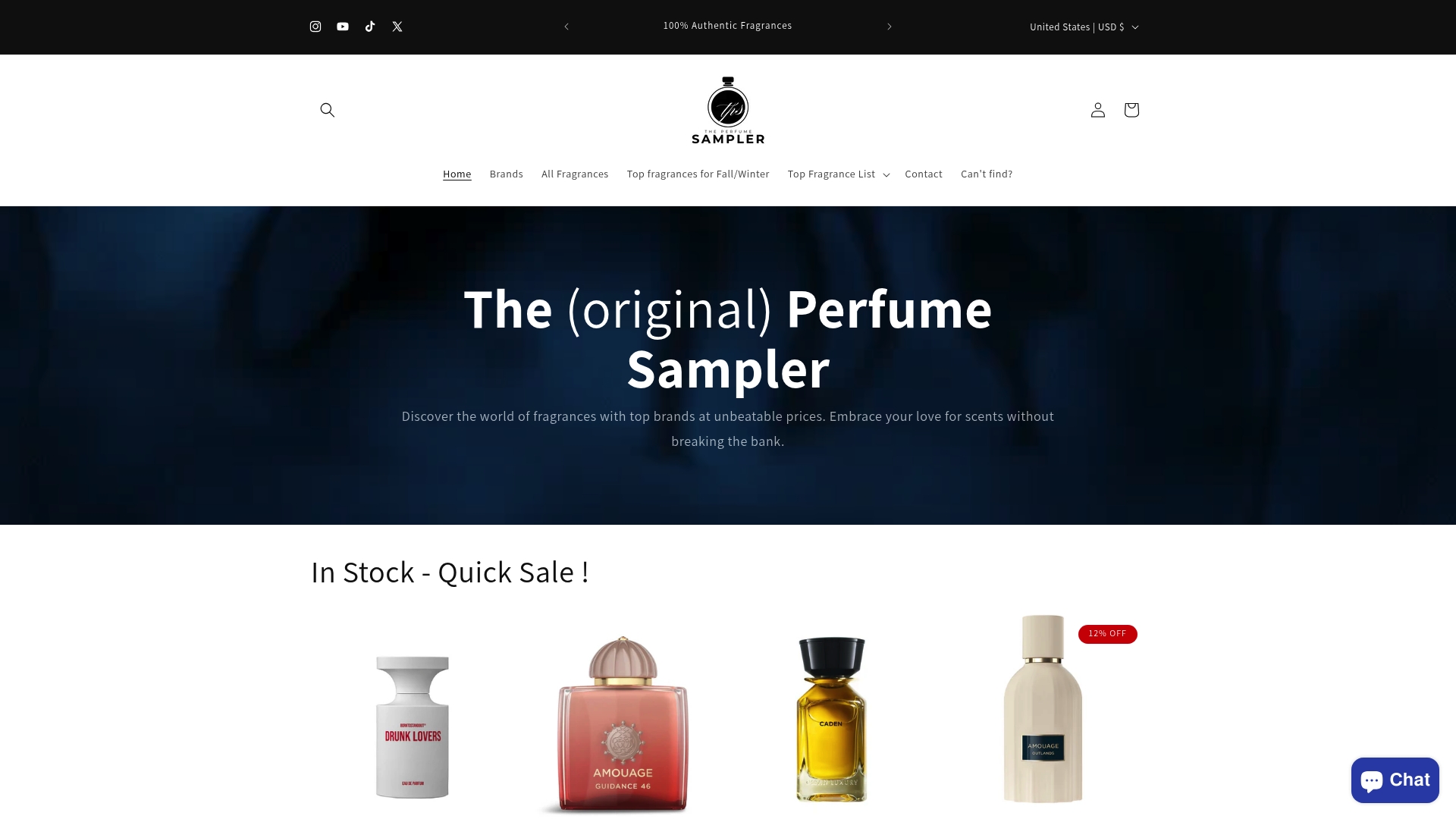
For customers who want to test before they buy, or simply enjoy luxury fragrances without paying full-bottle prices, decants are the practical solution. Read more about why decants work for budget-conscious fragrance buyers. Theperfumesampler also stocks full bottles for customers ready to commit after sampling. Whether you are building a fragrance wardrobe from scratch or adding a new scent family to your rotation, the range covers both goals without unnecessary spend.
FAQ
What does “trying multiple scents affordably” mean?
It means sampling fragrances in small volumes, such as 2ml–10ml decants or discovery kits, before purchasing a full bottle. This approach reduces financial risk and supports informed buying decisions.
How many fragrances should I rotate to avoid nose blindness?
A rotation of 3–5 varied fragrances is the standard recommendation. Choosing scents from contrasting families, such as woody, floral, and aquatic, gives your olfactory system the contrast it needs to stay sensitive.
Are decants worth buying instead of full bottles?
Decants cost more per millilitre but far less upfront, making them the best option for testing a fragrance properly before committing. A 5ml or 10ml decant provides enough product for multiple full-day wears.
How long should I test a fragrance before buying the full bottle?
Test each fragrance on skin for at least one full day per session, repeated over 3–5 separate wears across several weeks. This reveals how the scent performs through all stages and how it interacts with your skin chemistry.
Is a monthly sampling budget worth setting?
A monthly budget of £15–£35 for fragrance samples supports consistent discovery without overspending. It keeps your exploration structured and prevents impulse purchases of full bottles you may not enjoy.