
Why layering scents is popular: the 2026 guide
TL;DR:
- Scent layering involves combining multiple fragrances or scented products to create a personalized, dynamic aroma. It has gained popularity worldwide as a means of self-expression and adaptability, with roots in Middle Eastern tradition reinterpreted for modern luxury markets. This practice enhances scent longevity, complexity, and individuality, especially among younger consumers embracing a scent wardrobe approach.
Scent layering is the practice of combining two or more fragrances or scented products to create a single, personalised aroma unique to the wearer. Known in the industry as fragrance layering or scent stacking, this technique has moved from niche hobby to mainstream practice. Jean Madar, CEO of Interparfums, describes layering as “the ultimate freedom” to personalise scent aligned to mood on any given day. That freedom is precisely why layering scents is popular across every age group and fragrance category in 2026.
Why is layering scents popular with modern consumers?
The single signature scent is no longer the only way to wear fragrance. Modern consumers want flexibility. They want a scent that reflects who they are at 8am on a Monday and who they are on a Saturday evening. Fragrance layering delivers that.
Autumne West, a fragrance expert cited by Vogue, describes layering as transforming fragrance into an accessory-like experience, something you build and adjust rather than simply apply. That shift in thinking is significant. Fragrance is no longer a fixed finishing touch. It is a modular, expressive tool.
Social media has accelerated this shift considerably. Platforms like TikTok and Instagram feature influencers sharing layering combinations daily, and that visibility has driven mainstream interest in what was once considered an advanced technique. When you can watch someone build a scent in 30 seconds, the practice feels approachable rather than intimidating.
Where did scent layering come from?
Fragrance layering is not a new concept invented by social media. Its roots are centuries old.
Robin Mason of DSM-Firmenich explains that layering began in the Middle East, where perfumers and wearers combined oud, rose, amber, and musk to create deeply personal signature scents. The goal was never a fixed identity. It was a fluid, individual expression that changed with occasion and season.
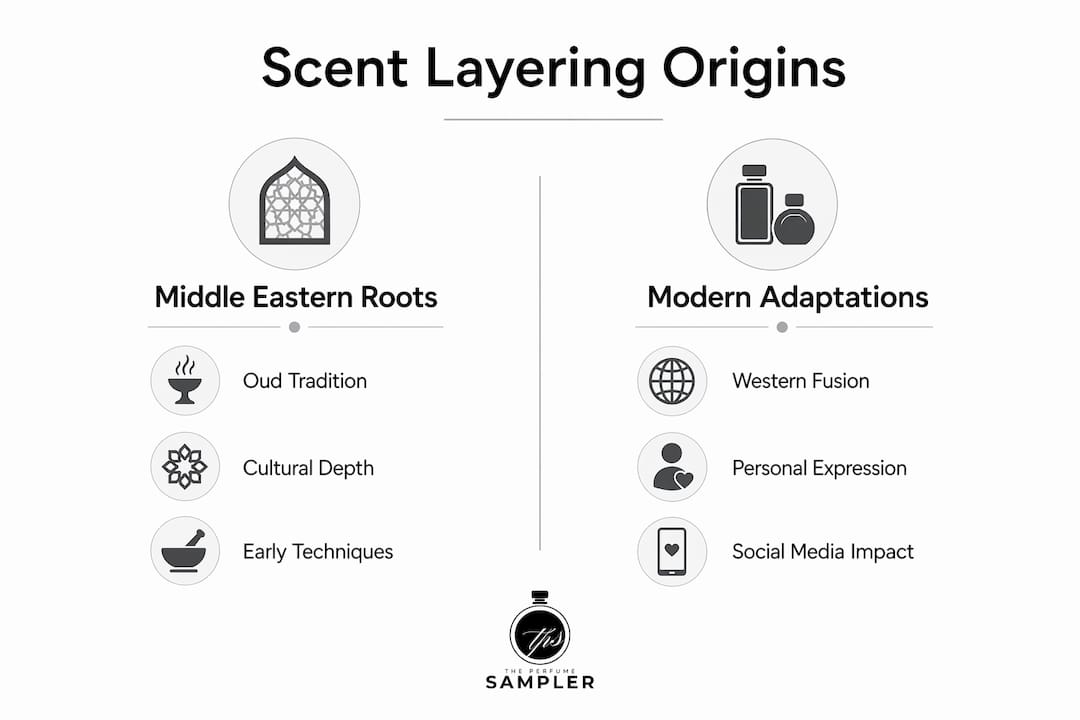
This contrasts sharply with the Western tradition, which for most of the 20th century favoured a single signature fragrance worn consistently. Brands built entire identities around this idea. Chanel No. 5, Opium by Yves Saint Laurent, and Acqua di Gio by Giorgio Armani became cultural shorthand for a person’s character.
The modern re-emergence of layering represents a return to the Middle Eastern philosophy, reinterpreted for a global luxury market. Key factors driving this revival include:
- Cultural exchange through travel, social media, and global retail bringing Middle Eastern fragrance traditions to Western audiences
- Niche perfumery growth with houses like Maison Margiela, Byredo, and Le Labo encouraging experimentation over conformity
- Luxury personalisation as a broader consumer trend across beauty, fashion, and lifestyle categories
- Rejection of mass-market uniformity particularly among younger consumers who prioritise individuality
The tradition has not simply been borrowed. It has been adapted. Today’s layering culture combines Middle Eastern depth with Western accessibility, producing a practice that works for everyone from casual fragrance wearers to dedicated collectors.
Is layering fragrances better for your scent experience?
Layering does more than create a new smell. It changes how fragrance behaves on your skin entirely.
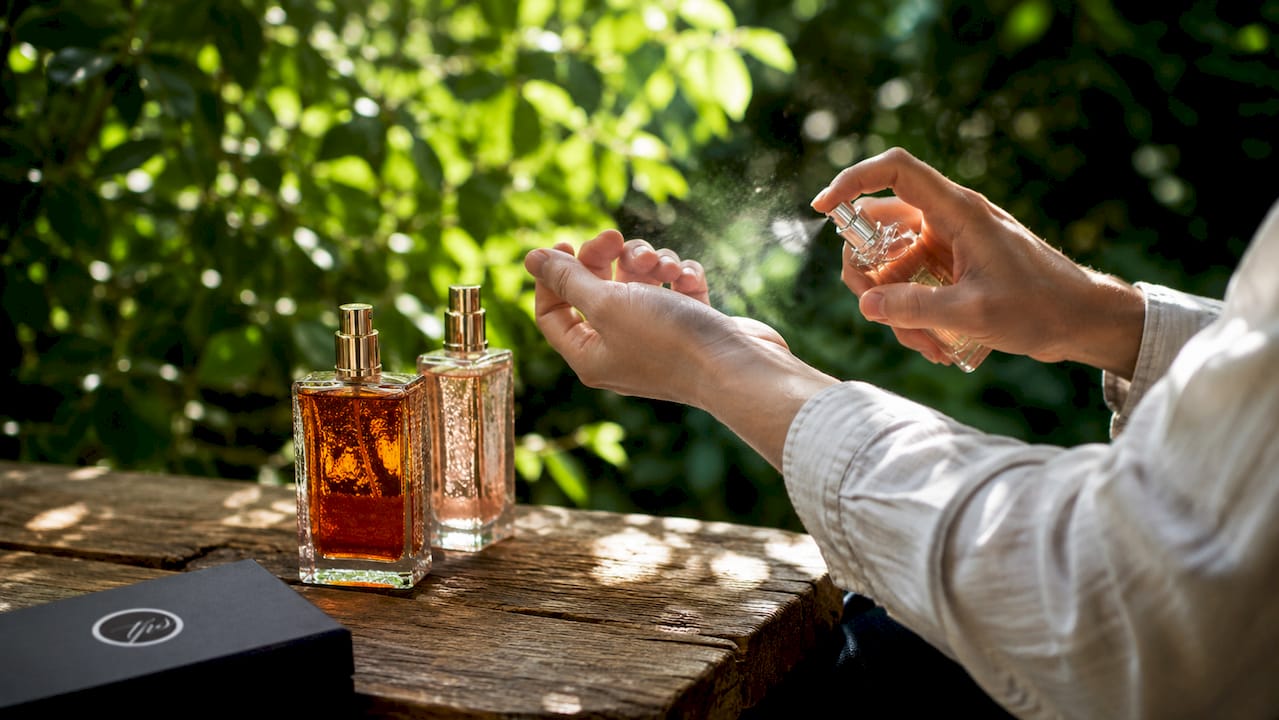
A single fragrance fades in a predictable arc: top notes first, then heart notes, then base notes. Layering disrupts that arc. Experts confirm that combining fragrances reveals different facets gradually rather than producing one scent that simply fades. The result is a richer, more complex olfactory experience that evolves across hours rather than minutes.
Longevity is a measurable benefit too. Applying two fragrances together increases the total quantity of scent material on skin, which extends wear time compared to a single application. This is particularly useful for lighter eau de toilette formulas that would otherwise fade by midday.
The table below summarises the key sensory differences between wearing a single fragrance and layering two or more:
| Factor | Single Fragrance | Layered Fragrances |
|---|---|---|
| Scent evolution | Linear fade from top to base | Multi-dimensional, reveals facets over time |
| Longevity | Depends on concentration | Extended by additional scent material on skin |
| Uniqueness | Identical to anyone wearing the same bottle | Unique to your combination and skin chemistry |
| Complexity | Fixed by the perfumer’s formula | Adjusted by the wearer in real time |
| Versatility | One mood, one occasion | Adaptable to mood, season, and occasion |
Understanding how fragrances evolve on skin helps you predict how two scents will interact before you commit to a combination. This knowledge removes the guesswork from layering.
Pro Tip: Pick one fragrance as your “hero” scent and use a second to adjust a single facet, such as adding warmth or freshness. Avoid using two equally dominant fragrances at once, as they will compete rather than complement.
How do you layer fragrances as a beginner?
Starting with scent layering does not require an extensive collection or professional knowledge. The technique is accessible from day one if you follow a few clear principles.
Millie Lloyd, a fragrance expert featured in Harper’s Bazaar, advises beginning with small amounts of lighter scents and waiting before adding more. This approach removes the fear of ruining a fragrance and gives you time to assess how the combination is developing on your skin.
Here is a practical starting framework:
- Choose two fragrances from complementary scent families. Citrus with woody, floral with musk, and vanilla with amber are reliable starting points. Avoid combining two heavy orientals as a first attempt.
- Apply the heavier or warmer scent first. This becomes the base layer. Oud, sandalwood, and amber-heavy fragrances work well as foundations.
- Layer the lighter or fresher scent on top. Apply this to pulse points after the first scent has settled for 30–60 seconds. Citrus, green, and light floral fragrances sit well in this role.
- Use small quantities. One spray of each is sufficient to start. You can always add more once you assess the result.
- Extend layering beyond perfume bottles. Scented body lotions, hair mists, and shower gels in complementary notes add depth without overwhelming. Younger consumers are expanding into multiple fragrance categories including deodorants and aftershaves to build a complete scent profile.
Popular starting combinations include:
- Sandalwood with bergamot or neroli
- Rose with oud or patchouli
- Vanilla with vetiver or cedarwood
- Jasmine with white musk
Understanding perfume notes and fragrance layers gives you the vocabulary to make informed choices when selecting combinations. Once you know which notes sit in the base, heart, and top of each fragrance, pairing becomes far more deliberate and successful.
Pro Tip: Try layering a scented body lotion in a simple note like vanilla or sandalwood under your main fragrance. This adds a subtle base layer without the complexity of a second full perfume.
Who is driving the scent layering trend in 2026?
The demographic data behind scent layering is striking. A Mintel study found that 75% of Gen Z men layer scents, compared to just 39% of Gen X men. That gap reflects a generational shift in how fragrance is understood and used.
For Gen Z and Millennials, fragrance is not a finishing touch. It is a form of self-expression comparable to clothing or music taste. The idea of a fixed signature scent feels limiting to a generation that curates every aspect of personal identity. A scent wardrobe, with different combinations for different moods, occasions, and seasons, fits naturally into that mindset.
This shift also reflects broader trends in fragrance within youth culture, where niche and independent perfume houses have gained significant ground over mass-market designer names. Brands that encourage layering, such as Byredo and Maison Margiela, align with values of creativity and individuality that resonate strongly with younger buyers.
Key takeaways
Scent layering is popular because it gives wearers complete control over their fragrance identity, combining cultural tradition with modern personalisation and measurable sensory benefits.
| Point | Details |
|---|---|
| Cultural origins | Layering began in Middle Eastern perfumery and has been reinterpreted for modern luxury markets. |
| Demographic shift | 75% of Gen Z men layer scents, compared to 39% of Gen X men, showing a clear generational change. |
| Sensory benefits | Layering extends longevity and creates multi-dimensional scent evolution beyond a single fragrance. |
| Beginner technique | Start with one hero scent and one complementary modifier, applying lighter notes over heavier ones. |
| Social media impact | TikTok and Instagram have made layering techniques visible and accessible to mainstream audiences. |
Layering scents in 2026: my honest perspective
I have been working with fragrance for years, and the layering trend is one of the most genuinely interesting shifts I have seen. What strikes me most is that it is not a gimmick. It is a return to something older and more considered than the 20th-century idea of a single bottle defining a person.
What I find underappreciated is the role of skin chemistry. Two people can layer the same two fragrances and produce entirely different results. That variability is not a flaw. It is the point. Fragrance layering is one of the few beauty practices that is truly unrepeatable and personal in the way perfume empowers self-expression in ways no other product category quite matches.
My practical advice: do not overthink it. The fear of getting it wrong stops most people from starting. Start with two fragrances you already own and enjoy separately. Apply one, wait a minute, apply the other. That is it. The worst outcome is that you wash it off and try again. The best outcome is that you discover a combination that feels entirely your own.
The brands and experts pushing layering in 2026 are right about one thing. Fragrance is no longer just something you wear. It is something you compose.
— Rupesh
Explore scent layering with Theperfumesampler
Experimenting with layering requires access to multiple fragrances without the cost of buying full bottles upfront. Theperfumesampler solves that problem directly.
Theperfumesampler offers 100% authentic fragrance decants in sizes of 2ml, 3ml, 5ml, and 10ml, covering niche and designer names from houses including Byredo, Tom Ford, and Maison Margiela. These sizes are ideal for testing combinations before committing to a full bottle. You can build a layering collection at a fraction of the cost of buying multiple full-size fragrances. Browse the full range at Theperfumesampler and start composing your own signature combination today.
FAQ
What is scent layering?
Scent layering is the practice of combining two or more fragrances or scented products on the skin to create a unique, personalised aroma. The technique originates from Middle Eastern perfumery traditions and has become mainstream globally.
Does layering fragrances make them last longer?
Yes. Applying two fragrances together increases the total quantity of scent material on skin, which extends wear time compared to a single application alone.
How do you layer fragrances without clashing?
Apply a heavier, warmer fragrance first as a base, then layer a lighter or fresher scent on top. Choosing fragrances from complementary scent families, such as woody with citrus or floral with musk, reduces the risk of clashing.
Why do younger consumers prefer layering over a single signature scent?
A Mintel study found 75% of Gen Z men layer scents, compared to 39% of Gen X men. Younger consumers treat fragrance as a form of identity expression and prefer the flexibility of a scent wardrobe over a fixed single fragrance.
Can you layer fragrances using products other than perfume?
Yes. Scented body lotions, hair mists, shower gels, and deodorants in complementary notes all contribute to a layered scent profile. Using a lightly scented lotion as a base before applying perfume is one of the most effective and accessible layering techniques.