
Unique campus fragrances: your 2026 scent guide
TL;DR:
- Campus fragrances today focus on subtle, skin-like scents that express personality without overpowering shared spaces. Trends in 2026 emphasize milky, musky profiles, cashmere notes, and functional scents that support mood and wellbeing. Applying one to two sprays on pulse points and layering small collections helps students craft personal, versatile scent identities.
Unique campus fragrances are carefully chosen scents that express personality, create a memorable presence, and fit the social rhythms of student life. The term “campus fragrance” is informal, but it describes a real and growing category within personal fragrance, one that prioritises wearability, subtlety, and identity. Projects like the Yale Student Fragrance Organisation’s themed perfume line and Glion’s scent identity work show that fragrance is now a recognised tool for self-expression on campus. In 2026, trends like milky skin-scents and cashmere profiles make it easier than ever to find a signature that feels genuinely yours.
1. Top unique campus fragrance picks for students
The best fragrances for university wear share three qualities: moderate projection, versatile notes, and enough character to be memorable without being intrusive. Below are eight strong options across different scent profiles, each suited to the demands of lectures, libraries, and social events.
-
Fresh aquatics and citrus (e.g. Acqua di Parma Colonia, Issey Miyake L’Eau d’Issey): Clean, light, and crowd-pleasing. These are the definition of a popular campus scent because they read as polished without demanding attention. Longevity is moderate at four to six hours, which suits a full day of classes.
-
Skin-like musks (e.g. Maison Margiela Replica “Flower Market”, Juliette Has a Gun Not a Perfume): These sit close to the skin and project only to those near you. They are among the best all-season campus scents because they work in both cold lecture halls and warm social settings.
-
Soft woody and sandalwood (e.g. Le Labo Santal 33, Byredo Bal d’Afrique): Warm, grounding, and distinctive without being heavy. Sandalwood-led fragrances are a reliable college scent idea for students who want something more characterful than a generic fresh spray.
-
Milky and gourmand-light (e.g. Kayali Vanilla 28, Glossier You): Milky perfumes in 2026 are popular for their skin-like softness, making them ideal for subtle, wearable campus signatures. They layer well and rarely cause offence in shared spaces.
-
Solar and warm skin (e.g. Narciso Rodriguez For Her, Estée Lauder Bronze Goddess): Solar fragrances evoke warmth and sensuality. One spray is advised to maintain comfort in classes and shared spaces without overpowering.
-
Green and botanical (e.g. Diptyque Philosykos, Hermès Un Jardin sur le Nil): Fresh green notes read as natural and unforced. These are strong examples of crowd-pleasing campus scents because they feel clean without being generic.
-
Soft florals (e.g. Jo Malone Peony & Blush Suede, Chloé Eau de Parfum): Approachable and feminine without being sweet. Soft florals project gently and work across seasons, making them reliable all-season campus scents.
-
Cashmere and soft amber (e.g. Mugler Alien Goddess, Prada Paradoxe): Cashmere profiles are a 2026 campus perfume trend worth noting. They feel luxurious but never loud, and they layer beautifully with musks or light woods for a truly personal signature.
Pro Tip: Apply fragrance to pulse points only: wrists, the base of the throat, and behind the ears. In shared academic spaces, one to two sprays is sufficient. More than that risks discomfort for those around you.
2. What are popular campus scent trends in 2026?
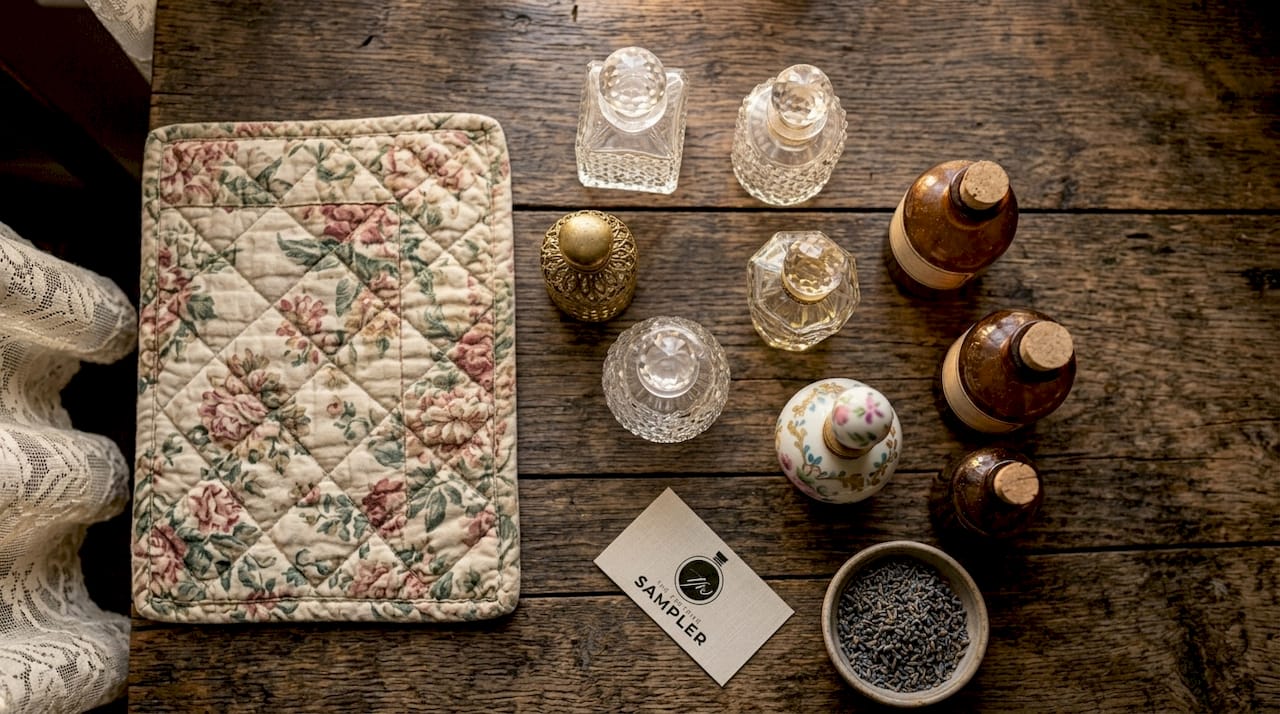
Campus perfume trends in 2026 reflect a broader shift in the fragrance industry toward subtlety, skin-compatibility, and emotional function. These are not passing fads. They reflect what students actually want from a scent worn in close-quarters environments.
The dominant trend is the milky and skin-scent category. These fragrances smell like warm, clean skin rather than a distinct perfume, which makes them socially considerate and highly wearable. They are the top answer to “what is a popular campus scent” in 2026 because they suit every setting from a 9am lecture to a Friday evening social.
Cashmere and soft amber profiles follow closely. These are warmer and slightly more opulent, but still restrained enough for shared spaces. They work particularly well in autumn and winter, giving students a seasonal option that does not require switching their entire collection.
Solar fragrances, which evoke sun-warmed skin with light musks and warm woods, are the summer pick. They feel effortless and confident, which is exactly the tone most students want to project.
The most interesting development is the rise of functional fragrances. Brands like Aerchitect are designing mood-shifting scent lines built around sensory neuroscience data, offering calming, focusing, or energising effects. These are crafted for specific mental states, making them genuinely useful for campus performance and wellbeing.
Scent layering is also gaining traction as a way to create a personal fragrance signature without buying a new bottle for every occasion. Layering a skin musk under a soft floral, for example, creates a scent that is entirely your own and difficult to replicate.
3. How to use and layer unique campus fragrances effectively
Wearing fragrance well on campus is as much about restraint as it is about selection. Shared lecture halls, libraries, and study rooms require a different approach to application than a night out.
-
Apply to pulse points only. Wrists, neck, and behind the ears are sufficient. These areas generate heat, which diffuses the scent naturally without amplifying it artificially.
-
Use one to two sprays maximum for daytime. Subtle fragrance deployment in shared spaces should support the environment without dominating it. This is the same principle Breda University of Applied Sciences applied when introducing ambient scenting to its campus.
-
Layer strategically, not randomly. Start with an unscented or lightly scented body lotion to extend longevity, then apply your fragrance on top. This reduces the number of sprays needed and keeps projection close to the skin.
-
Build a small campus fragrance set. A personal campus scent strategy works best as a small collection of related fragrances: a signature scent with one or two variants for different situations, all sharing notes for recognisability. This approach, reflected in the Yale fragrance model, gives you flexibility without losing a coherent identity.
-
Use travel sprays or roller oils for retouches. These allow discreet top-ups between classes without the risk of over-application. A 2ml or 3ml decant fits easily in a bag and is ideal for this purpose.
-
Match intensity to occasion. Fresh aquatics and skin musks suit daytime academic settings. Cashmere and soft amber profiles are better reserved for evenings or social events where a slightly stronger presence is appropriate.
Pro Tip: If you are unsure how a fragrance projects on your skin, spray once on your wrist and walk around for ten minutes before adding more. Skin chemistry changes how a fragrance performs, and what smells subtle in the bottle may project more strongly on you.
4. Examples of creative campus-themed fragrance projects
Some of the most interesting college scent ideas come not from brands but from students themselves. These projects show how fragrance can function as social currency and collective identity.
The Yale Student Fragrance Organisation released a themed line of five fragrances priced between $22 and $25, each referencing a campus location or tradition. The collection is a clear example of how student fragrance organisations can democratise access to personal scent identity. At that price point, fragrance becomes accessible rather than aspirational, and the shared reference points create a genuine sense of community.
Breda University of Applied Sciences took a different approach. The university introduced a subtle pine fragrance at its campus entrance that improved perceived air quality and atmosphere. Visitors frequently commented positively on the environment without identifying the scent as the cause. This demonstrates that ambient scenting, when done with restraint, can shape how a space feels without anyone consciously noticing.
| Approach | Example | Key benefit |
|---|---|---|
| Student-led collection | Yale Student Fragrance Organisation | Builds shared identity and accessible price points |
| Ambient campus scenting | Breda University of Applied Sciences | Improves atmosphere without individual effort |
| Personal signature set | Small collection of 2 to 3 related scents | Creates recognisable personal identity across occasions |
| Functional fragrance | Aerchitect nervous system line | Supports focus and wellbeing in academic settings |
The concept of a fragrance “story” is worth taking seriously. Glion’s approach to scent identity design treats fragrance as something that should engage students from the moment they first encounter an institution, not just when they are on campus. For individual students, this translates to thinking about fragrance as part of a broader personal narrative rather than a daily afterthought. You can read more about building that kind of identity through the learner’s fragrance guide on Theperfumesampler’s blog.
Key takeaways
The most effective approach to unique campus fragrances is a small, curated collection of related scents applied with restraint and matched to the occasion.
| Point | Details |
|---|---|
| Prioritise skin-compatible scents | Milky, musk, and cashmere profiles suit shared academic spaces without causing discomfort. |
| Apply with restraint | One to two sprays on pulse points is sufficient for all-day campus wear. |
| Build a small collection | A signature scent plus one or two variants sharing notes creates a coherent personal identity. |
| Follow 2026 trends selectively | Solar, milky, and functional fragrances are the strongest campus perfume trends this year. |
| Try before you commit | Decants and samples allow you to test how a fragrance performs on your skin before buying a full bottle. |
Scent on campus: what I have actually learnt
By Rupesh
The advice most fragrance articles give students is to pick something “fresh and inoffensive.” That is not wrong, but it misses the point. The students I see building genuinely memorable scent identities are not playing it safe. They are making deliberate choices, testing things on their skin, and treating fragrance as part of how they present themselves rather than an afterthought.
What I have found is that the biggest mistake is over-application. One spray of a well-chosen skin musk is more distinctive than four sprays of a generic fresh citrus. Subtlety is not timidity. It is confidence. The person next to you in a seminar should catch a trace of your fragrance when you move, not when you walk in the door.
The other thing worth saying is that campus fragrance etiquette is real. Libraries, labs, and small seminar rooms are not the place for heavy projection. Save the cashmere and amber for evenings. This is not about suppressing your personality. It is about reading the room, which is a skill worth developing at university anyway.
My practical advice: start with a campus scent guide, identify two or three scent families that appeal to you, and try samples before spending on full bottles. The Yale model of a small, themed collection is genuinely smart. You do not need twenty fragrances. You need three that work together and suit different parts of your week.
— Rupesh
Explore unique campus fragrances with Theperfumesampler
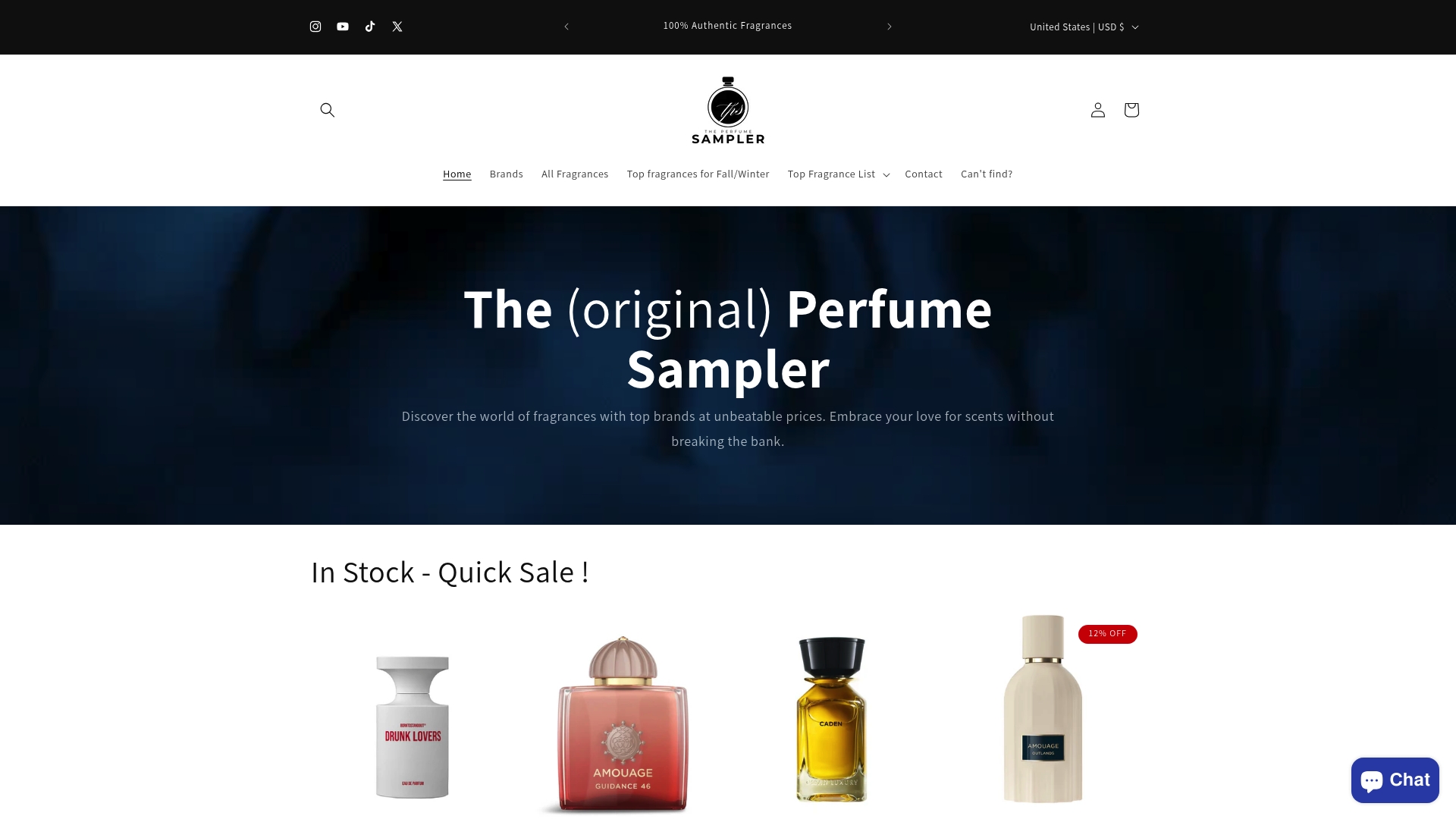
Theperfumesampler stocks high-end niche and designer fragrance samples in 2ml, 3ml, 5ml, and 10ml sizes. This is the practical way to build a campus fragrance collection without committing to full bottles you may not wear. You can test milky musks, cashmere profiles, solar scents, and soft florals on your own skin before deciding what works for you. Read about the benefits of decants to understand why sampling is the smarter starting point for students. For a versatile, campus-ready option, the Boss Bottled Absolu Parfum Intense is worth sampling. All products are 100% authentic.
FAQ
What is a popular campus scent in 2026?
Milky and skin-like musks are the most popular campus scents in 2026, valued for their subtlety and wearability in shared spaces. Cashmere and solar profiles are also widely worn across seasons.
How do I choose campus cologne or perfume?
Choose a fragrance with moderate projection and versatile notes such as clean musks, soft woods, or light florals. Test it on your skin for at least thirty minutes before deciding, as skin chemistry affects how a fragrance performs.
How many sprays should I wear to class?
One to two sprays on pulse points is the standard for daytime campus wear. Applying more risks discomfort for those around you in enclosed spaces like lecture halls and libraries.
Can I layer fragrances on campus?
Yes. Layering a skin musk under a soft floral or light wood creates a personal signature that projects subtly. Start with an unscented body lotion as a base to extend longevity without increasing projection.
Are fragrance samples worth buying for campus use?
Fragrance decants in 2ml to 10ml sizes are the most cost-effective way to build a campus collection. They allow you to test multiple scents across different settings before investing in a full bottle.