
Fragrances in youth culture: identity and trends
TL;DR:
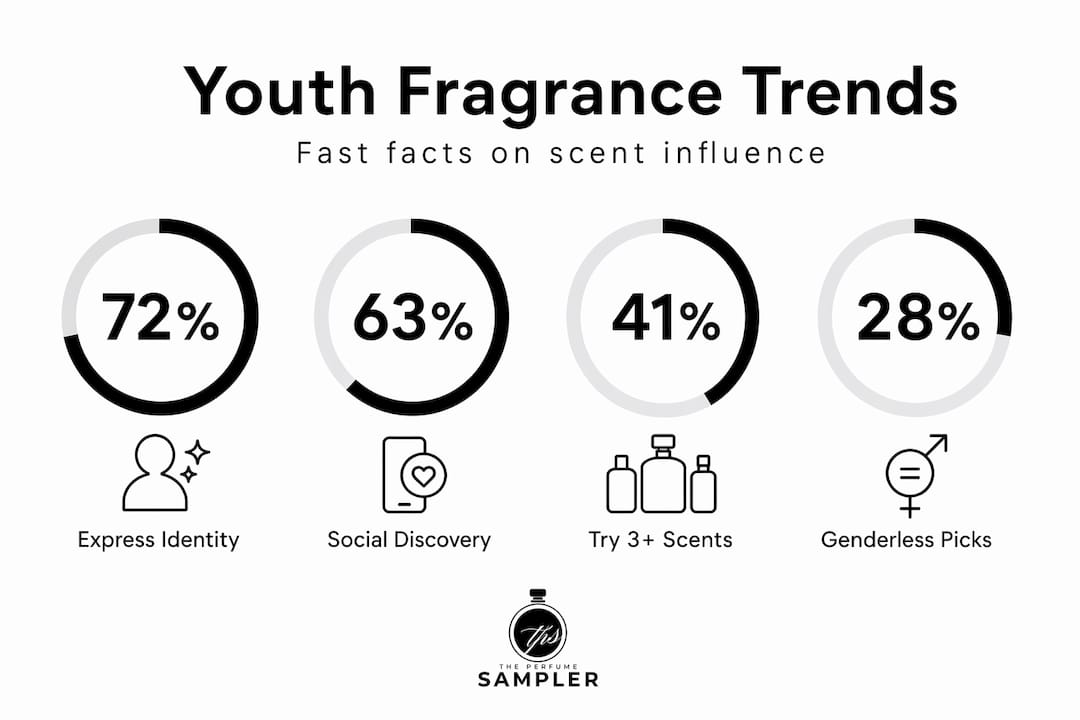
- Fragrance has become a vital tool for young people to express identity, mood, and cultural belonging through scent.
- Social media platforms like TikTok have revolutionized fragrance discovery, enabling peer-led recommendations and rapid trend cycles.
Scent is no longer just something you put on before leaving the house. The role of fragrances in youth culture has shifted significantly, turning perfume into one of the most personal and socially loaded choices a young person makes. We are not talking about a luxury reserved for special occasions. For young people today, fragrance is identity, social currency, and self-expression all compressed into a small bottle. This article breaks down how and why that happened, and what it means for how you choose, wear, and think about scent.
Table of Contents
- Key takeaways
- How fragrances shape identity in youth
- Social media and fragrance discovery
- Scent as a social status signal
- Building your fragrance wardrobe practically
- My take on where fragrance culture is heading
- Explore fragrance samples with Theperfumesampler
- FAQ
Key takeaways
| Point | Details |
|---|---|
| Scent as identity tool | Young people use fragrance to communicate personality, mood, and cultural belonging, not just smell. |
| Social media drives discovery | Platforms like TikTok have replaced traditional advertising as the primary source of fragrance trends in youth. |
| Smellmaxxing is real | Scent has become a competitive social performance metric, especially among teenage boys. |
| Sampling lowers barriers | Minis and decants allow young consumers to experiment without committing to expensive full bottles. |
| Genderless scents are rising | Soft, milky fragrances reflect youth preferences for fluid identity and comfort-led self-expression. |
How fragrances shape identity in youth
Fragrance researchers and cultural commentators often describe scent as an “invisible language.” It communicates things about you before you speak, after you leave, and often without you even realising it. For young people, this quality makes fragrance one of the most powerful tools for self-expression and personal style.
Part of what gives scent its identity power is what experts call olfactory baggage. Your memories, cultural background, and personal history all shape the fragrances you are drawn to. A scent that reminds you of a parent, a place, or a particular period in your life carries emotional weight that no other sensory experience quite matches.
This emotional depth is why young people are increasingly building what Mintel calls a “fragrance wardrobe.” Rather than committing to a single signature scent, they collect multiple fragrances for different moods, contexts, and occasions. A fresh citrus for lectures, a warmer musk for evenings, a soft skin scent for low-key days. It is a modular approach to identity that mirrors how youth culture thinks about fashion or playlists.
One of the most notable current shifts is the rise of genderless, soft fragrances. Milky, skin-like scents have surged in popularity among younger consumers who associate them with comfort, softness, and a rejection of rigid gender codes. These are not bold, attention-seeking perfumes. They are intimate, personal, and deliberately unbothered.
Key ways young people use fragrance to express identity:
- Layering two or three scents to create something personal and unrepeatable
- Situational wear, matching fragrance to mood or social context rather than sticking to one signature
- Collecting limited editions and niche releases as part of a curated personal aesthetic
- Aligning with scent families (florals, musks, orientals) that feel like a reflection of personality
Pro Tip: If you are building your first fragrance wardrobe, start with one scent per category: one fresh, one warm, one skin-close. Three bottles cover most situations and give you real variety without the cost of a full collection.
Social media and fragrance discovery
TikTok did not just change how music or fashion spread. It fundamentally rewired how fragrance trends in youth move, grow, and take hold. The old model of a magazine advertisement or a department store counter has been replaced entirely by creator-led, native content.
How digital culture now shapes youth fragrance behaviour:
- Discovery through community. Scent communities on TikTok and Instagram share reviews, comparisons, and “what I wore today” content that feels personal and trusted, not commercial. Fragrance discovery increasingly happens through peer recommendation rather than brand advertising.
- Blind buying made normal. Social media content has created enough visual and descriptive context around fragrances that many young consumers are now comfortable buying scents they have never physically tested. Digital native content has replaced the in-store trial.
- Minis and samples as entry points. The growth of travel-size and sample formats directly reflects how social media drives curiosity. A young consumer sees a fragrance featured in a video and wants to try it, not buy 100ml of it. Accessible formats close that gap.
- Real-time trend cycles. Fragrance trends now move at social media speed. A perfume can go from obscure niche to sold-out within weeks if the right creator picks it up. Summer 2026 fragrance trend coverage shows how quickly mood-led scents rise from niche conversations to mainstream demand.
“Youth expect real-time interaction and transparency from brands. Fragrance discovery has shifted online, and brands that fail to engage authentically in those spaces are simply invisible to younger consumers.” — Mintel, 2025
This shift has profound implications for how young people relate to fragrance culture. Scent choices are now narratable. You can post about them, get feedback on them, debate them, and build community around them. That social layer is entirely new to perfumery.
Scent as a social status signal
The concept of “smellmaxxing” might sound niche, but it captures something real about how youth culture has repositioned fragrance. Particularly among teenage boys and young men, scent as social performance has become a genuine cultural movement. TikTok communities discuss fragrance projection, longevity, and compliment-getting potential the way others talk about gym progress or streetwear collections.
| Fragrance type | Social signal sent | Typical youth context |
|---|---|---|
| Niche or cult scent | Knowledgeable, distinctive | Fashion-forward social circles |
| Designer signature | Aspirational, polished | Formal settings, dating |
| Viral TikTok scent | Current, trend-aware | Peer groups, campus life |
| Genderless skin scent | Confident, understated | Everyday wear, self-expression |
Hype scents function much like limited-edition trainers or rare streetwear. Owning the right bottle signals cultural knowledge and insider status. Youth fragrance identity is not static but fluid and socially validated, constantly redefined through new releases, social media cycles, and peer interaction.
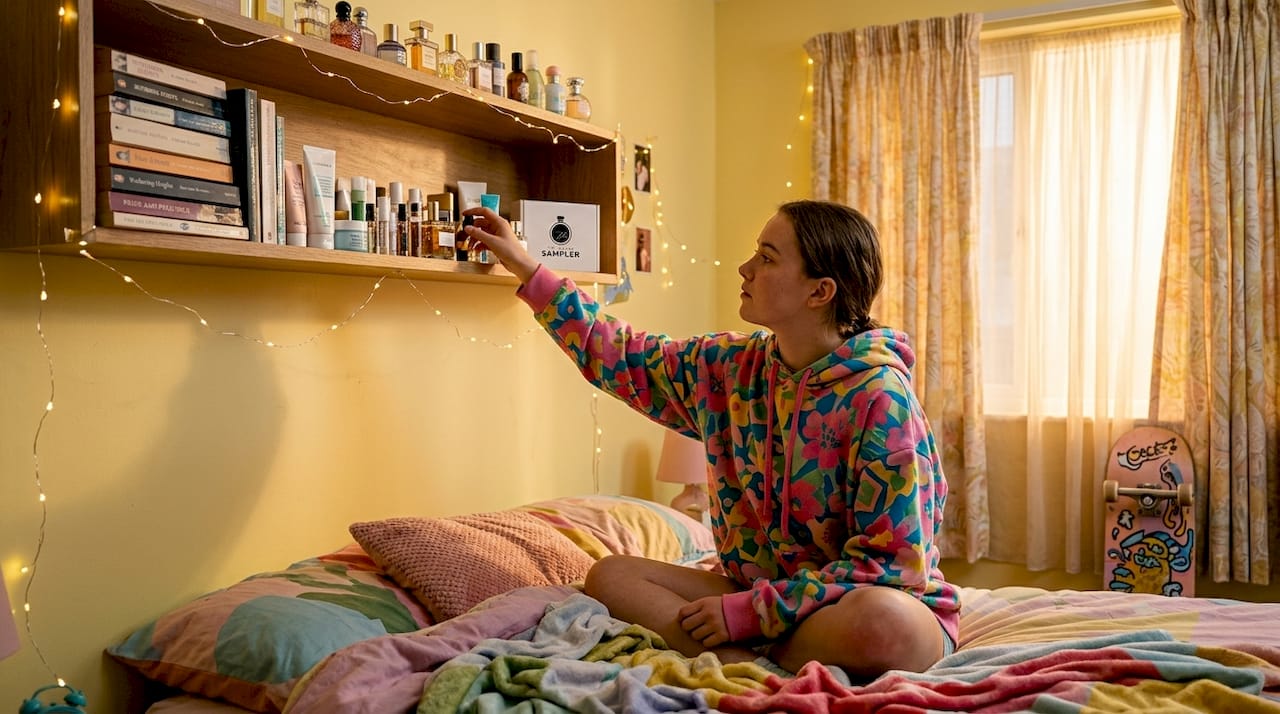
The parallel with other “maxxing” trends is worth noting. Looksmaxxing, fitmaxxing, and smellmaxxing all share a core logic: self-optimisation as social performance. Fragrance has slotted naturally into this framework because it is both personal and public. It affects how others perceive you without requiring a single word.
Pro Tip: If you want a scent that reads as knowledgeable without spending on a rare bottle, explore affordable niche alternatives before buying. Understanding scent families and notes is what separates a thoughtful choice from a random one.
Building your fragrance wardrobe practically
Understanding the cultural significance of fragrances is one thing. Knowing how to actually build a collection you will use is another. Young consumers are increasingly practical about this, and the market has responded with formats that make experimentation affordable.
Practical purchasing approaches used by young fragrance consumers:
- Sample first, commit later. Decants in 2ml, 3ml, and 5ml sizes let you test a fragrance across different days, temperatures, and moods before spending on a full bottle.
- Track your preferences. Note what you liked, what did not last, and what got compliments. Patterns emerge quickly and guide future choices.
- Use wearable sampling guides to understand how longevity, projection, and scent families work before investing.
- Buy for occasions, not just preference. A scent you love at home may be too heavy for a lecture hall or a shared office.
Fragrance etiquette is a real consideration, particularly for students in shared spaces. Dorms, classrooms, and libraries are environments where over-application affects other people. Scent in shared spaces is one of the genuine tensions in youth fragrance culture. A light application of one to two sprays is almost always sufficient. If you cannot smell your own fragrance after ten minutes, that is usually the right level for others.
There is also physiological evidence for why fragrance matters beyond social signalling. Aroma training has shown measurable improvements in memory and cognition, and lavender-based scents among adolescents have demonstrated improved sleep quality in clinical settings. Scent is not just social. It affects you directly.
My take on where fragrance culture is heading
I have watched fragrance move from a niche hobby to a genuine cultural force among young people, and the shift has been faster than most people expected.
What strikes me most is not the growth in sales or the TikTok numbers. It is the change in how young people talk about scent. Ten years ago, the conversation around youth and perfume choices was mostly about smelling good or copying a parent’s brand. Now it is about mood, identity, and community. That is a meaningful cultural evolution.
I also think the smellmaxxing conversation, while easy to mock, actually reflects something healthy. Young people are learning to think critically about what they wear and why. They are engaging with fragrance as craft rather than just product. That knowledge leads to better choices and a more personal relationship with scent.
Where I think the culture still needs to grow is around social awareness. Scent sensitivities are real. Wearing a heavy fragrance in a shared space without consideration for others is not self-expression. It is inconsiderate. The best fragrance communities I have seen balance personal exploration with that awareness naturally.
The opportunity for young people right now is real. Sampling formats, scent education, and online communities have never made it easier or more affordable to build a genuinely personal fragrance practice. Use them.
— Rupesh
Explore fragrance samples with Theperfumesampler
If you are starting to build your fragrance wardrobe, or want to try the scents generating conversation online, Theperfumesampler makes that genuinely affordable.
Theperfumesampler offers 100% authentic fragrance decants in 2ml, 3ml, 5ml, and 10ml sizes. You can test high-end niche and designer scents without paying full-bottle prices. Find out why decants work for youth fragrance exploration before spending on something that may not suit you. The range covers everything from viral TikTok scents to classic designer signatures, giving you the breadth to discover what your personal scent identity actually looks like. Browse the full selection at Theperfumesampler and start experimenting without the financial risk.
FAQ
How do fragrances influence identity in young people?
Young people use fragrance to communicate personality, mood, and cultural belonging. Scent choices signal group affiliation, emotional state, and personal values in ways that complement clothing and other style choices.
What is smellmaxxing?
Smellmaxxing is a trend, particularly among teenage boys, that treats fragrance as a form of competitive social performance. TikTok communities discuss scent projection and compliment-potential as measurable social metrics.
Why are genderless fragrances popular with young people?
Soft, milky, and genderless scents align with youth preferences for fluid identity and comfort. They reject traditional gender codes in fragrance and feel more personal and understated than conventional masculine or feminine profiles.
How does social media shape fragrance trends in youth?
TikTok and Instagram have replaced traditional advertising as the main source of fragrance discovery for young consumers. Creator-led content drives blind buying, fast trend cycles, and community-based scent culture.
What is the best way to start a fragrance wardrobe on a budget?
Start with fragrance decants and sample sizes to test multiple scents before committing to full bottles. Aim for one fresh, one warm, and one skin-close scent to cover most occasions without significant upfront cost.
Recommended
- Perfume types for youth: your guide to affordable scents – ThePerfumeSampler
- How perfume empowers self-expression and personal style – ThePerfumeSampler
- Fragrance tips for college: your campus scent guide – ThePerfumeSampler
- Why professionals wear perfume: confidence, branding, and scent – ThePerfumeSampler