
What is a starter fragrance: a beginner's guide
TL;DR:
- A starter fragrance is a curated set of scents designed for beginners to learn about their preferences and build confidence. It typically includes three to four versatile and contrasting scents, focusing on scent families and appropriate concentrations like Eau de Parfum. Testing fragrances across all stages and on multiple days helps ensure a better fit before making a full purchase.
A starter fragrance is a small, curated selection of perfumes chosen to introduce beginners to scent wearing with purpose and confidence. Rather than owning one signature scent or buying at random, a starter collection covers distinct occasions, seasons, and moods. Brands like Dior, Chanel, and Hugo Boss produce accessible options across formats such as Eau de Toilette and Eau de Parfum that suit this approach well. The goal is not to own many bottles. The goal is to own the right ones, chosen deliberately to reveal what you actually enjoy wearing.
What is a starter fragrance and why does it matter?
A starter fragrance, known in the fragrance community as a “beginner scent” or “entry-level perfume,” is any fragrance that is approachable, versatile, and forgiving enough for someone new to wearing perfume. The term is informal rather than an industry classification. Perfumers and retailers do not label bottles as “starter” products. The concept describes a buying strategy, not a product category.
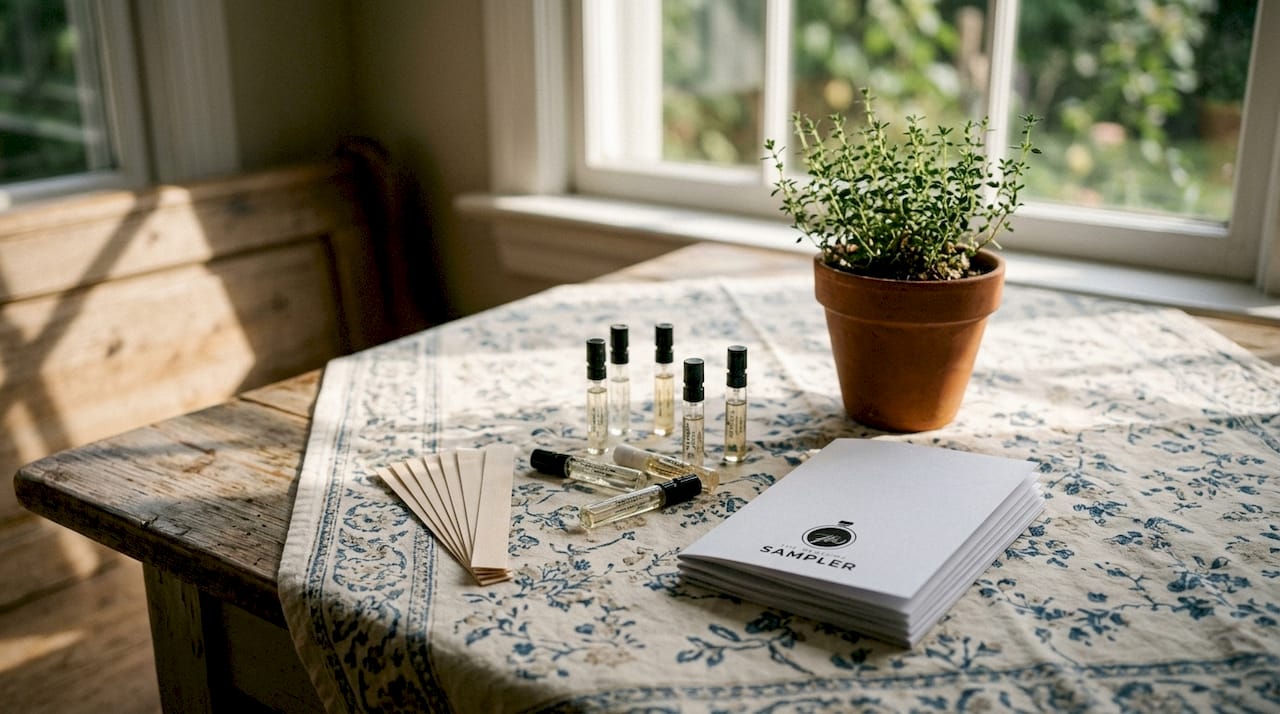
The practical value is clear. Beginners who buy without a plan often end up with several similar scents, no clear sense of what they prefer, and little confidence in future purchases. A structured beginner fragrance guide solves this by framing your first few purchases as a learning exercise. Each bottle teaches you something specific about your taste.
Good starter scents share three qualities: versatility across seasons or occasions, moderate longevity so you can observe how they wear, and a clear scent profile that is easy to identify and compare. These qualities make it straightforward to choose your first fragrance with real confidence rather than guesswork.
What fragrance types and concentrations are best for starters?
Understanding concentration is the single most useful piece of knowledge for any beginner. Fragrance concentrations differ in oil percentage, which directly affects how long a scent lasts on skin.
| Concentration | Oil percentage | Typical longevity | Best for |
|---|---|---|---|
| Parfum | 20–40% | 8–12+ hours | Special occasions, evenings |
| Eau de Parfum (EDP) | 15–20% | 5–8 hours | Daily wear, work, versatile use |
| Eau de Toilette (EDT) | 5–15% | 3–5 hours | Casual daytime, warmer weather |
| Cologne (EDC) | 2–5% | 2–3 hours | Light, refreshing, short wear |
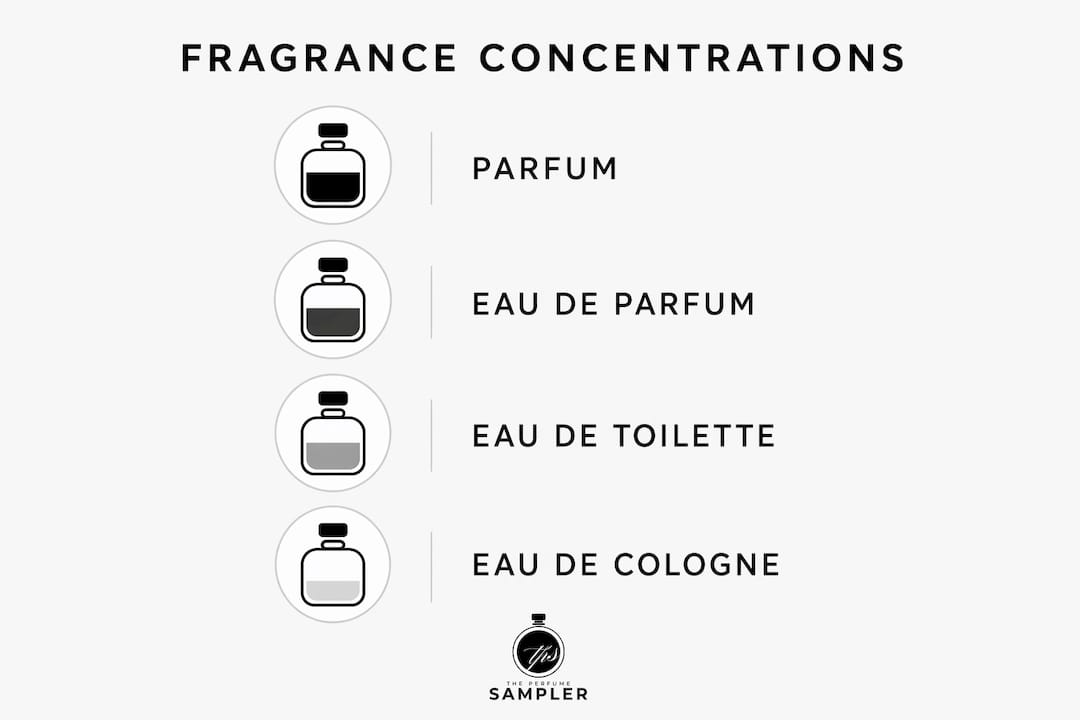
Eau de Parfum is the most practical starting point for most beginners. It lasts long enough to observe how a scent develops across the day without requiring constant reapplication. Eau de Toilette works well for lighter, fresh scents worn in warmer months.
Scent families matter just as much as concentration. The four families most relevant to beginners are fresh (citrus, aquatic, green), woody (sandalwood, cedar, vetiver), amber (warm, resinous, spiced), and gourmand (vanilla, caramel, sweet). Each family suits different seasons and occasions. Knowing which family appeals to you is the fastest way to narrow down options.
Pro Tip: Spray a fragrance on your wrist, not on a paper blotter, before deciding. Skin chemistry changes how a scent smells, and a blotter only tells you half the story.
How to build a small starter fragrance wardrobe
A fragrance wardrobe is a small, intentional set of scents that covers your main wearing occasions. It differs from owning a signature scent, which is a single perfume worn every day regardless of context. A wardrobe gives you options without excess.
Building a fragrance wardrobe does not require many bottles. A common beginner wardrobe consists of about three scents covering most occasions: a fresh or daytime option, a woody or spicy scent for autumn evenings, and a warm amber or gourmand for cold weather and date nights. This three-bottle model covers major seasons and occasions with minimal investment.
A four-bottle model, described as the simplest practical starter plan, adds an all-season versatile scent as a workhorse option for work, weekends, and unpredictable weather. For those who want broader coverage, a 5–7 bottle wardrobe equips you for different occasions and moods without creating overwhelming choice.
The scent roles in a practical starter wardrobe are:
- Fresh or daytime scent. Light, clean, and easy to wear. Citrus or aquatic profiles work well here. Suitable for work, errands, and warm weather.
- Warm or comfort scent. Soft, cosy, and approachable. Vanilla or soft woody notes suit this role. Ideal for weekends and cooler days.
- Evening or date-night scent. Richer, more intense, and memorable. Amber, oud, or spiced profiles fit this occasion.
- All-season versatile scent. A balanced, crowd-pleasing option that works across contexts. This is your most-reached-for bottle.
Choosing contrasting scents in your starter set, such as one fresh daytime and one warm evening option, helps clarify personal preferences faster than buying similar types. Contrast accelerates learning. Buying three fresh citrus scents teaches you very little about what you actually enjoy.
Many top-tier brands produce fragrances with overlapping notes. Focus on contrasting scent families rather than brand names alone to avoid building a redundant wardrobe.
How to test and evaluate starter fragrances effectively
Testing a fragrance properly is the skill most beginners underestimate. The process is straightforward when broken into stages.
- Initial spray (0–15 minutes). These are the top notes. Light, volatile, and fleeting, they create the first impression. Do not judge a fragrance solely on this stage.
- Heart phase (15–45 minutes). The heart notes emerge as the top notes fade. Perfume notes unfold in layers, and the heart is the fragrance’s true character. This is the most important phase for evaluation.
- Base note phase (1–4 hours). The base notes are the long-lasting foundation. Woody, musky, and resinous notes dominate here. This phase determines how a scent finishes and how long it lasts.
- End-of-day check (6–8 hours). A final assessment of what remains on skin. This tells you whether the dry-down is pleasant and whether the scent suits you across a full day.
Most online fragrance reviews focus on the first hour, missing how base notes evolve. Timed evaluation across the full wear gives a far more reliable picture of a scent’s character. Professional reviewers document scent phases over time for exactly this reason.
Repeated wear testing across different days accounts for variables like diet, hormones, and weather, all of which alter how a fragrance smells on your skin. A scent that disappoints on a Monday may perform very differently on a Friday. Testing on at least two separate days before making a decision is the most reliable method available.
Pro Tip: Keep a simple notes app or notebook to record your impressions at each stage. Tracking your reactions across multiple fragrances quickly reveals patterns in what you enjoy. Theperfumesampler has a practical guide on tracking fragrance preferences that is worth reading alongside this process.
Learning to evaluate scent profiles before committing to a purchase is the single most effective way to avoid buyer’s regret.
Common pitfalls beginners should avoid
Most beginner mistakes come from rushing the process or relying on incomplete information. The following are the most common errors and how to sidestep them.
- Buying too many similar scents. Three fresh citrus fragrances teach you nothing new. Contrast is what builds preference clarity. Prioritise scent families over brand loyalty when building your first set.
- Judging on first impression only. Top notes are designed to attract attention in a shop. They are not representative of how a fragrance wears. Always test through to the base notes before deciding.
- Over-investing in a signature scent too early. Committing to a full bottle before you have explored broadly is a common and costly mistake. Sample first, buy later.
- Ignoring skin chemistry. Fragrance smells different on every person. A scent that works beautifully on a friend may not suit your skin at all. Always test on your own wrist before purchasing.
- Relying solely on online reviews. Reviews reflect the reviewer’s skin, preferences, and environment. Use them as a starting point, not a final verdict. Cross-reference multiple sources and prioritise your own wear-test results.
- Choosing for trends rather than lifestyle. A fragrance that suits a reviewer’s evening events may be entirely wrong for your daily commute. Choose scents that fit how you actually live, not how you aspire to live.
Understanding your own skin chemistry and lifestyle before buying is the most underrated step in any beginner fragrance guide.
Key takeaways
A starter fragrance collection works best when it covers contrasting occasions and scent families rather than accumulating similar bottles.
| Point | Details |
|---|---|
| Define your starter set | Aim for 3–4 bottles covering fresh daytime, warm evening, and an all-season option. |
| Choose the right concentration | Eau de Parfum suits most beginners for balanced longevity and versatility. |
| Test across all note stages | Evaluate top, heart, and base notes across at least two separate wear tests before buying. |
| Prioritise contrast over quantity | Contrasting scent families reveal preferences faster than buying similar variations. |
| Sample before committing | Use decants or sample sizes to test fragrances on your own skin before investing in a full bottle. |
My honest view on building a starter fragrance collection
The advice I find most useful, and most often ignored, is this: resist the urge to buy quickly. The fragrance market is full of beautiful bottles and persuasive descriptions. Neither tells you how a scent will actually perform on your skin across a full day.
When I started paying serious attention to fragrance, I made the classic mistake of buying three variations of the same fresh aquatic profile within a month. They were all pleasant. They were also nearly identical. I learned almost nothing about my preferences from owning them. The moment I added a warm amber to the mix, everything became clearer. The contrast was what did it.
A minimal wardrobe of three or four genuinely different scents is more educational than a shelf of ten similar ones. Comfort matters more than trend. If you do not enjoy wearing a fragrance on an ordinary Tuesday, it does not matter how well-reviewed it is. Personal connection to a scent is the only metric that counts in the long run.
Patience in testing leads to far greater satisfaction than speed in buying. Give each fragrance at least two full days of wear before forming an opinion. The base notes often contain the most interesting and lasting character of a scent, and they take time to reveal themselves.
— Rupesh
Try before you buy with Theperfumesampler
Committing to a full bottle of an untested fragrance is a significant investment. Theperfumesampler offers a practical solution for beginners who want to build their starter wardrobe without financial risk.
Theperfumesampler stocks fragrance decants in 2ml, 3ml, 5ml, and 10ml sizes, covering a wide range of high-end niche and designer fragrances. These sizes are ideal for proper wear testing across multiple days before committing to a purchase. The benefits of buying decants are straightforward: lower cost, less waste, and the ability to test several options side by side. Once you have identified the scents that genuinely suit you, Theperfumesampler also carries full-size bottles of designer fragrances for confident buyers ready to invest.
FAQ
What is a starter fragrance exactly?
A starter fragrance is any scent chosen deliberately to introduce a beginner to perfume wearing. The term describes a buying strategy rather than a product category, focusing on versatility, approachability, and clear scent profiles.
How many fragrances should a beginner own?
A three to four bottle wardrobe covers most occasions effectively. One fresh daytime scent, one warm evening option, and one all-season versatile fragrance form a practical and educational starting point.
Which fragrance concentration is best for beginners?
Eau de Parfum is the most practical choice for beginners. It lasts 5–8 hours, which is long enough to observe how a scent develops across the day without requiring frequent reapplication.
How do I test a fragrance properly before buying?
Spray on your wrist and evaluate the scent at three stages: top notes in the first 15 minutes, heart notes between 15 and 45 minutes, and base notes after one to four hours. Repeat the test on a separate day to account for variables like diet and weather.
Should I buy a full bottle or a sample first?
Always sample before buying a full bottle. Fragrance smells different on every person’s skin, and a sample worn across two or more days gives a far more reliable result than a brief in-store test.