

Fragrance tips for college: your campus scent guide
TL;DR:
- Choosing lightweight, fresh fragrances for daytime helps students avoid overwhelming shared spaces and reflects a polished personal style. Proper application on pulse points, along with moisturizing, ensures longevity, while sampling decants prevents costly missteps and facilitates versatile scent building. Developing a signature scent over time enhances confidence and personal branding in college environments.
Starting university is a fresh chapter, and the fragrances you wear become part of how people remember you. Yet most students either overdo it in lectures or stick with whatever came in a gift set. Good fragrance tips for college go beyond just “spray less.” They cover what to buy on a student budget, how to wear it without annoying your seminar group, and how to build a scent that actually reflects who you are on campus.
Table of Contents
- Key takeaways
- 1. Why fragrance matters in college life
- 2. How to select scents for college settings
- 3. Top fragrance picks for college students
- 4. How to apply fragrance effectively on campus
- 5. Building your signature scent and varying by occasion
- 6. Comparison of popular scent types for campus life
- My honest take on fragrance and college life
- Try before you commit with Theperfumesampler
- FAQ
Key takeaways
| Point | Details |
|---|---|
| Match scent to setting | Light, fresh fragrances suit daytime and lectures; richer scents are better reserved for evenings out. |
| Apply correctly | Spray on pulse points and never rub. Moisturised skin holds scent far longer. |
| Sample before buying | Try decants before committing to a full bottle to avoid wasting money on a scent that does not suit you. |
| Build a signature scent | Test fragrances on skin with a proper dry-down period before deciding. |
| Respect shared spaces | One or two spritzes is enough in dorms, lecture halls, and shared study rooms. |
1. Why fragrance matters in college life
Your scent is noticed before you speak and remembered long after you leave. Fragrance choices work as personal branding, shaping how people in your social circle perceive and recall you. That might sound exaggerated, but think about a lecturer or friend whose scent you associate with them immediately. That is not an accident.
Beyond impression, there is a practical reason why fragrance matters in college life. Scents can help calm nerves and set a focused mood before a study session or an exam. You are not going to pass your degree by smelling good, but a familiar, grounding scent can serve as a small mental ritual that signals it is time to concentrate.
The social dimension matters too. A well-chosen fragrance says something about your personality without being loud. It is a quiet form of self-expression, one that costs far less than a new wardrobe.
2. How to select scents for college settings
Choosing a fragrance for campus is not the same as choosing one for a night out. The environment is very different. You will be in close proximity to others in small lecture theatres, libraries, and shared kitchen spaces. Light, fresh fragrances are best for daytime and sport on campus, while richer, warmer scents are better saved for evenings.
Here are the key factors to weigh up when selecting:
- Setting and time of day. Morning lectures call for something clean and unobtrusive. Sports and gym sessions suit fresh aquatics or light citrus. Evening socials give you more freedom to wear something heavier and more distinctive.
- Fragrance concentration. Eau de Toilette (EDT) tends to project less aggressively than Eau de Parfum (EDP). For daytime campus use, EDT is usually the safer choice.
- Budget. Full designer bottles can run to £80 or more. Affordable fragrance samples and decants let you try several options without the upfront cost.
- Your personality. A fragrance that fits your character will feel natural and build confidence. If you favour clean, minimal styles, a heavy oud is probably not your campus scent.
Pro Tip: Do not buy a fragrance based on how it smells on a card in a shop. Spray it on your wrist, walk around for 30 minutes, and judge it on your own skin. Skin chemistry changes a scent significantly from person to person.
3. Top fragrance picks for college students
This is not a ranked list. It is a curated set of scent profiles that work particularly well for the college student fragrance guide framework. Specific budget options exist across the board.
- Fresh citrus scents. Think bergamot, lemon, and neroli as the top notes. These work brilliantly for morning lectures because they feel clean and professional without demanding attention. Acqua di Gio by Giorgio Armani is a well-known example.
- Aquatic or oceanic scents. Light and transparent, these are practically invisible in close spaces. They are also some of the most affordable fragrance options widely available. Great for gym sessions and full days on campus.
- Green or aromatic scents. Basil, vetiver, and green tea notes keep things grounded and subtle. These tend to project low and suit library or study settings well.
- Soft floral fragrances. For lighter, elegant daytime wear, soft florals like white musk, peony, and magnolia hit the mark. They are versatile and rarely offensive in shared spaces.
- Light woody or cedar-based scents. A clean cedar or light sandalwood adds a bit of depth without going full evening fragrance. These work well from midday onwards.
- Gourmand-lite options. Vanilla-based or lightly sweet fragrances can work for casual settings. Keep it light. Heavy gourmands are best left for late evenings.
Pro Tip: For your dorm room, scented sachets in drawers are a flame-free alternative to candles and can last for months. Most halls of residence ban open flames, but sachets are completely compliant.
4. How to apply fragrance effectively on campus
Getting the application right is where most students go wrong. They either spray too much or do it incorrectly, which kills longevity and annoys people nearby.
Here is what actually works:
- Spray on pulse points. The inside of wrists, neck, chest, and inside of elbows are your targets. Pulse points project and preserve scent because the warmth from those areas diffuses fragrance steadily throughout the day.
- Never rub after spraying. Rubbing breaks down scent molecules and weakens the fragrance significantly. Spray, then let it dry naturally.
- Moisturise first. Hydrated skin holds fragrance longer than dry skin. Apply an unscented lotion to pulse points before your fragrance for noticeably better longevity.
- Two to three spritzes maximum for daytime. That is enough for a lecture hall or shared workspace. If you are heading out in the evening, you can add one more.
- Store your fragrance away from the bathroom. Heat, light, and humidity degrade perfume quickly. A drawer or wardrobe shelf in your dorm is far better than leaving the bottle by the sink.
Here is a quick reference for how much to apply in different campus situations:
| Situation | Recommended application |
|---|---|
| Morning lecture or seminar | 2 spritzes on neck and chest |
| Library or study room | 1 spritz on wrist or chest |
| Sports or gym session | 1 spritz of a light, fresh scent |
| Evening social or night out | 3 to 4 spritzes on multiple pulse points |
| Shared dorm or flat | Use a scented sachet instead of spraying |
Pro Tip: If a roommate is sensitive to fragrance, apply yours in the corridor or bathroom before entering the shared space. It is a small consideration that avoids a lot of tension.
5. Building your signature scent and varying by occasion
A signature scent is not something you pick casually. It is the fragrance people associate with you. Letting a fragrance dry down fully for at least 30 minutes on your skin before deciding is the single most reliable way to avoid a poor purchase. What you smell in the first few seconds, the top notes, is not what people will smell on you an hour later.
Tips for finding your signature scent as a student:
- Test on skin, not paper. Your body chemistry is what matters.
- Give it a full day. Wear a sample, go to lectures, and assess how you feel about it by evening.
- Consider what impression you want to leave. Approachable and clean? Something more distinct?
- Avoid choosing when you are hungry or have recently smelled many fragrances. Nose fatigue is real.
Once you have a signature scent for everyday wear, you can start building a small scent wardrobe. A fresh daytime option and one richer evening choice is a practical starting point. Layering fragrances is another option: combining a scented body wash with a complementary perfume can extend longevity and add depth without the cost of buying several bottles.
6. Comparison of popular scent types for campus life

Use this table as a practical reference when weighing up which fragrance type fits your needs as a student.
| Scent type | Best occasion | Projection level | Typical price range | Shared space suitability |
|---|---|---|---|---|
| Fresh citrus | Morning lectures, daily wear | Low to medium | £25 to £60 | Excellent |
| Aquatic/oceanic | Sports, all-day campus wear | Low | £20 to £55 | Excellent |
| Soft floral | Daytime, casual socials | Low to medium | £30 to £80 | Good |
| Light woody/cedar | Afternoon onwards | Medium | £40 to £90 | Good |
| Warm oriental/oud | Evenings, nights out | High | £50 to £120 | Poor |
| Gourmand | Casual evenings | Medium to high | £35 to £80 | Moderate |
The table makes one thing obvious. If you are spending most of your time in shared spaces, affordable fresh or aquatic options give you the best balance of wearability, price, and consideration for others. Save the warmer, heavier scents for social evenings when the setting can handle more projection.
My honest take on fragrance and college life
I have seen students make the same two mistakes repeatedly. The first is buying a full bottle of something impressive-sounding and wearing it too heavily because they spent good money on it. The second is dismissing fragrance altogether as unnecessary and missing out on how much it contributes to your sense of self in a new environment.
The conventional wisdom that more expensive always means better does not hold at university. A clean, well-applied £30 EDT worn correctly will outperform a £90 EDP over-sprayed in a lecture theatre every time. In my experience, the most memorable scents on campus are not the loudest ones.
I would also push back on the idea that your signature scent needs to be locked in during your first year. Experiment. Try a fresh citrus for lectures, something warmer for evenings, and pay attention to how different scents affect your mood. Fragrance is genuinely tied to personal style and confidence, and that relationship develops over time, not overnight.
The students who wear fragrance best on campus are not the ones who own the most bottles. They are the ones who understand their environment, apply with restraint, and wear something that actually suits them.
— Rupesh
Try before you commit with Theperfumesampler
Buying a full bottle of fragrance on a student budget is a real risk. You cannot always know how a scent wears on your skin until you have lived in it for a day.
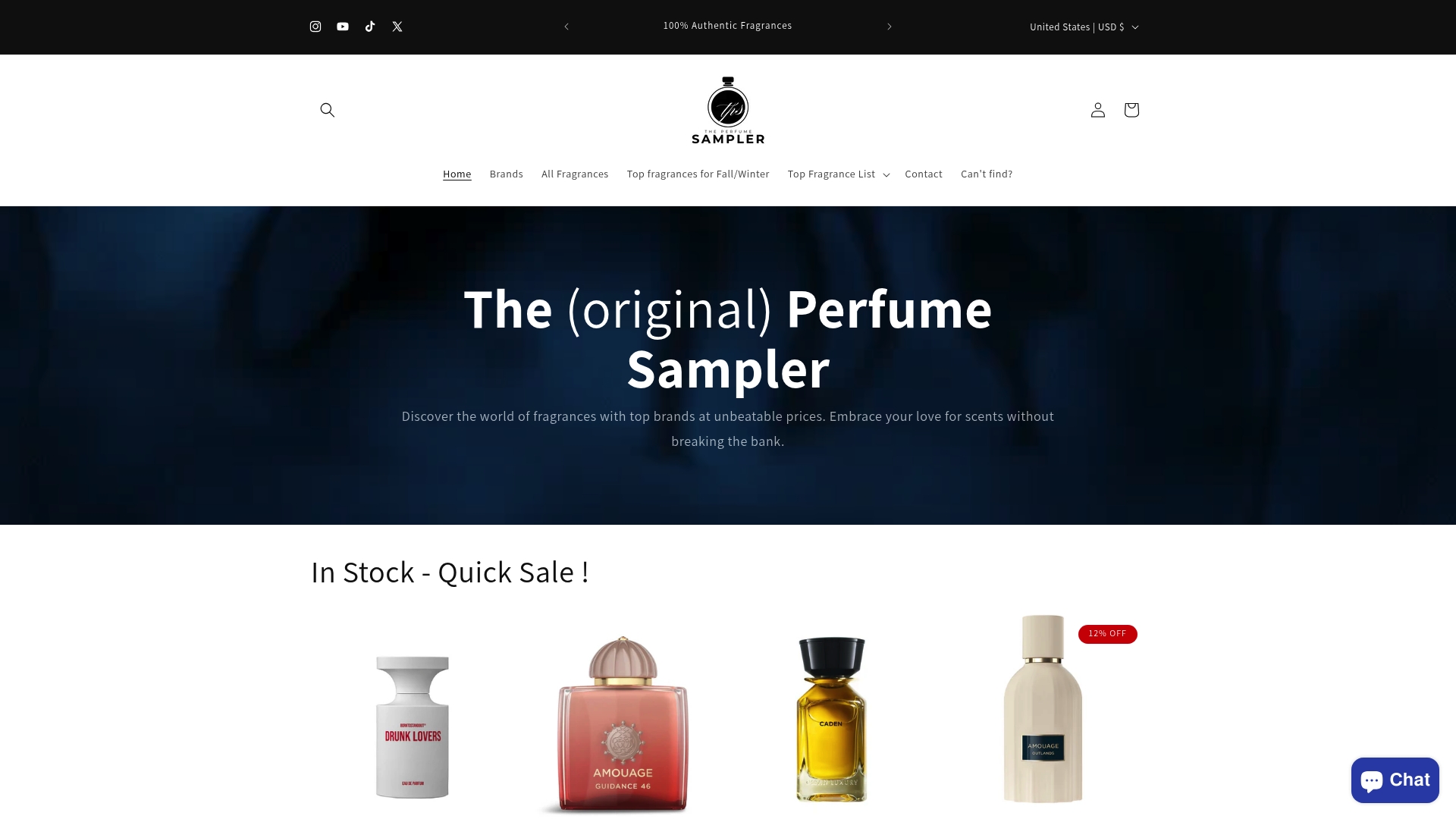
Theperfumesampler sells high-end designer and niche fragrance decants in sizes of 2ml, 3ml, 5ml, and 10ml. For students building a scent wardrobe on a budget, this is the most practical approach available. You can try several options, find what suits your campus life, and only invest in a full bottle when you are certain. Read more about why decants make sense before spending on a full bottle. Full bottles of designer fragrances are also available through the site for when you are ready to commit.
FAQ
What type of fragrance is best for daily campus wear?
Light, fresh, or aquatic fragrances are best suited for daily campus wear. They project at a low to medium level and are unlikely to overwhelm others in shared spaces like lecture halls and libraries.
How many sprays of perfume should I use in college?
Two to three spritzes on pulse points is enough for daytime lectures and shared spaces. Add one or two more for evening socials where stronger projection is more acceptable.
Does moisturising really help fragrance last longer?
Yes. Applying unscented lotion to pulse points before spraying gives the fragrance something to cling to, which extends how long it lasts on the skin throughout the day.
How do I find my signature scent as a student?
Spray the fragrance on your wrist and wait a full 30 minutes before deciding. What you smell immediately, the top notes, fades quickly. Your skin chemistry determines how the fragrance smells after that initial period.
Are fragrance samples worth it for students on a budget?
Absolutely. Decants and samples let you wear a fragrance for a full day before committing to a full bottle. Given that designer fragrances can cost £60 to £120 or more, sampling first is the most cost-effective way to build a scent wardrobe.
Recommended
- Work professional fragrance guide: select, sample and impress – ThePerfumeSampler
- The best workplace perfumes for everyday office wear – ThePerfumeSampler
- Luxury fragrance for the office: your 2026 guide – ThePerfumeSampler
- Perfume types for youth: your guide to affordable scents – ThePerfumeSampler