
Limited edition fragrances: your guide to affordable exploration
75% of enthusiasts are more drawn to perfumes labelled as limited edition, yet many fragrance lovers feel priced out before they even get a chance to try one. The idea that exclusive scents are only for those with deep pockets is a common assumption, but it does not have to be your reality. This article breaks down exactly what limited edition fragrances are, why brands create them, and how you can experience them without overspending. Whether you are a seasoned collector or simply curious about a bottle you spotted online, you will find practical, straightforward guidance here.
Table of Contents
- What is a limited edition fragrance?
- Why brands release limited editions
- How limited editions are produced and certified
- Who buys limited editions (and why)?
- How to experience limited edition scents affordably
- What to watch out for: hype, authenticity, and value traps
- Trends: limited editions and the sampling movement
- Where to start your limited edition journey
- Frequently asked questions
Key Takeaways
| Point | Details |
|---|---|
| Scarcity drives appeal | Small batches and time-limited launches create buzz and exclusivity in limited edition fragrances. |
| Sampling saves you money | Trying samples or decants before buying full bottles helps avoid costly mistakes and lets you experience real exclusivity. |
| Not all hype is real | Stay vigilant for artificial scarcity and always check authenticity to protect your investment. |
| Trends support access | Sampling services and discovery sets let more people explore limited editions affordably and confidently. |
What is a limited edition fragrance?
Limited edition fragrances are perfumes produced in deliberately small quantities or for a finite period of time. Once the stock is gone, it is gone. That simple fact is what drives so much of the excitement around them.
Brands use limited editions for a range of purposes. Marketing, testing, collaborations, events, and special packaging are all common motivations. A house might release a limited edition to mark an anniversary, celebrate a seasonal theme, or trial a bold new direction before committing to a permanent line.
Key characteristics of limited edition fragrances often include:
- Special or collectible bottle designs not found in the standard range
- Rare or unusual ingredients sourced specifically for the release
- Unique storytelling tied to a place, person, or moment in time
- Numbered units or certificates of authenticity
- Restricted retail availability, sometimes exclusive to certain stockists
Well-known examples include Chanel’s seasonal Les Eaux collection and niche indie releases from houses such as Imaginary Authors, where each fragrance tells a distinct narrative. Exploring the types of fragrance samples available is one of the best ways to access these releases without committing to a full bottle.
Why brands release limited editions
Knowing what defines a limited edition scent, let us explore why brands invest in these special launches. The motivations are more strategic than many shoppers realise.
- Marketing and buzz creation — A limited release generates press coverage, social media conversation, and consumer urgency that a standard launch rarely achieves.
- Market testing — Brands use limited editions to gauge consumer response to new ingredients, formats, or directions before a full commercial rollout.
- Collaborations — Co-branding with artists, designers, or celebrities adds cultural relevance and attracts new audiences.
- Anniversary and milestone events — Celebrating a brand’s heritage through a special release reinforces identity and loyalty.
- Showcasing creativity — Perfumers use limited editions as a canvas for experimentation, free from the commercial constraints of a permanent line.
- Seasonal storytelling — Summer, winter, or holiday editions connect a scent to a specific mood or moment.
Limited editions create buzz and increase desirability in ways that standard releases simply cannot replicate. The psychology is straightforward: scarcity signals value. When something is available for a short time only, people pay attention.
“Brands use limited editions for marketing, testing new scents, collaborations, anniversaries, or seasonal themes, often with unique packaging, rare ingredients, or storytelling.” — Fragrance education guide
For a broader look at how this plays out across the market, our guide to top designer fragrances covers some of the most notable releases in recent years.
How limited editions are produced and certified
Now that we understand the strategy, it is important to learn how actual exclusivity is created and guarded in the fragrance industry.
Production uses small batches, ranging from micro-batches for indie houses to several thousand units for luxury brands. The scale varies enormously, and so does the level of true scarcity.
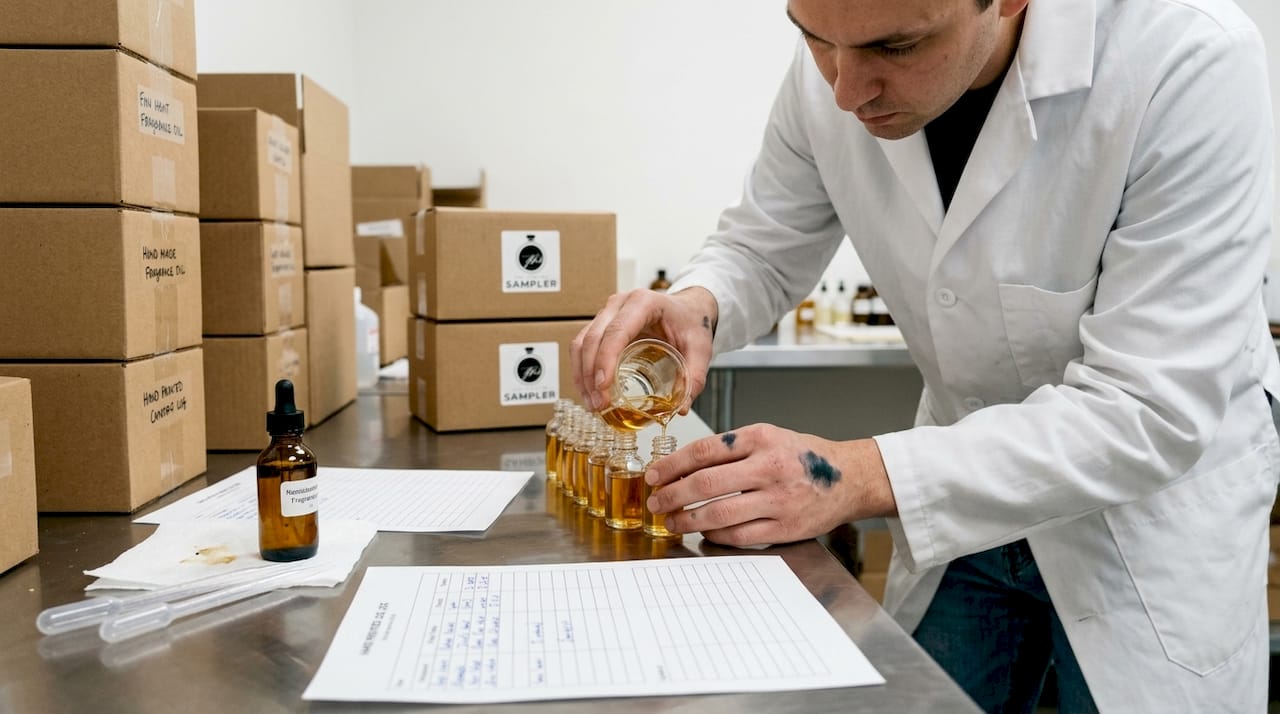
Scarcity tends to fall into tiers:
| Tier | Typical batch size | Authentication method |
|---|---|---|
| Ultra-rare (indie) | Under 500 units | Hand-numbered, signed certificate |
| Luxury limited | 1,000 to 10,000 units | Numbered bottle, batch code |
| Promotional limited | 10,000 or more | Standard batch code only |
Authentication markers to look for include numbered bottles, official certificates of authenticity, and verifiable batch codes. Not all scarcity is equal, though. A promotional run of 50,000 units labelled “limited” carries far less genuine rarity than a hand-numbered indie release of 300 bottles. Understanding the difference between rarity versus scarcity is essential before making any purchase decision.
Pro Tip: Always check the batch code of any limited edition purchase using a reputable batch code checker. This confirms production date and authenticity before you commit.
If you enjoy wearing multiple scents together, our guide on how to layer fragrances pairs well with exploring limited edition releases.
Who buys limited editions (and why)?
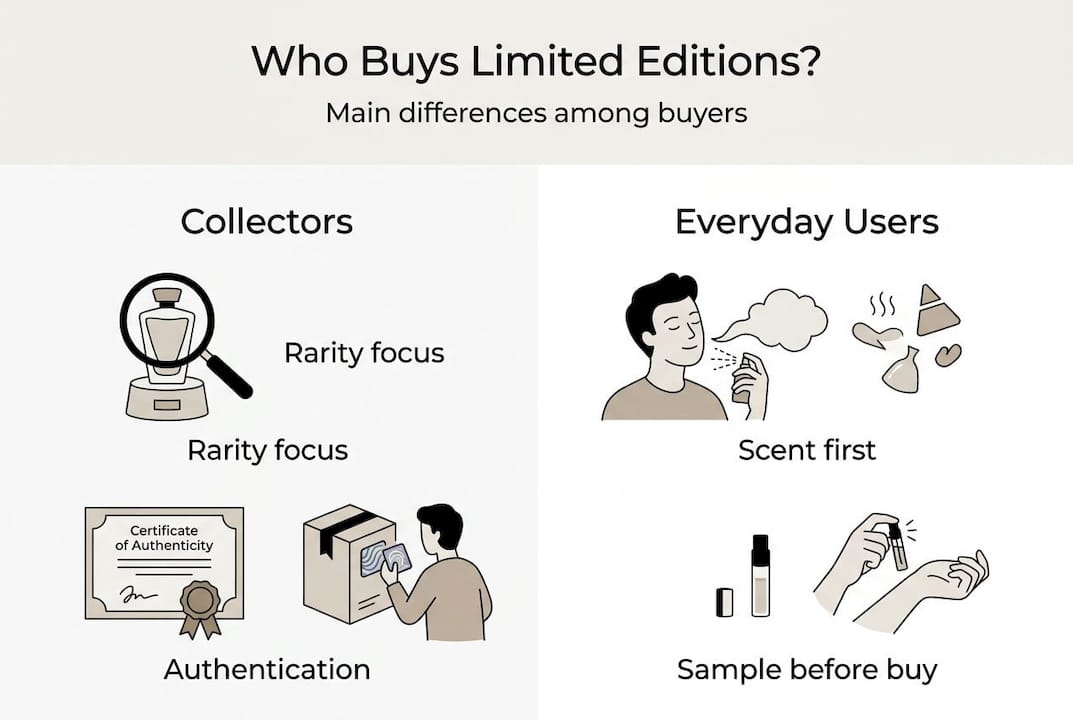
But who actually buys these coveted bottles, and what differentiates a collector from the everyday fragrance lover?
88% of buyers prioritise scent over brand name, and between 40% and 60% prefer to sample before committing to a full purchase. That tells us a great deal about what buyers actually want: the experience first, the ownership second.
| Buyer type | Primary motivation | Typical approach |
|---|---|---|
| Collector | Exclusivity, investment, resale potential | Buys full bottles, seeks numbered editions |
| Enthusiast | Unique olfactory experience, curiosity | Samples widely, selects favourites |
| Casual shopper | Affordable access, avoiding blind buys | Prefers samples or travel sizes |
Motivations vary considerably across these groups:
- Collectors treat limited editions as assets, tracking resale values and seeking numbered or certified bottles.
- Enthusiasts are driven by the thrill of discovering something unusual, often exploring designer fragrances for men and niche releases side by side.
- Casual shoppers simply want to avoid spending a significant sum on a scent they may not enjoy wearing daily.
Understanding which category you fall into helps you make smarter decisions about how and what to buy.
How to experience limited edition scents affordably
Having identified who values limited editions, the next step is discovering methods to try them without breaking the bank.
Between 40% and 60% of buyers prefer to sample before committing, and affordable sampling solutions allow far wider access to even the most exclusive releases. Here is a practical approach:
- Start with official samples — Some brands include samples with purchases or sell them directly. These are always authentic and a reliable starting point.
- Use third-party decant services — Reputable services offer affordable scent trials in sizes from 2ml to 10ml, giving you a genuine wearing experience.
- Try travel sprays — Some limited editions are released in smaller travel formats, which cost less and are easier to find.
- Order decants from trusted sellers — Look for sellers who confirm authenticity and provide clear sourcing information.
- Revisit the scent over several days — A single spray on your wrist is not enough. Wear it in different conditions to understand how it performs on your skin.
Pro Tip: Try a sample on two or three separate occasions before deciding. Fragrance changes with temperature, humidity, and even your diet. One wearing rarely tells the full story.
Our perfume sampler range covers a wide selection of limited edition and niche releases in sample sizes, making it straightforward to explore without overspending.
What to watch out for: hype, authenticity, and value traps
Once you have found ways to enjoy limited editions, it is vital to keep your investment and enjoyment safe from common pitfalls.
Not all scarcity retains value. Promotional runs labelled as limited editions often depreciate quickly once the initial hype fades. Artificial scarcity is a real tactic, and it can lead buyers towards poor decisions driven by urgency rather than genuine desire.
Common pitfalls to avoid:
- FOMO-driven purchases — Buying because something is “almost gone” rather than because you love the scent.
- Unverified sellers — Dupes and counterfeits are common in the limited edition market. Always buy from reputable sources.
- Assuming all limited editions appreciate — Most do not. Only truly rare, collector-grade releases tend to hold or grow in value.
- Skipping authentication checks — Batch codes and certificates exist for a reason. Use them.
“Artificial hype can lead to dupes and poor value; always verify fragrance authenticity and resale before purchasing.”
For a curated list of releases that have stood the test of time, our guide to fragrances still relevant in 2026 is a useful reference.
Trends: limited editions and the sampling movement
Finally, let us put these trends in perspective and see how the landscape is changing in favour of curious and discerning fragrance lovers.
75% of enthusiasts are more drawn to labelled limited editions, and beauty sampling has become a mainstream part of the purchasing journey. The industry has responded. Brands that once resisted sampling are now embracing it as a route to conversion and loyalty.
Key trends shaping the limited edition sampling movement:
- Discovery sets — Curated collections of samples from a single house or across multiple brands, often including limited releases.
- Subscription sampling services — Monthly or quarterly boxes that include access to new and limited edition scents before they sell out.
- Decant-friendly launches — Some brands now release limited editions in smaller formats specifically to meet sampling demand.
- Community-driven discovery — Online fragrance communities share decants and reviews, making rare scents more accessible than ever.
This shift benefits you directly. Whether you are exploring niche fragrances for women or searching for niche fragrances for men, the sampling movement means you no longer have to choose between exclusivity and affordability.
Where to start your limited edition journey
Ready to explore? The good news is that experiencing limited edition fragrances does not require a large budget. Our perfume sampler options give you access to a wide range of high-end niche and designer scents in sizes from 2ml to 10ml. You can try before you commit, or simply enjoy luxury fragrances without paying luxury prices.
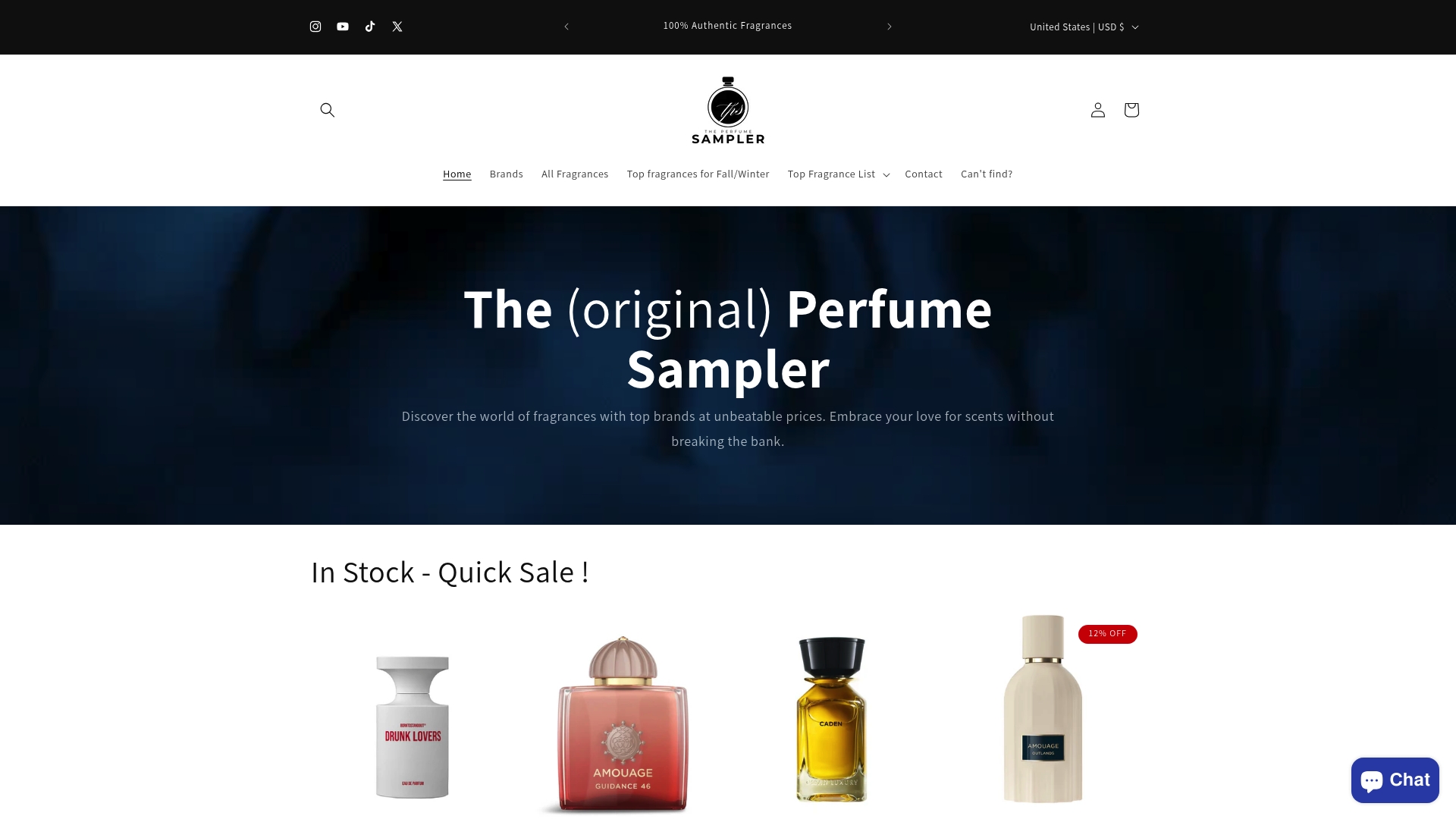
If you are looking for a specific starting point, our Dior Sauvage Elixir sample is one of the most popular choices for those new to sampling premium releases. Every sample we sell is 100% authentic, sourced directly from genuine full bottles. It is a straightforward, reliable way to begin exploring the world of limited edition and luxury fragrances on your own terms and at a price that makes sense.
Frequently asked questions
How can I tell if a limited edition fragrance is authentic?
Check for batch codes, original packaging, and official certificates of authenticity. Only buy from reputable sellers who can confirm the source of their stock.
Do limited edition fragrances keep their value?
Most promotional editions depreciate over time once the initial hype fades. Only genuinely rare, collector-grade releases tend to hold or increase in value.
Are samples available for all limited edition scents?
Not always, but many reputable sampling services and some brands offer official or decanted samples for select limited editions, making access far more achievable.
What is the best way to try before owning a full bottle?
Order official or third-party decants so you can wear the fragrance in real conditions. 40% to 60% of buyers prefer this approach before committing to a full purchase.
Do limited editions use different ingredients from regular versions?
Often yes. Brands use rare notes and sometimes adjust the formula specifically to differentiate a limited release from the standard version.