

Gourmand fragrances: definition, history and tasting tips
Not every sweet perfume is a gourmand. That distinction matters more than most people realise. Gourmand fragrances) are built around synthetic edible notes such as vanilla, chocolate, honey, caramel, praline, coffee, and tonka bean, creating scent experiences that genuinely evoke desserts and food rather than simply smelling pleasant or floral. They occupy a unique corner of perfumery, one that rewards curiosity. This article covers what makes a fragrance truly gourmand, where the category came from, how it differs from other scent families, and how you can explore it affordably using samples and decants before spending on a full bottle.
Table of Contents
- What makes a fragrance ‘gourmand’?
- The history and evolution of gourmand fragrances
- Gourmand versus other fragrance families: what sets them apart?
- Modern gourmand styles: light, versatile and year-round options
- How to explore gourmand fragrances: tasting, layering and practical sampling
- Try gourmand fragrances with affordable samples
- Frequently asked questions
Key Takeaways
| Point | Details |
|---|---|
| Edible notes define gourmands | Gourmand perfumes stand out due to dessert-like aromas from ingredients such as vanilla, chocolate or caramel. |
| Distinct from sweet perfumes | Sweet fragrances may be floral or fruity, but gourmands specifically evoke food and desserts. |
| Modern styles suit all seasons | Neo-gourmands are lighter, blendable, and worn comfortably year-round. |
| Sampling is key to discovery | Trying affordable samples lets you find your ideal gourmand scent without costly mistakes. |
| Layer for unique results | Blend gourmand notes with citrus or florals to build your signature scent and avoid oversweetness. |
What makes a fragrance ‘gourmand’?
Having recognised the appeal of edible scents, it is important to understand exactly what qualifies as gourmand and where these perfumes fit in the fragrance landscape.
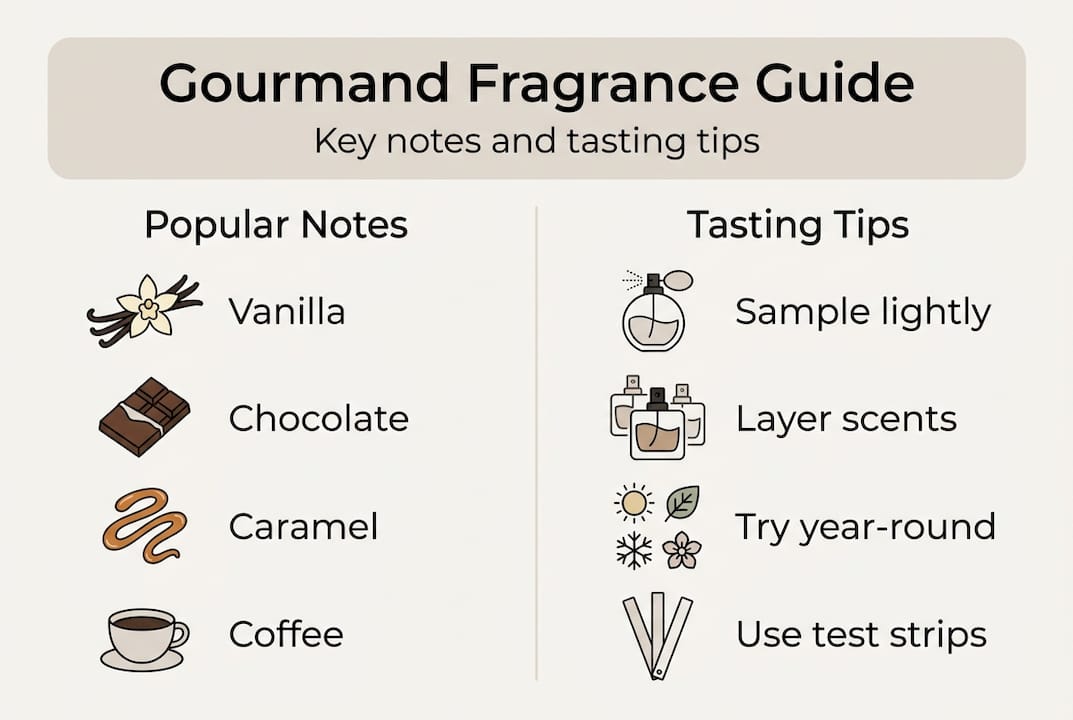
A gourmand fragrance is defined by its edible character. It is not simply about sweetness. A perfume can smell sweet because of fruity or floral notes and still have nothing to do with food. True gourmands, by contrast, evoke dessert-like scents) with notes such as vanilla, chocolate, caramel, and coffee at their core. The edible quality is intentional and central, not incidental.
Here are the most common edible notes found in gourmand perfumes and what each one contributes:
- Vanilla: Warm, creamy, and slightly powdery. The most widely used gourmand note.
- Chocolate: Rich and indulgent, often paired with woods or spice for depth.
- Caramel: Buttery and sweet, with a slightly smoky edge when well-crafted.
- Coffee: Roasted and bitter-edged, adding complexity and contrast.
- Honey: Warm and animalic, bridging gourmand and oriental territory.
- Praline: Nutty and sweet, often used to add texture to a composition.
- Tonka bean: Almond-like and coumarin-rich, providing a soft, warm base.
The table below shows how these notes compare in terms of intensity and typical use:
| Note | Intensity | Typical role in composition |
|---|---|---|
| Vanilla | Low to medium | Base note, adds warmth |
| Chocolate | Medium to high | Heart or base, adds richness |
| Caramel | Medium to high | Heart note, adds sweetness |
| Coffee | Medium | Heart note, adds contrast |
| Honey | Medium | Heart or base, adds depth |
| Praline | Medium | Heart note, adds texture |
| Tonka bean | Low to medium | Base note, adds softness |
Gourmand fragrances also differ from oriental perfumes, which lean on resins, spices, and incense rather than food-specific notes. The two families can overlap, but the edible quality is what separates a true gourmand from a spiced oriental.
Pro Tip: If you are new to gourmands, start with a vanilla fragrance example rather than jumping straight into heavy caramel or buttery blends. Vanilla is the most approachable entry point and gives you a clear sense of the category without overwhelming your senses.
The history and evolution of gourmand fragrances
Now that the defining features are clear, let us explore how gourmand fragrances became a major trend and continue to evolve.
The gourmand category as we know it today was born in the early 1990s. Thierry Mugler’s Angel), launched in 1992, is widely credited as the first modern gourmand, evolving the category from simple sweet desserts to sophisticated blends incorporating florals, woods, and spices. It was a radical departure from the clean, aldehydic perfumes that had dominated the previous decades. The industry took notice.
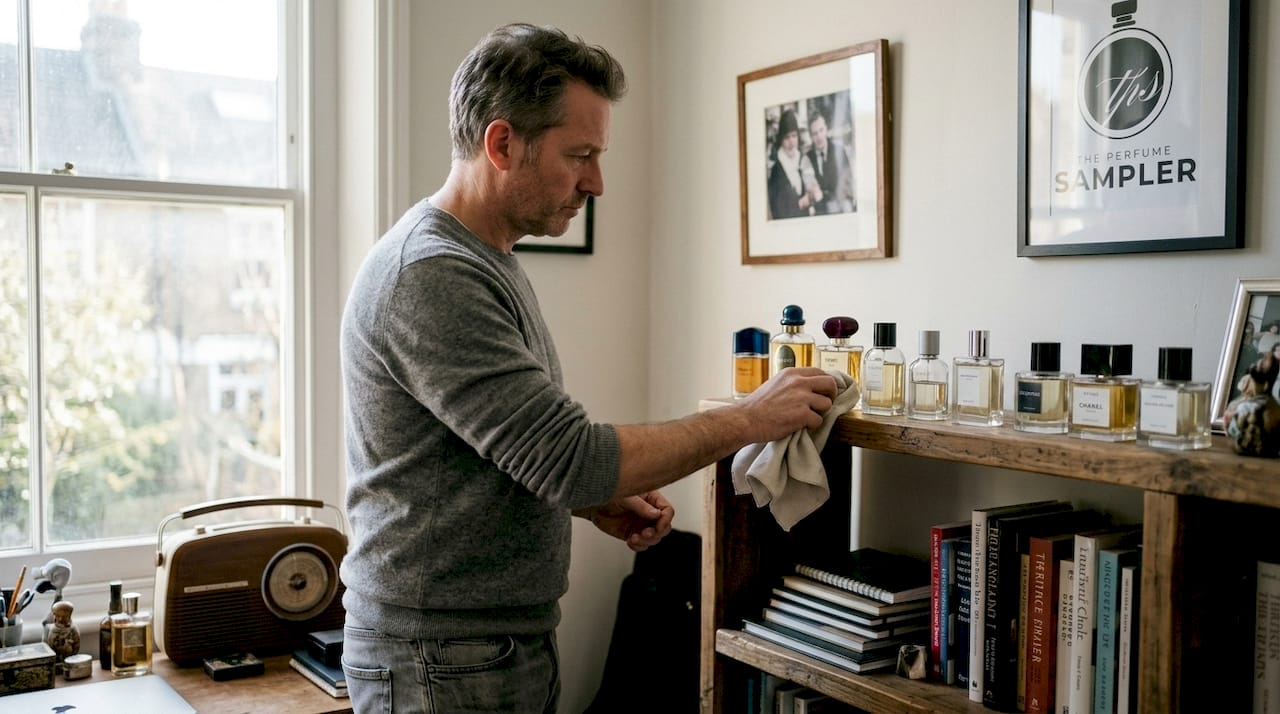
The gourmand fragrance history shows a clear arc from novelty to mainstream acceptance. Through the late 1990s and 2000s, brands began releasing their own edible-inspired scents, and the category grew rapidly. By the 2010s, neo-gourmands had emerged, blending traditional edible notes with unexpected contrasts like salt, smoke, or citrus.
The table below compares classic gourmand launches with modern neo-gourmand releases:
| Fragrance | Year | Core notes | Why it stands out |
|---|---|---|---|
| Angel by Thierry Mugler | 1992 | Chocolate, caramel, patchouli | First modern gourmand; bold and polarising |
| Hypnotic Poison by Dior | 1998 | Almond, vanilla, musk | Softer, more wearable gourmand approach |
| Black Opium by YSL | 2014 | Coffee, vanilla, white flowers | Brought gourmand notes to a younger audience |
| Baccarat Rouge 540 by MFK | 2015 | Saffron, ambergris, cedar | Neo-gourmand with mineral and woody contrast |
As one fragrance commentator noted, modern neo-gourmands are no longer limited to cold-weather wear. They blend contrasting elements that make them genuinely versatile across seasons and occasions. Understanding perfume performance history also helps explain why some gourmands project boldly while others stay close to the skin.
It is also worth noting that not all sweet fragrances are gourmand. Sweet can mean floral or fruity, and those categories have their own distinct identities. The gourmand label specifically implies food and dessert notes.
Gourmand versus other fragrance families: what sets them apart?
Understanding the history brings us to the key question of how gourmands differ from similar sweet or exotic scents.
The confusion between gourmand and other fragrance families is common, particularly with sweet, floral, and oriental perfumes. The distinction is straightforward once you know what to look for. Sweet fragrances can be floral or fruity, whereas gourmands specifically evoke edible food and dessert. A peach-forward fruity floral is sweet but not gourmand. A vanilla and caramel base with coffee is gourmand.
Here is a quick breakdown of each family:
- Gourmand: Vanilla, chocolate, caramel, coffee, tonka bean. Smells like food or dessert.
- Sweet/fruity: Peach, raspberry, apple, lychee. Smells like fruit, not food.
- Floral: Rose, jasmine, peony, iris. Smells like flowers, may have sweet undertones.
- Oriental: Amber, incense, resins, spices. Warm and exotic, but not food-like.
- Woody: Sandalwood, cedar, vetiver. Earthy and dry, occasionally sweet but not edible.
Industry estimates suggest that gourmand and oriental fragrances together account for a significant share of the global fine fragrance market, with gourmands particularly strong in the mass-market and niche designer segments. Their broad appeal across age groups and genders has made them one of the fastest-growing categories in modern perfumery.
When shopping or sampling, look for the word gourmand in the fragrance family description, or check the listed notes for edible ingredients. If the notes include vanilla, caramel, chocolate, or coffee in a prominent role, you are almost certainly looking at a gourmand.
Modern gourmand styles: light, versatile and year-round options
With these distinctions made, it is important for enthusiasts and casual users to discover how modern gourmands offer accessibility, wearability, and diverse opportunities.
Modern neo-gourmands are versatile, blending contrasting notes such as salt or citrus to create something wearable across all seasons. The heavy, cloying dessert scents of the 1990s are no longer the only option. Today’s gourmand landscape includes light, airy compositions that work just as well in summer as they do in winter.
Here are some modern gourmand styles by occasion:
- Everyday wear: Light vanilla or soft praline blends that are subtle and approachable.
- Office or professional settings: Coffee-forward or lightly spiced gourmands with woody bases.
- Evening or occasion wear: Rich chocolate, caramel, or honey-based compositions with depth.
- Summer wear: Citrus-gourmand hybrids or salted caramel blends that feel fresh rather than heavy.
For those exploring spring and summer fragrances, lighter gourmands are a practical and interesting choice. There are also excellent options within niche women’s fragrance collections and across designer fragrance trends for 2026. Men are equally well-served, with a growing range of seasonal men’s fragrances that incorporate gourmand elements without feeling overly sweet.
Pro Tip: Use a decant or sampler service to try year-round gourmands before committing to a full bottle. Wearing a fragrance on your skin across different temperatures and occasions is the only reliable way to know whether it suits you.
How to explore gourmand fragrances: tasting, layering and practical sampling
Armed with an understanding of the variety available, the next step is to confidently explore and experience gourmands yourself.
Sampling is the most practical approach. Here is a step-by-step guide to exploring gourmand fragrances without unnecessary expense:
- Start with a shortlist: Identify three to five gourmand fragrances based on notes you already enjoy, such as vanilla or coffee.
- Order sample vials or decants: A 2ml or 3ml decant gives you enough to wear a fragrance two or three times on skin.
- Test on skin, not paper: Skin chemistry changes how a fragrance develops. Paper strips only show the opening.
- Wear each sample for a full day: Gourmands often evolve significantly from top notes to dry-down. Give each one time.
- Take notes: Record what you like and dislike about each sample. This builds your fragrance vocabulary quickly.
- Layer with intention: Once you have a favourite, try layering it with a complementary scent for a personalised result.
Casual users starting with lighter gourmands avoid the common pitfall of choosing something too sweet or one-dimensional. Layering with florals or citrus can broaden the appeal of a gourmand and make it more wearable across different contexts. Our guide to fragrance layering tips covers this in detail.
For those building a professional wardrobe of scents, professional fragrance picks include several gourmand options that balance edible warmth with sophistication. The key is avoiding compositions that project too heavily in enclosed spaces.
Try gourmand fragrances with affordable samples
Having developed your tasting approach, the next logical step is to select some gourmand samples to try at home, risk-free.
At The Perfume Sampler, we offer authentic decants of high-end niche and designer gourmand fragrances in sizes of 2ml, 3ml, 5ml, and 10ml. You can explore the full fragrance sample selection and build your own tester kit without committing to a full bottle price. Every decant is 100% authentic, drawn directly from genuine bottles.
Sampling is the most reliable way to discover which gourmand fragrances suit your skin, your lifestyle, and your preferences. If you are unsure why decants are worth considering, our page on why fragrance decants matter explains the practical and financial benefits clearly. Start small, sample widely, and invest only in what you genuinely love.
Frequently asked questions
What are the most popular gourmand fragrance notes?
Vanilla, chocolate, caramel, coffee, honey, praline, and tonka bean are the most common edible notes in gourmands). These ingredients are typically synthetic and designed to evoke specific dessert or food experiences.
Can I wear gourmand fragrances in the summer?
Yes. Modern neo-gourmands blend lighter notes such as salt or citrus, making them suitable for year-round wear including warmer months. Avoid heavy caramel or chocolate-dominant compositions in high heat.
How are gourmand fragrances different from sweet perfumes?
Gourmands specifically evoke food and dessert, while sweet perfumes may be floral or fruity without any edible character. The distinction lies in the nature of the notes, not just the level of sweetness.
Is it better to sample gourmand perfumes before buying a full bottle?
Sampling with decants or vials is strongly recommended. Gourmand fragrances can smell very different on skin compared to a paper strip, and skin chemistry significantly affects how edible notes develop over time.
Who should try gourmand fragrances?
Anyone drawn to comforting, warm, or edible-inspired scents will find something to enjoy in the gourmand category. They are particularly well-suited to those who already enjoy vanilla, chocolate, or coffee-based products in everyday life.
Recommended
- Discover fragrance houses: Sampling designer scents affordably – ThePerfumeSampler
- Discover types of fragrance samples for affordable trials – ThePerfumeSampler
- How to layer fragrances for a unique signature scent – ThePerfumeSampler
- Limited edition fragrances: your guide to affordable exploration – ThePerfumeSampler