
Defining luxury fragrances: what truly sets them apart?
TL;DR:
- Most luxury perfumes justify their high price through oil concentration, longevity, and craftsmanship.
- Many expensive fragrances fail performance tests, and price is not a reliable quality indicator.
- Sampling with decants is the best way to explore and find personal luxury fragrances affordably.
Most people assume that a higher price tag means a better perfume. That assumption costs fragrance lovers a great deal of money. Only 7 out of 47 tested luxury perfumes actually justified their price through real performance. That is a striking figure. Whether you are a seasoned enthusiast or a student exploring high-end scents for the first time, understanding what genuinely defines luxury in fragrance will save you money and sharpen your nose. This guide breaks down the real markers of luxury, challenges common price myths, and shows you how to experience exceptional scents without overspending.
Table of Contents
- What defines a luxury fragrance?
- Breaking the price myth: are expensive perfumes always luxury?
- Skin chemistry and performance: the personal factor in luxury scents
- Sampling and affordability: experience luxury without overspending
- A fresh perspective: why defining luxury is personal, not price-led
- Experience affordable luxury fragrances for yourself
- Frequently asked questions
Key Takeaways
| Point | Details |
|---|---|
| Luxury goes beyond price | Real luxury fragrances offer unique performance, rare materials, and expert artistry. |
| Sampling is essential | Testing samples or decants lets you experience luxury scents without expensive mistakes. |
| Skin chemistry matters | How a perfume performs depends on your own skin, not just its brand or price tag. |
| Affordable exploration | Decants and discovery sets help you find luxury favourites even on a student budget. |
What defines a luxury fragrance?
With so much confusion around price and quality, it helps to clarify what actually signals true luxury in fragrance. The answer goes well beyond the bottle design or the brand name on the label.
The most measurable marker is fragrance oil concentration. This determines how long a scent lasts on your skin and how far it projects, which is known as sillage. Luxury concentrations range from Eau de Parfum at 15 to 20 percent oil content, up to Parfum at 20 to 40 percent, enabling longevity of 8 to 14 hours or more. Designer fragrances typically sit at 5 to 20 percent, lasting around 4 to 8 hours. That gap in performance is significant and directly affects the value you receive.
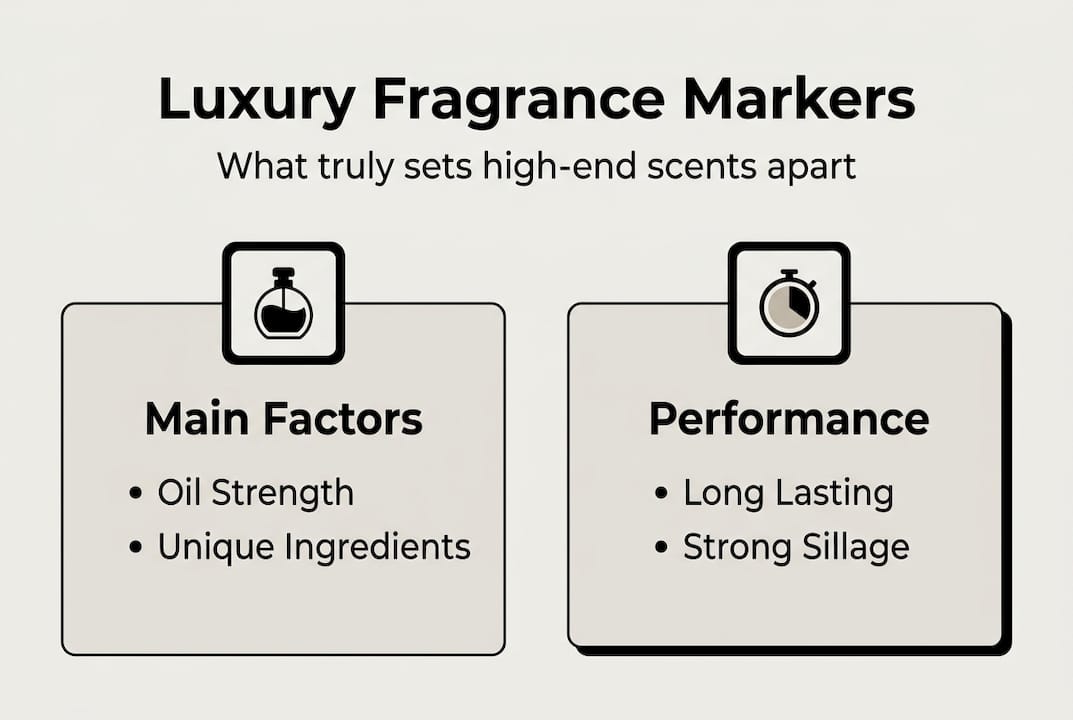
| Category | Oil concentration | Typical longevity | Sillage |
|---|---|---|---|
| Luxury/Niche Parfum | 20 to 40% | 10 to 14+ hours | Strong |
| Luxury Eau de Parfum | 15 to 20% | 8 to 12 hours | Moderate to strong |
| Designer Eau de Parfum | 10 to 20% | 4 to 8 hours | Moderate |
| Designer Eau de Toilette | 5 to 15% | 2 to 5 hours | Light to moderate |
Beyond concentration, true luxury involves craftsmanship and uniqueness. Luxury and niche houses often work with master perfumers who have spent decades refining their craft. Ingredients are sourced with care, sometimes from single regions or rare botanical species. The result is a scent that tells a story and evolves on the skin over time, moving through distinct top, heart, and base notes in a smooth, intentional way.
Here are the key markers that genuinely define a luxury fragrance:
- High fragrance oil concentration (EDP or Parfum level)
- Superior longevity and sillage on skin
- Rare or ethically sourced raw materials
- Small batch or artisanal production methods
- Distinct and complex scent evolution over time
- Minimal use of synthetic fillers to pad volume
It is worth reading a solid fragrance performance guide before spending on a full bottle. Understanding performance benchmarks helps you evaluate any fragrance objectively. You can also explore sample types for luxury scents to understand the most practical ways to test before you invest.
Not every expensive perfume meets these standards. That distinction matters enormously when you are deciding where to spend your money.
Breaking the price myth: are expensive perfumes always luxury?
Now that we understand the basics, let us address cost, which is a major sticking point for most fragrance buyers.
The pricing of luxury and niche fragrances is not arbitrary. Luxury and niche pricing typically ranges from £200 to over £800, reflecting genuine costs: rare ingredients, small production runs, and skilled perfumery. Oud, for example, is worth more per ounce than gold. Rose absolute from Bulgaria can cost thousands of pounds per kilogram. When you pay for a true luxury fragrance, part of that cost is real.
However, the uncomfortable truth is that many expensive fragrances are not luxury at all. They rely on heavy marketing budgets, celebrity endorsements, and premium packaging to justify their price. The scent itself may be composed of inexpensive synthetics with little complexity or longevity.
| Category | Price range | What you are paying for |
|---|---|---|
| Elite niche | £300 to £800+ | Rare materials, artisan craft, small batch |
| Honest luxury | £150 to £300 | Quality ingredients, strong performance |
| Overpriced mass market | £80 to £200 | Marketing, packaging, brand recognition |
The data supports this. 40 out of 47 high-priced fragrances failed independent performance testing. That is a failure rate of over 85 percent. Skin chemistry also plays a role, with performance varying by as much as 15 percent between individuals, meaning a fragrance that performs brilliantly in a review may not work the same way for you.
“Price is not a reliable proxy for quality in fragrance. Ingredients, composition, and performance are.”
Naturals are not automatically superior to synthetics either. Some of the most celebrated and long-lasting luxury fragrances use carefully chosen synthetic molecules alongside naturals. The skill lies in how they are combined. Explore how rare materials affect luxury to understand why ingredient sourcing matters but does not tell the whole story.
The practical takeaway is simple. Price is a starting point for research, not a guarantee of quality. Evaluating performance, ingredients, and composition gives you a far more reliable guide.
Skin chemistry and performance: the personal factor in luxury scents
Price is not the only variable. How a scent performs on you personally is just as important as any objective rating or review score.
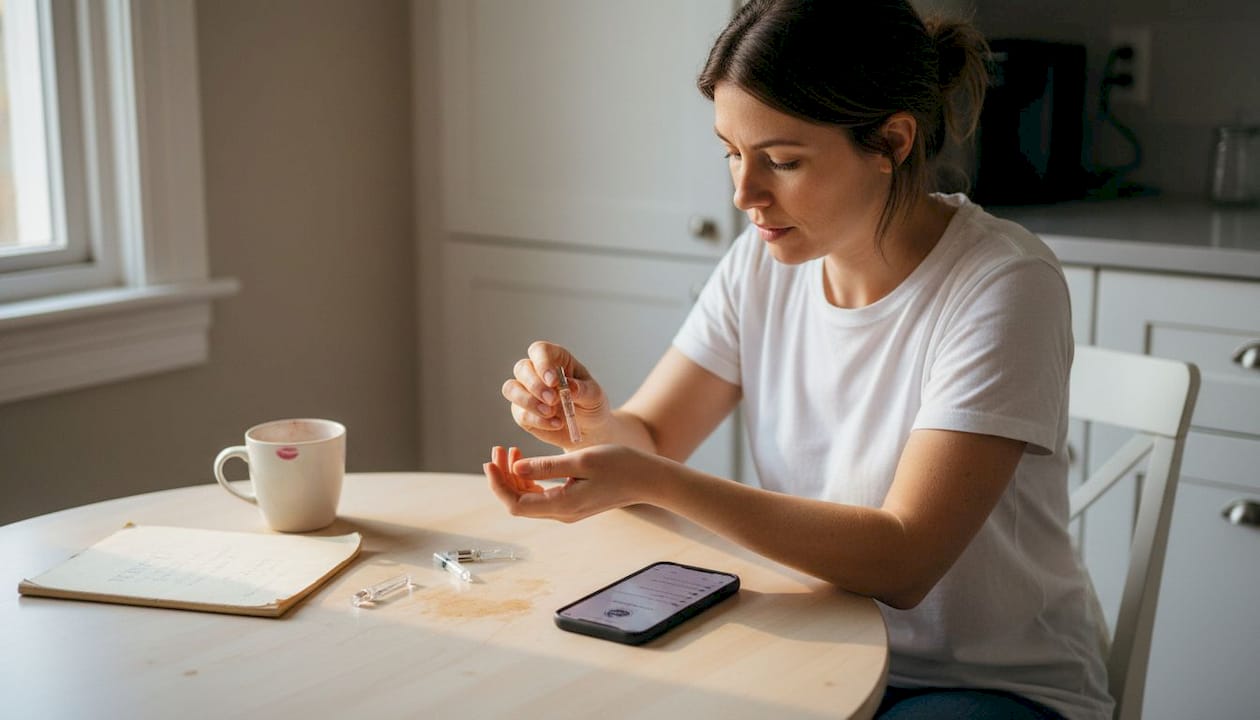
The same fragrance can smell entirely different on two people. One person might experience a rich, warm oud that lasts all day. Another might find the same bottle turns flat within two hours. This is not a flaw in the perfume. It is the result of individual skin chemistry interacting with the fragrance’s molecules.
Several factors influence how a scent performs on your skin:
- Skin type: Oily skin tends to hold fragrance longer than dry skin
- Diet and hydration: What you eat and drink affects your skin’s pH balance
- Climate and temperature: Heat amplifies projection; cold weather can suppress it
- Layering: Using a matching body lotion or unscented moisturiser first can extend longevity
- Application point: Pulse points such as the wrists, neck, and inner elbows project scent most effectively
Skin chemistry can vary fragrance performance by up to 15 percent between individuals. That is a meaningful difference when you are evaluating a £300 bottle based on someone else’s experience. Reviews are useful for understanding a fragrance’s character, but they cannot tell you how it will behave on your skin specifically.
Natural ingredients are not always the better performers either. Some naturals degrade quickly or interact unpredictably with certain skin types. A well-formulated synthetic can outperform a natural ingredient in terms of longevity and consistency. The quality of the overall composition matters more than the natural versus synthetic debate.
Pro Tip: Always apply a luxury fragrance to your pulse points and wait at least 30 minutes before evaluating it. The opening notes are just the beginning. The real character of a scent emerges in the heart and base notes, which take time to develop.
For practical advice on extending wear time, the guide on making fragrances last is worth reading. You can also find a broader breakdown in this resource on what affects perfume performance.
Sampling and affordability: experience luxury without overspending
Because individual experience matters so much, affordable testing is the most practical way to find your personal definition of luxury.
Buying a full bottle of a luxury fragrance without testing it first is a significant financial risk. A 50ml bottle of a niche fragrance can cost £250 or more. If it does not work on your skin or simply is not to your taste, that money is gone. Sampling removes that risk entirely.
Decants and samples allow testing without full commitment, which is ideal for students and enthusiasts who want to explore broadly. Focusing on performance metrics such as longevity over 8 hours and smooth scent evolution gives you a far better guide than brand reputation alone.
Here is a practical step-by-step approach to sampling luxury fragrances:
- Identify fragrances you are curious about based on scent family and reviews
- Order a 2ml or 3ml decant to test the opening, heart, and base notes
- Wear the sample on your skin for a full day before forming an opinion
- Evaluate longevity, sillage, and how the scent evolves over 6 to 8 hours
- If performance meets your standard, consider a 5ml or 10ml decant for extended testing
- Only invest in a full bottle once you are confident it works for you
This approach is especially useful for building a varied scent wardrobe. Rather than spending £300 on a single bottle, you could sample 10 to 15 different luxury fragrances for the same budget. You will learn more about your preferences and discover scents you would never have considered otherwise.
Pro Tip: Look for reliable sources that offer authentic decants in multiple sizes. The types of fragrance samples available vary widely, so knowing the difference between a decant, a tester, and a discovery set helps you choose the right format. You can also explore unique fragrance profiles across niche houses without committing to full prices. The benefits of decanting are straightforward: lower cost, lower risk, and broader exploration.
A fresh perspective: why defining luxury is personal, not price-led
After exploring the mechanics, here is a frank view that may surprise both enthusiasts and newcomers.
The fragrance industry has long used price as a shorthand for quality. But that shorthand is increasingly unreliable. Niche fragrance is growing at 12 to 13 percent compound annual growth rate, which signals a clear shift in what consumers value. People are moving away from recognisable brand names and towards individuality, complexity, and personal resonance.
This is a meaningful shift. A £40 designer fragrance that you wear every day and genuinely love delivers more real value than a £500 niche bottle that sits unused on a shelf. Luxury, in the truest sense, is about the experience it creates for you, not the price point at which it was purchased.
The most interesting fragrance wardrobes we encounter are not built around the most expensive bottles. They are built around diversity, personal discovery, and a willingness to test broadly. Sampling enables that. It levels the playing field between students on a budget and seasoned collectors. You can explore designer fragrance value and find that some of the most satisfying scents sit well within an accessible price range.
Define luxury by what it means to you, not by what the marketing tells you it should cost.
Experience affordable luxury fragrances for yourself
Ready to find your own definition of luxury? Sampling is the most direct and cost-effective route.
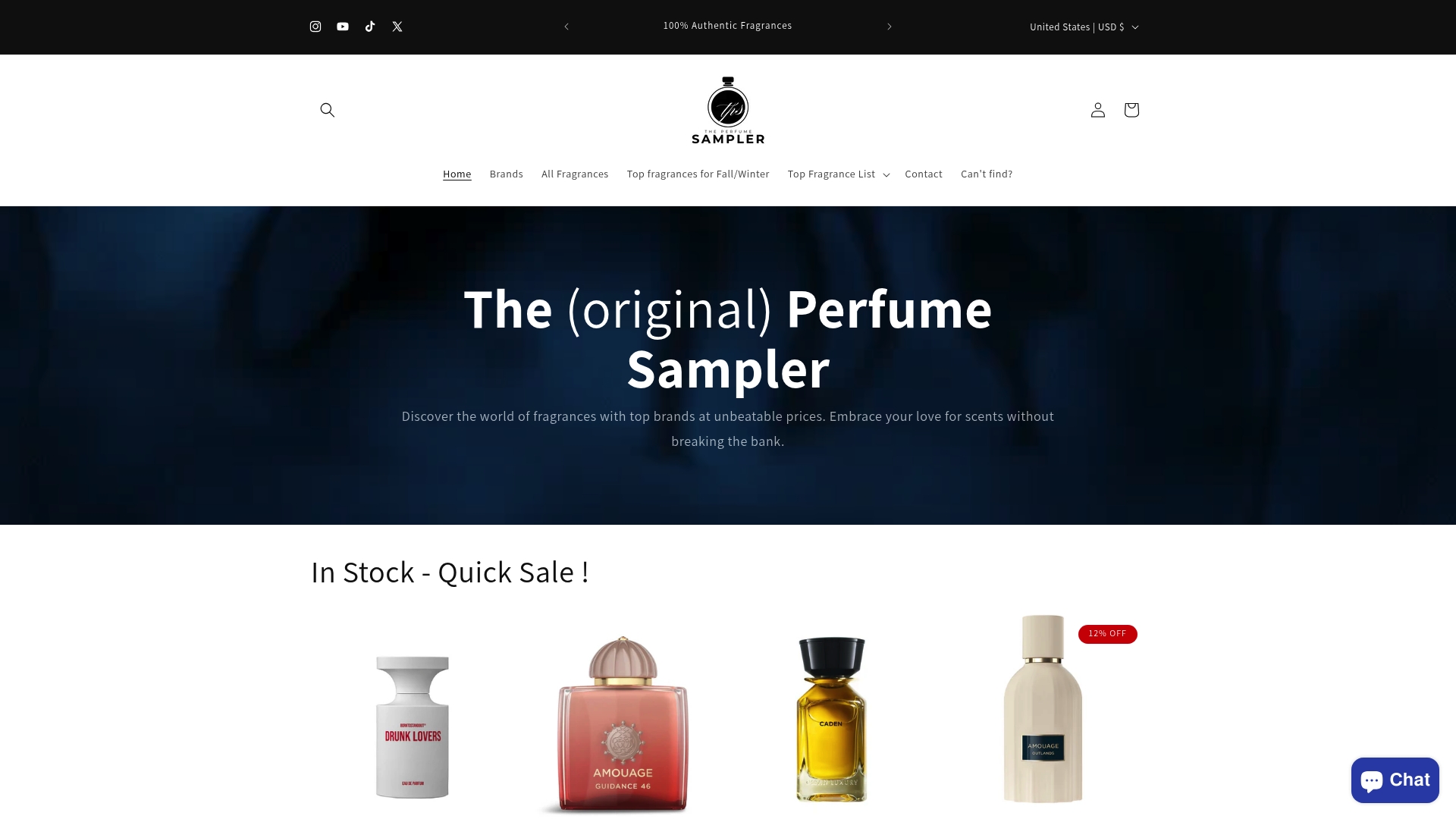
At The Perfume Sampler, we offer 100% authentic fragrance decants in sizes of 2ml, 3ml, 5ml, and 10ml. Every sample comes from a genuine full bottle, so you experience the real fragrance, not a reformulation or imitation. You can test multiple luxury and niche scents for a fraction of the cost of a single full bottle. If you want to understand why decants are the smartest way to explore, read more about the benefits of decanting. Or start with something exceptional, such as Boss Bottled Absolu, a Parfum Intense that demonstrates exactly what genuine performance and longevity feel like.
Frequently asked questions
What makes a fragrance luxury versus designer?
Luxury fragrances have higher oil concentrations, rare ingredients, and superior craftsmanship compared to most designer scents. Luxury concentrations range from 15 to 40 percent, enabling significantly longer wear time and stronger projection.
Do all expensive perfumes perform better than cheaper ones?
No, high price does not guarantee better performance. Only 7 out of 47 luxury perfumes justified their price through actual performance testing, meaning most expensive scents fail to deliver on their promise.
How can I try luxury fragrances without buying a full bottle?
You can purchase decants, testers, or discovery sets to sample luxury scents affordably before committing to a full bottle. Decants allow testing based on real performance metrics such as longevity and scent evolution, which is ideal for students and enthusiasts alike.
Does skin chemistry really change how a perfume smells?
Yes, skin chemistry varies performance by up to 15 percent between individuals, so always test a fragrance on your own skin before purchasing a full bottle.
Recommended
- Explore unique fragrance profiles: niche and affordable sampling – ThePerfumeSampler
- Limited edition fragrances: your guide to affordable exploration – ThePerfumeSampler
- Discover fragrance houses: Sampling designer scents affordably – ThePerfumeSampler
- How to make fragrances last longer: expert steps – ThePerfumeSampler
- Why Affordable Luxury Skincare Matters Today – Didis Beauty Center