
Why people collect perfumes: motivations explained
TL;DR:
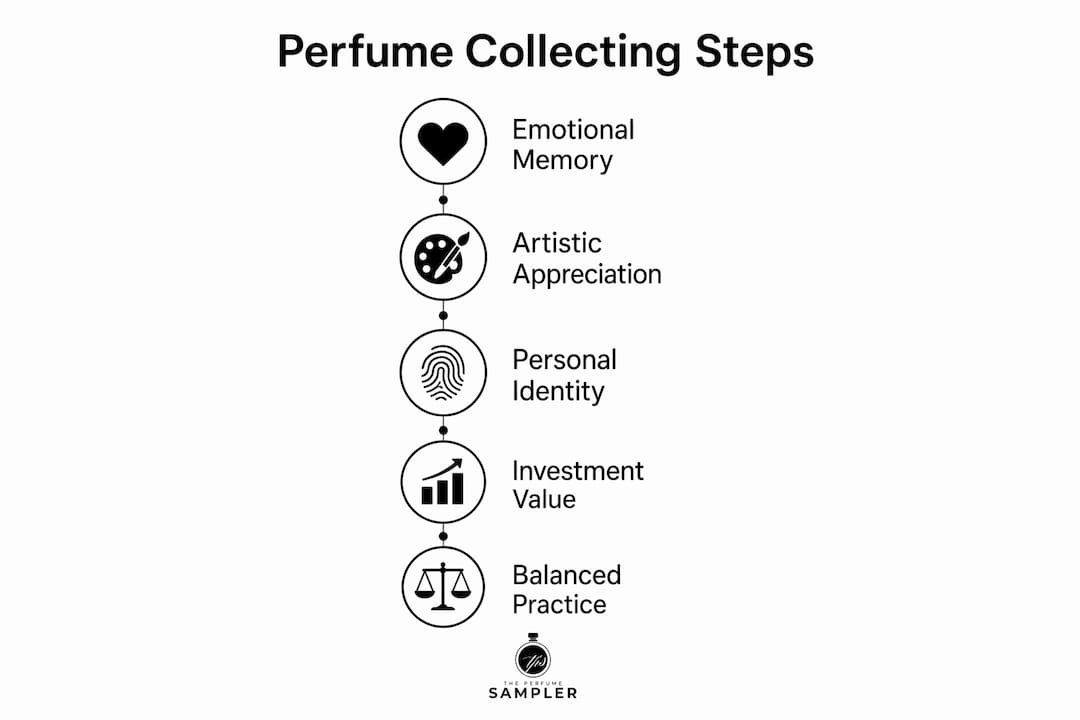
- Perfume collecting is driven by emotional memory, artistic appreciation, and the desire for personal identity.
- Collectors build meaningful libraries by testing fragrances thoroughly and understanding their cultural and sensory significance.
Perfume collecting is the practice of gathering fragrances driven by emotional resonance, aesthetic value, and sensory curiosity rather than simple acquisition. The hobby, formally known as fragrance collecting or “olfactory curation” among enthusiasts, sits at the intersection of memory, identity, and art. Collectors range from casual admirers with a dozen bottles to serious connoisseurs managing libraries of rare and discontinued scents. Communities such as Basenotes and platforms like Theperfumesampler have helped make this world more accessible, connecting people who share a genuine passion for scent.
Why do people collect perfumes?
Perfume collecting engages the brain’s memory and emotion centres more directly than almost any other sensory hobby. The olfactory system connects to the limbic system, which governs memory and emotional regulation. This is why a single spritz can transport you instantly to a specific moment, person, or place. That neurological shortcut is one of the most powerful reasons people build fragrance collections.
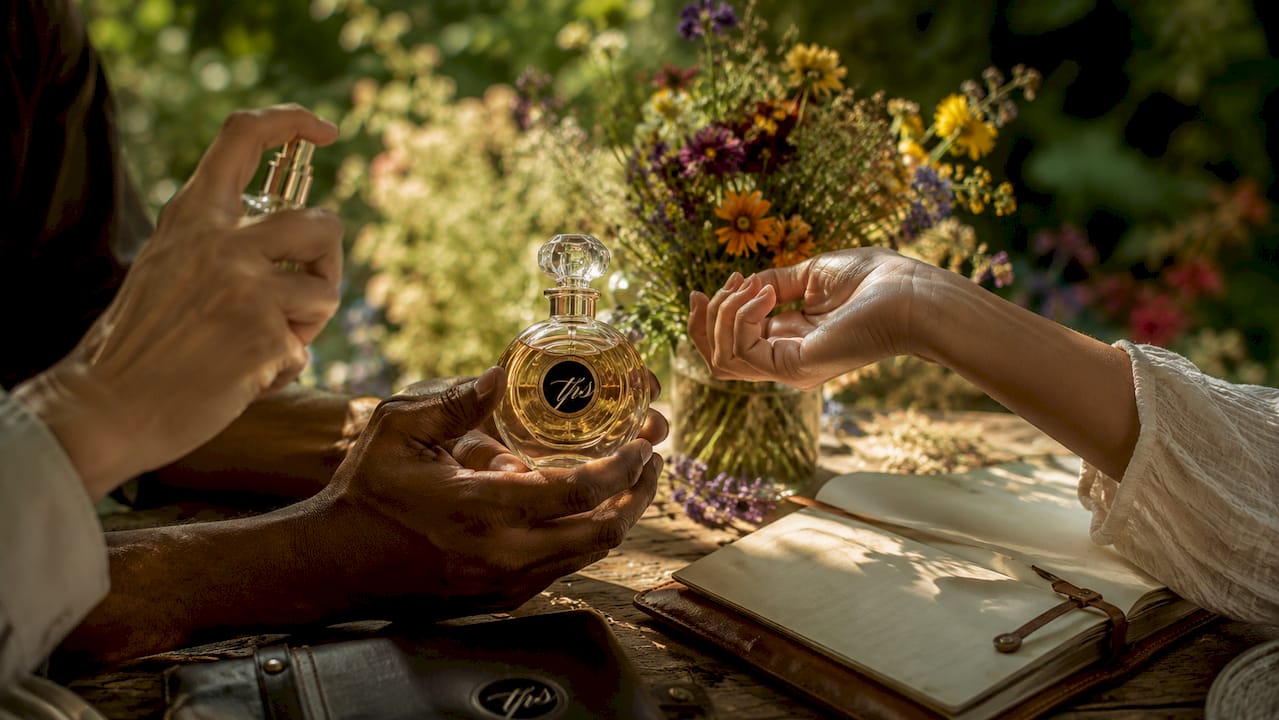
The motivations behind collecting are rarely about ownership alone. Collectors describe their bottles as a personal archive. Each fragrance marks a chapter: a holiday, a relationship, a period of personal growth. This emotional cataloguing gives the hobby a depth that separates it from impulse purchasing.
Fragrance also functions as a confidence tool. Wearing a scent that feels right for the day can shift mood and self-perception. Collectors who rotate their fragrances by occasion or emotional state report a stronger sense of personal identity. The collection becomes a wardrobe for the senses, not just a shelf of bottles.
What psychological factors drive perfume collector motivations?
The psychology of collecting is well documented across hobbies, and fragrance is no exception. Passion enriches life through appreciation, while obsession involves impulse buying and emotional dependence. The distinction matters because it shapes how collectors approach their hobby and whether it adds genuine value to their lives.
Several psychological drivers consistently appear among collectors:
- Nostalgia and memory. Scent is the sense most tightly linked to autobiographical memory. Collectors often seek out fragrances that recreate specific emotional states or past experiences.
- Identity expression. A curated collection communicates personality, taste, and cultural awareness without a single word.
- Mood regulation. Choosing a fragrance to match or shift a mood is a deliberate act of emotional self-management.
- Aesthetic pleasure. The artistry of a well-composed fragrance, its structure of top, heart, and base notes, rewards attention and study.
- Community belonging. Fragrance forums, swap groups, and collector events create social bonds around a shared passion.
Pro Tip: If you find yourself buying bottles you never open, treat that as a signal to slow down. Healthy collecting means wearing and appreciating what you own, not just accumulating.
Collector behaviour is a more reliable indicator of whether collecting is healthy than the size of the collection itself. A person with 200 bottles who wears them thoughtfully is in a very different position from someone with 20 who buys compulsively to fill an emotional gap. Recognising that difference is the first step to collecting with intention.
How do artistry and sensory appreciation shape fragrance collecting?
Perfume is olfactory art. A skilled perfumer, known in the industry as a “nose,” composes a fragrance the way a musician arranges a score. Each ingredient, from Bulgarian rose absolute to Haitian vetiver, plays a specific structural role. Collectors who understand this craft approach each bottle as a work to be studied, not just worn.
Sensory appreciation drives collectors toward increasingly specific preferences over time. Many start with mainstream designer releases and gradually move toward niche houses, where production runs are smaller and ingredient quality is higher. Niche fragrance brands attract collectors precisely because their scent profiles are less commercial and more artistically ambitious.
Experienced collectors develop structured habits around their libraries:
- Curate by mood and occasion. A woody, smoky fragrance suits an evening event differently from a crisp citrus worn on a summer morning.
- Rotate seasonally. Heavy musks and resins work in winter; lighter florals and aquatics suit warmer months.
- Study batch codes. Serious collectors verify batch codes to identify pre-reformulation versions of classic fragrances, which often contain now-restricted ingredients.
- Avoid olfactory fatigue. Wearing the same fragrance daily dulls perception. Rotation keeps the sensory experience fresh.
- Prioritise subtlety. Seasoned collectors often prefer intimate, skin-close scents over heavy projectors that cause olfactory fatigue in others.
Pro Tip: When evaluating a new fragrance, spray it on skin rather than paper. Skin chemistry changes the dry-down significantly, and that is what you will actually wear.
Fragrance formulas change over time due to allergen regulations set by bodies such as IFRA (the International Fragrance Association) and economic pressures on ingredient sourcing. Older formulations can differ significantly from current versions, making pre-reformulation bottles prized by serious collectors. This is where artistry and investment begin to overlap.
Why has vintage and discontinued perfume collecting become a luxury investment?
The secondary market for rare and discontinued fragrances has grown into a genuine investment space. Prices for discontinued scents have tripled in resale compared to original retail costs as of 2026. That level of appreciation rivals many traditional collectibles. The luxury resale market for perfumes was valued at £32.5 billion in 2024 and is projected to reach £50 billion by 2030.
| Driver | Effect on value |
|---|---|
| Discontinuation | Immediate scarcity drives resale prices upward |
| Reformulation | Pre-change batches become sought-after originals |
| Provenance | Documented history and sealed condition increase price |
| Niche production | Limited runs create natural rarity from launch |
| Social media attention | Viral interest accelerates demand and price spikes |
“Collectors seek fragrances experienced privately rather than displayed socially, emphasising exclusivity over visibility. The bottle is not a status symbol for an audience. It is a private sensory experience owned entirely by the collector.”
Platforms such as eBay and specialist fragrance resale communities have made price discovery easier, but they have also accelerated demand. TikTok’s fragrance community, known informally as “FragTok,” has introduced millions of new collectors to niche and vintage scents. The paradox is that social media attention drives up prices for bottles that collectors ultimately want to experience in private.
Serious vintage collectors verify batch codes to authenticate pre-reformulation bottles, a skill that takes years to develop. Provenance, storage conditions, and fill level all affect value. This expertise separates casual buyers from true connoisseurs. For those interested in high-end fragrance investment, understanding these variables is non-negotiable.
What cultural and social roles do perfumes play in identity?
Fragrance functions as a form of personal branding long before a person speaks. The scent someone wears communicates mood, cultural background, aesthetic sensibility, and social intent. This is one of the most underappreciated reasons for perfume collecting: the collection is a toolkit for self-presentation.
Collectors often describe specific fragrances as tied to places and eras. A bottle of vintage Guerlain Shalimar connects its owner to early 20th-century Paris. A Middle Eastern oud blend carries centuries of regional tradition. These cultural associations give fragrances a significance that goes well beyond their ingredients.
The social dimensions of collecting include:
- Community and exchange. Fragrance forums, decant swaps, and collector meetups create genuine friendships built around shared taste.
- Cultural education. Exploring fragrances from different regions and eras builds knowledge of history, botany, and craft.
- Ritual and routine. Many collectors describe their morning fragrance choice as a mindful ritual that sets the tone for the day.
- Memory preservation. Keeping a bottle worn during a significant life event preserves that memory in a tangible, sensory form.
Collector Leye Ojeniyi, who maintains a collection exceeding 60 bottles, describes the hobby as driven by deep personal connection rather than display. That profile is common among serious collectors. The collection is personal first, social second.
Collecting also reflects a desire to stand apart from mass-market trends. Curating an individual presence distinct from fragrances amplified by social media is a conscious act of identity formation. Choosing a fragrance no algorithm recommended requires genuine self-knowledge.
How to start and nurture a balanced perfume collection
The most effective way to begin collecting is through sampling. Buying a full bottle of an untested fragrance is the single most common mistake new collectors make. A 2ml or 5ml decant lets you live with a scent across different temperatures, moods, and occasions before committing.
Practical habits for building a collection with intention:
- Start with curiosity, not lists. Follow your own nose rather than popularity rankings. What moves you matters more than what trends.
- Use decants and discovery sets. Small formats from services like Theperfumesampler let you test widely without significant financial risk.
- Apply a “one in, one out” rule. For every new bottle added, consider whether an existing one still earns its place. This keeps the collection purposeful.
- Rotate by season and occasion. Wearing fragrances in context deepens appreciation and prevents any single bottle from feeling stale.
- Avoid buying for social approval. A fragrance that photographs well but does not resonate with you personally adds no real value to the collection.
The scent and well-being connection is well established in skincare and sensory research. Collectors who approach the hobby with this awareness tend to build more meaningful libraries. The goal is a collection that genuinely serves your emotional and aesthetic life, not one that simply looks impressive.
Key takeaways
Perfume collecting is driven by emotional memory, artistic appreciation, and the desire for personal identity, not by acquisition for its own sake.
| Point | Details |
|---|---|
| Memory is the core driver | Olfactory stimuli connect directly to emotional memory, making fragrance uniquely personal. |
| Passion differs from obsession | Healthy collecting enriches life through appreciation; compulsive buying signals a different relationship. |
| Vintage bottles hold real value | Discontinued scents have tripled in resale price, making provenance and batch knowledge essential. |
| Sampling prevents costly mistakes | Decants and small formats let collectors test before committing to full bottles. |
| Cultural identity shapes collections | Fragrances carry regional and historical significance that goes well beyond their ingredients. |
Perfume collecting: what I have learned after years with the hobby
I used to think a bigger collection meant a better one. It does not. The bottles I reach for most are the ones I tested properly before buying, the ones that genuinely fit a mood or a memory rather than a trend I read about online.
The most interesting shift I have noticed in serious collectors is a move away from performance fragrances toward intimate ones. Nobody in this hobby for the long term is chasing projection and longevity above all else. They are chasing something that feels true to them when they wear it alone.
The vintage market has changed the game in ways that are both exciting and slightly absurd. Paying four times retail for a pre-reformulation bottle because IFRA regulations removed a specific ingredient is a very particular kind of dedication. But I understand it completely. When a formula changes, something real is lost.
My honest advice: do not let the investment angle distort why you started. Collecting perfumes is worth doing because it sharpens your sensory awareness, connects you to memory and culture, and gives you a genuinely personal form of self-expression. The financial upside, if it comes, is a bonus.
— Rupesh
How Theperfumesampler supports thoughtful collecting
Theperfumesampler is built for collectors who want to explore before they commit. The service offers fragrance decants in 2ml, 3ml, 5ml, and 10ml sizes, covering both niche and designer houses. That range makes it practical to test a wide variety of scents without the cost of full bottles.
For collectors at any stage, sampling before buying is the single most effective habit to build. Theperfumesampler stocks 100% authentic fragrances, including options like BOSS Bottled Absolu Parfum Intense, giving collectors access to luxury scent profiles at accessible price points. Whether you are building your first collection or refining an existing one, starting with a decant is always the right call.
FAQ
What is the main reason people collect perfumes?
The primary driver is emotional memory. Fragrance connects to the brain’s limbic system more directly than other senses, making scent a powerful trigger for nostalgia, mood regulation, and personal identity.
How many bottles does a typical perfume collector own?
There is no standard number. Experienced collectors such as Leye Ojeniyi maintain libraries exceeding 60 bottles, but a meaningful collection can start with as few as five to ten carefully chosen fragrances.
Is perfume collecting a good investment?
Rare and discontinued fragrances have shown strong value appreciation, with some resale prices tripling since discontinuation. The luxury fragrance resale market was valued at £32.5 billion in 2024, signalling genuine financial interest in the category.
What is the difference between passion and obsession in perfume collecting?
Passion involves deliberate appreciation and sensory education. Obsession is characterised by impulse buying and emotional dependence on acquisition. The behaviour matters more than the size of the collection.
How should a beginner start a perfume collection?
Begin with decants and sample sizes to test fragrances across different conditions before purchasing full bottles. This approach reduces financial risk and builds genuine knowledge of what suits your taste.
Recommended
- Why professionals wear perfume: confidence, branding, and scent – ThePerfumeSampler
- How perfume empowers self-expression and personal style – ThePerfumeSampler
- Build a luxury fragrance collection with confidence – ThePerfumeSampler
- Why invest in high-end perfumes: scent, luxury & value – ThePerfumeSampler