
Why college students use samples: a smart scent guide
TL;DR:
- Fragrance sampling allows students to test scents over multiple days on their skin before making a full purchase, reducing financial risk and aiding confident decisions. Samples enable building personalized scent wardrobes suited to different moods and occasions, fostering genuine trust with brands through experiential confirmation. This cost-effective approach enhances fragrance discovery, prevents wasted money, and helps develop individual taste, making sampling an essential strategy for students.
Fragrance sampling is the practice of testing small, decanted vials of perfume before committing to a full bottle, and it is the primary reason college students can explore luxury scents without financial strain. Students face a genuine dilemma: designer and niche fragrances regularly cost £80 to £250 or more per bottle, yet scent is deeply personal and impossible to judge from a website description or a brief spray in a shop. Samples priced between £5 and £20 solve this problem directly. They give you real, multi-day experience on your own skin, in your own environment, before a single pound is spent on a full-size purchase.
Why college students use samples to manage fragrance choices
Choice paralysis is the single biggest obstacle students face when buying fragrance. Walk into any department store and you are confronted with hundreds of bottles, each with a paper strip that tells you almost nothing useful. Scent evolution on skin over a full day is impossible to assess from a blotter, which means retail shopping actively works against confident decision-making.
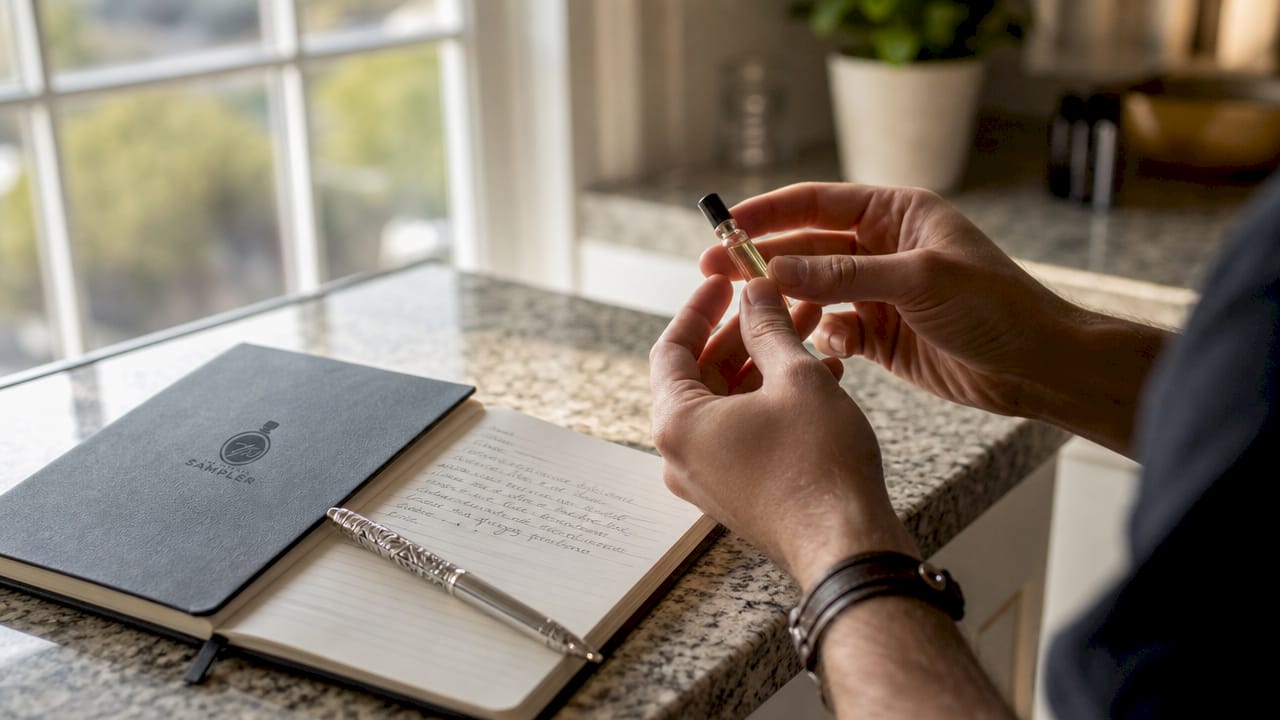
Fragrance samples in 2ml to 10ml vials change this completely. You can wear a scent to lectures, to the gym, and on a night out, noticing how it performs in different temperatures and at different points in the day. The top notes that smell sharp and bright in the morning may settle into a warm, woody base by the afternoon. That full arc of development is what you are actually buying, and only a multi-day trial reveals it.
The practical benefits of sample-based testing include:
- Scent recall over time. Wearing a fragrance for a full day builds genuine memory of it, making comparison between options far more reliable.
- Skin chemistry testing. Every person’s skin alters a fragrance. What smells outstanding on a friend may read entirely differently on you.
- Sensory fatigue prevention. Testing one or two samples per day, rather than ten blotters in a shop, keeps your nose accurate and your judgement sound.
- Focused shortlisting. After three or four samples, you quickly identify what you genuinely like versus what appealed only in the abstract.
Pro Tip: Keep a simple notes app entry for each sample you try. Record the name, the date, and one or two words describing your reaction. After a week of testing, patterns in your preferences become obvious and your next purchase becomes far more deliberate.
The reasons students use samples consistently point back to this need for experiential confirmation. Sampling converts browsers into committed buyers three to five times more effectively than in-store testing alone, precisely because the decision is grounded in lived experience rather than a fleeting impression.
Are fragrance samples actually worth the cost for students?
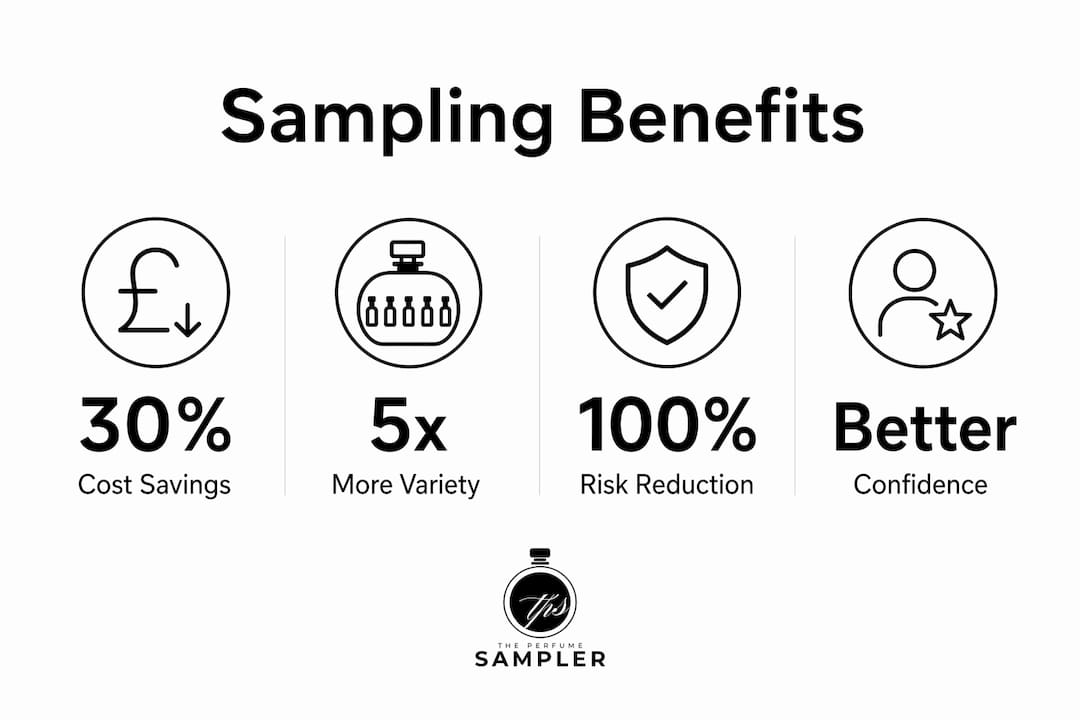
The financial case for sampling is straightforward. A full bottle of a designer fragrance such as Dior Sauvage or Tom Ford Oud Wood typically costs between £100 and £300. A 5ml decant of the same fragrance costs between £5 and £20. That difference is not trivial on a student budget.
The more important figure is what happens after you open a full bottle you are not certain about. Full-size luxury bottles lose 50 to 70 per cent of their resale value the moment they are opened. This means a £150 bottle you decide you dislike after two weeks is worth perhaps £45 to £60 on the secondhand market. Sampling eliminates that sunk cost entirely.
| Purchase type | Typical cost | Risk if you dislike it |
|---|---|---|
| Full bottle (50ml designer) | £100 to £300 | 50 to 70% value lost on opening |
| Decant sample (5ml) | £5 to £20 | Minimal. Low-stakes trial cost only |
| Decant sample (10ml) | £10 to £25 | Minimal. Enough for several weeks of wear |
The table above makes the financial logic clear. A student who buys three samples at £10 each spends £30 to test three different fragrances thoroughly. The same student buying three full bottles on impulse risks losing over £200 if any of those choices turn out to be wrong.
Sampling also supports a more varied fragrance experience at lower total cost. Rather than owning one expensive bottle you wear every day, you can build a fragrance collection of five to ten samples covering different moods and occasions for the same price as a single full bottle.
Pro Tip: When budgeting for fragrance, allocate a small monthly amount specifically for samples. Treat it as a discovery fund rather than a purchase. Over a semester, you will have tested enough scents to make one or two genuinely confident full-bottle investments.
How students use samples to build a personal scent wardrobe
The concept of a scent wardrobe, a curated selection of fragrances matched to different occasions and moods, is one of the most practical applications of sample-based discovery. Sampling allows students to build collections of five to ten fragrances adaptable to academic and social contexts at a fraction of full-bottle costs.
For a student, the occasions that call for different scents are genuinely varied:
- A light, fresh citrus or aquatic fragrance suits morning lectures and library sessions, where something subtle and clean is appropriate.
- A warmer, spicier scent works well for evenings out, social events, or dates, where projection and longevity matter more.
- A soft, skin-close musk or woody fragrance is ideal for casual days, travel, or relaxed social settings.
- A seasonal rotation, lighter in summer and richer in autumn and winter, keeps your scent relevant and considered throughout the year.
Building this wardrobe through samples means you are making each addition based on genuine experience rather than marketing. You are not buying a fragrance because an influencer wore it or because the bottle looks good on a shelf. You are buying it because you wore it for three days and it consistently made you feel confident and well-presented.
This approach also supports identity development in a practical way. Fragrance is one of the most personal forms of self-expression, and students who explore through sampling tend to develop a clearer sense of their own preferences over time. Tracking sampled scents helps build a personal fragrance profile that saves both time and money on future purchases.
The campus scent guide from Theperfumesampler offers specific recommendations for students building their first wardrobe, covering everything from lecture-appropriate choices to weekend fragrances. A scent pairing approach, such as matching your fragrance to your grooming routine, is also worth considering. The scent pairing guide from Ironwood Grooming covers how to coordinate scents across products for a more cohesive personal style.
How sampling builds trust with fragrance brands among students
Students are, by necessity, sceptical consumers. Marketing budgets for luxury fragrance brands are enormous, and the gap between an advertisement and the actual product experience can be significant. Sampling closes that gap directly.
Authentic scent experience builds trust instantly by letting students form their own judgement, independent of advertising or influencer endorsement. This matters because fragrance marketing is particularly prone to abstraction. Campaigns sell a lifestyle or an emotion, not a scent. A sample gives you the scent itself.
The process by which sampling builds purchase confidence follows a clear sequence:
- Initial trial. You receive a 2ml or 5ml decant and wear it for a full day, noting your honest reaction.
- Extended testing. You wear the same sample across two or three different days and contexts, confirming whether your initial reaction holds.
- Comparison. You test one or two alternatives in the same category, which sharpens your preference and gives you a genuine basis for comparison.
- Confident purchase. You buy the full bottle knowing exactly what you are getting, with no uncertainty and no buyer’s remorse.
“Students viewing sampling as low-stakes experimentation are more committed and confident buyers.” The Campus Agency
This shift in mental framing is significant. Sampling changes the calculation from fear of wasted money to empowered experimentation. Students who sample regularly report greater satisfaction with their fragrance purchases and are more likely to return to brands they have tested and trusted through this process.
Key takeaways
Fragrance sampling is the most cost-effective and reliable method for college students to discover, test, and purchase luxury scents with confidence.
| Point | Details |
|---|---|
| Samples reduce financial risk | Decants cost £5 to £20 versus £100 to £300 for full bottles, protecting your budget. |
| Multi-day testing is essential | Wearing a sample across several days reveals full scent evolution that paper strips cannot show. |
| Full bottles lose value fast | Opening a bottle you dislike costs 50 to 70 per cent of its value in resale loss. |
| Scent wardrobes are affordable | Five to ten samples cover all occasions for the same price as one full bottle. |
| Sampling builds genuine trust | Direct experience replaces influencer-driven decisions with personal, informed judgement. |
Sampling as an empowered consumer strategy: Rupesh’s view
Students often underestimate how much of their fragrance spending is driven by uncertainty rather than genuine preference. I have seen this pattern repeatedly. Someone buys a well-known designer fragrance because it is safe, recognisable, and heavily marketed. Six months later, the bottle is half-used and sitting at the back of a shelf because it never truly suited them.
What sampling does is shift the power back to the buyer. You are no longer relying on a brand’s narrative or a reviewer’s description. You are relying on your own nose, your own skin chemistry, and your own lived experience of wearing the scent. That is a fundamentally different and more reliable basis for a purchase decision.
The misconception I encounter most often is that sampling is only useful for people who are new to fragrance. That is not accurate. Even experienced fragrance enthusiasts use samples regularly, particularly when exploring niche or unfamiliar houses where the risk of an expensive mistake is higher. For students, the financial argument alone is compelling. But the longer-term benefit is the development of genuine taste and preference, which makes every future purchase more deliberate and more satisfying.
My advice is simple: never buy a full bottle of any fragrance you have not worn for at least two full days. The sample cost is negligible. The knowledge you gain is not.
— Rupesh
Explore fragrance samples with Theperfumesampler
Theperfumesampler offers a wide selection of niche and designer fragrance decants in 2ml, 3ml, 5ml, and 10ml sizes, covering everything from accessible designer names to hard-to-find niche houses. Every decant is 100% authentic, drawn directly from genuine full bottles.
For students who want to explore luxury fragrances without committing to full-bottle prices, the why decants? page explains exactly how the sampling process works and why it is the most practical approach to building a fragrance collection on a student budget. Whether you are looking for a signature scent or building a varied wardrobe for different occasions, Theperfumesampler’s range gives you the freedom to discover without the financial risk.
FAQ
What size fragrance sample is best for students?
A 5ml decant is the most practical size for thorough testing. It provides enough product for five to seven full applications, covering multiple days and occasions before you make a purchase decision.
How many samples should you test before buying a full bottle?
Testing two to four samples in the same fragrance category gives you a reliable basis for comparison. This process typically takes one to two weeks and produces a confident, well-informed final choice.
Do fragrance samples smell the same as full bottles?
Yes. Authentic decants are drawn from genuine full bottles, so the scent is identical. The only variable is your own skin chemistry and the conditions in which you wear the fragrance.
Why is in-store testing not enough for students?
Paper blotter strips and brief in-store sprays only reveal top notes, which fade within minutes. The heart and base notes that define a fragrance’s character only emerge after one to three hours on skin, making multi-day skin testing the only reliable method.
Can sampling help students avoid wasting money on fragrance?
Sampling directly prevents the most common form of fragrance waste. Since full bottles lose 50 to 70 per cent of their resale value on opening, a £10 sample that prevents a wrong £150 purchase represents significant financial protection.