
6–12 Month Hybrid: Subscription vs Decants for Scent Explorers
Subscriptions suit steady discovery and convenience; decants suit targeted testing, niche fragrances and precise control over what you buy. Cost-per-ml and sampling flexibility decide which wins for you. Most fragrance shoppers get the best value from a hybrid: a short subscription stint followed by decant testing before any full-bottle purchase.
TL;DR:
- Decants are more cost-effective than subscriptions when testing a small number of known fragrances, especially expensive niche scents.
- Subscriptions excel for wide discovery and learning about new scents, but they rarely provide certainty about a particular fragrance.
- Choosing between decants and subscriptions depends on whether you already know what you want or are still exploring your preferences.
- Decants of 2ml to 10ml are sufficient for thorough testing, with common atomizer sprays lasting multiple wears across different conditions.
- Always verify seller authenticity when purchasing decants to avoid diluted or counterfeit products, as decanting in itself is a legal practice.
Table of Contents
- Subscription vs decants: what the numbers actually show
- How do fragrance subscriptions actually work?
- How do perfume decants work?
- When does a fragrance subscription actually make sense?
- When do decants win over a subscription?
- Building a hybrid strategy that avoids waste
- What ThePerfumeSampler’s own guides say about decanting
- Which approach should you actually trust?
- Shop decants and full bottles with confidence at ThePerfumeSampler
- Sources
- FAQ
Subscription vs decants: what the numbers actually show
The maths is the whole argument here, so start with it. A typical fragrance subscription charges $15 to $30 a month and delivers between one and three samples, usually as 1ml to 8ml bottles or vials. Over a year, that is roughly $180 to $360 for somewhere between 12 and 36 samples, but you rarely choose exactly which fragrances land in the box.
Decants work on a different logic. You buy the specific ml you want, of the specific fragrance you want, at a price tied to that fragrance’s own market value. A designer decant might run a few pounds for 2ml, while a rare niche release can cost considerably more per ml, simply because the full bottle does too.
Worked example one: a year of variety. Say you want to try 20 different fragrances this year. A subscription at $20 a month gives you $240 spent and, if you are lucky with the curation, perhaps a dozen of those on your actual wish list. Buying 20 individual decants at an average $8 to $12 each for 5ml gets you exactly the 20 you chose, for roughly $160 to $240, with zero fragrances you did not ask for.
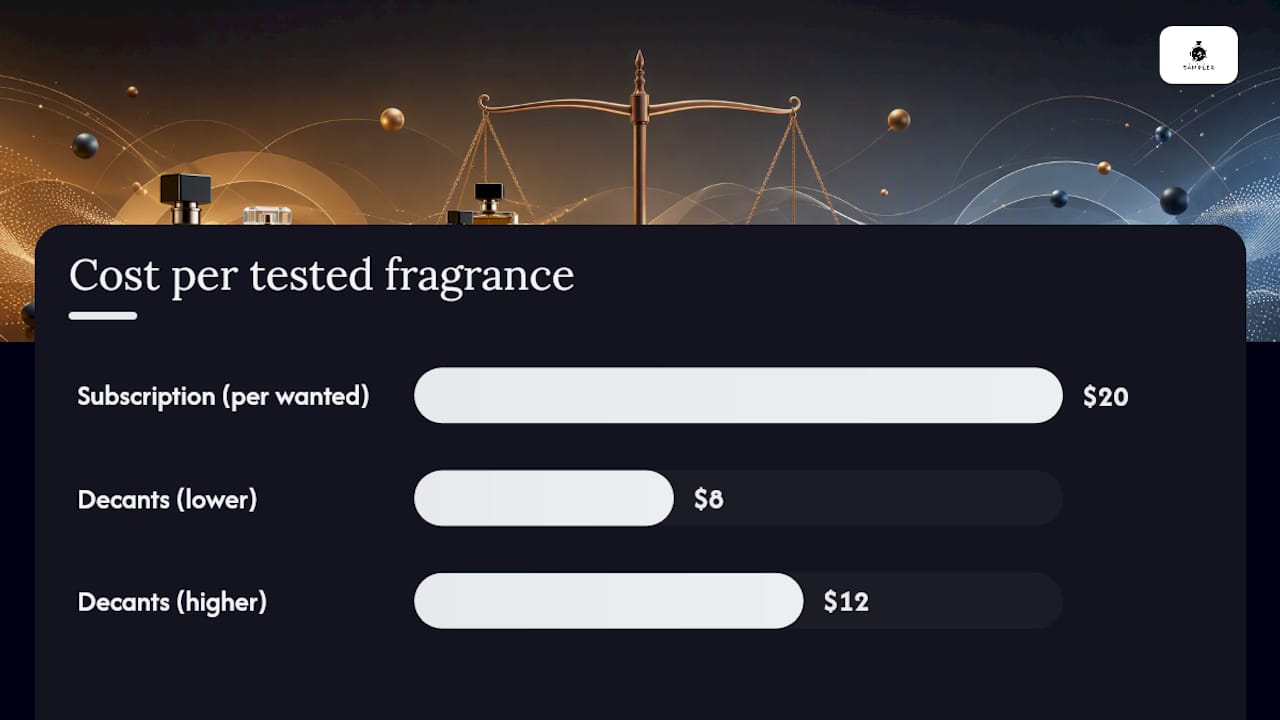
Worked example two: subscription then commit. Suppose you subscribe for six months ($90 to $180), find one fragrance you love, then buy the full bottle ($120 to $180 for a mid-range designer). Total spend: $210 to $360. Compare that with buying a single 5ml decant of the same fragrance first (around $10 to $15) to confirm the love, then the full bottle. Total spend: roughly $130 to $195, with no wasted months on scents you were never going to wear.
Break-even rule of thumb: if you can name more than three fragrances you already want to test, decants usually win on cost. If you have no idea what you like yet and want a low-effort monthly ritual, a subscription earns its fee.
Statistic Callout: Pre-purchase sampling, whether through decants or subscription boxes, commonly adds $50 to $100 or more to the total cost of finding a fragrance you actually want to wear. Budgeting for that upfront avoids the frustration of “wasted” spending later.
- Subscription: better cost-per-discovery when you have no shortlist.
- Decants: better cost-per-fragrance when you already know what you want to test.
- Full bottle straight away: cheapest only if you are already certain, which is rare.
How do fragrance subscriptions actually work?
Most subscription services fall into three formats. Curated boxes pick your samples for you, based on quiz answers or algorithmic guesswork. Credit systems let you spend monthly points on a catalogue of choices, giving you more say. Flat-month models simply post whatever the brand has decided to feature that cycle, with the least reader control of the three.
Sample formats matter more than people expect. An 8ml spray sample is usually enough for two to three months of genuine, real-world wear testing, which lets you judge how a scent behaves on your skin across different weather and occasions. A 1ml to 2ml dabber vial, by contrast, gives you a handful of wears at best, enough for a first impression but not much beyond it.
Catalogue coverage is the quiet limitation. Subscription services tend to work with brands that supply sample stock in bulk, which usually means mainstream designer houses and larger niche players. Small-batch independent perfumers rarely appear, because they cannot supply thousands of tiny bottles a month.
Pro Tip: Check a subscription’s cancellation and pause policy before signing up. Some services lock you into a rolling contract, while others let you pause for a month with no penalty, which matters if you travel or want to slow down after a big haul.
- Curated boxes: least effort, least control.
- Credit or choose-your-own systems: more effort, much more control.
- Common perks: discounts on full-bottle purchases, occasional swap options, and flexible pause settings.
How do perfume decants work?
A decant is simply a portion of a fragrance transferred from its original bottle into a smaller container, typically 2ml, 3ml, 5ml, or 10ml. The fragrance itself is identical to the full bottle. What changes is the volume and the price you pay for access to it.
Sourcing matters enormously here, because authenticity risk sits almost entirely on the seller. Specialist retailers who decant from verified, sealed stock are the safest route. Community decanters selling through marketplaces or social platforms vary wildly in reliability, and some brand sample offerings exist too, though usually limited to whatever the counter or website is currently pushing.
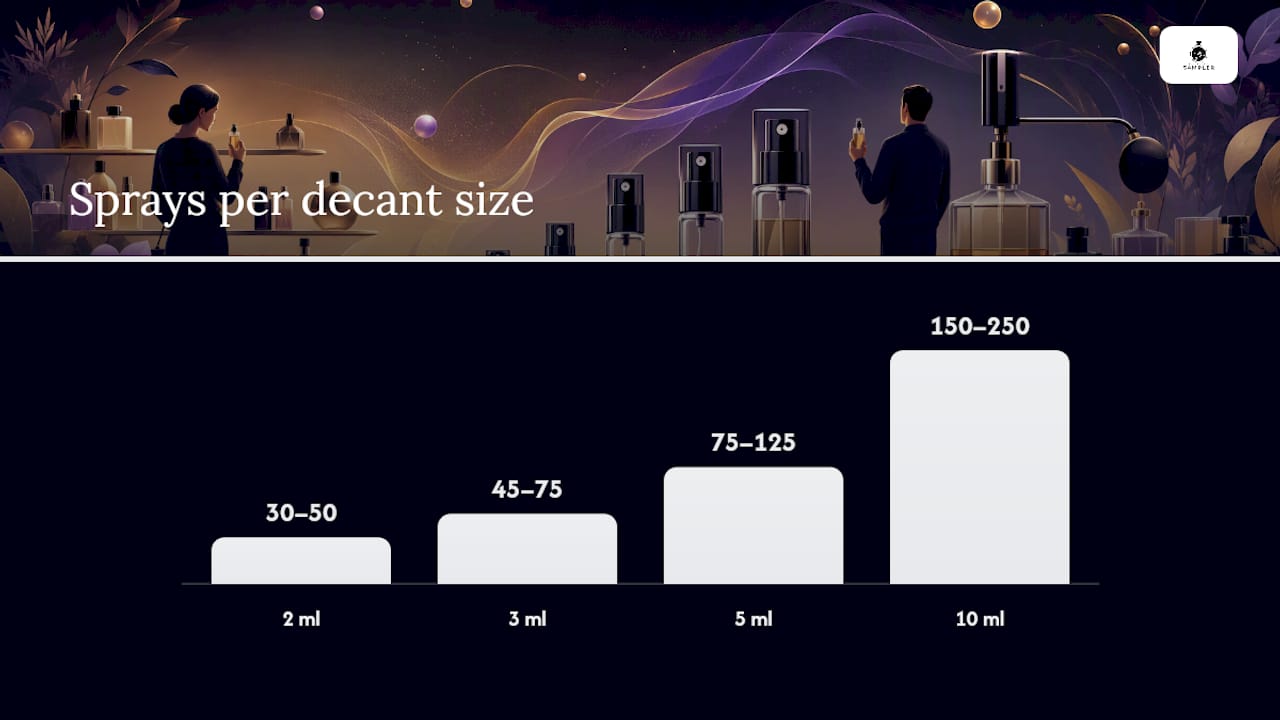
The sprays-per-ml maths is worth knowing by heart. A typical atomiser delivers somewhere between 15 and 25 sprays per ml, depending on the nozzle. That means a 5ml decant, at roughly 75 to 125 sprays, usually covers several full-day wears, enough to judge longevity, sillage and how the scent evolves through different seasons before you commit to a bottle.
Statistic Callout: At 15 to 25 sprays per ml, even a modest 2ml decant delivers 30 to 50 sprays, easily enough for a fair first verdict on most fragrances.
Storage is straightforward but easy to neglect. Keep decants away from direct light and heat, keep the cap on tightly between uses, and use within a year or so of purchase for the most faithful representation of the scent.
- 2ml: a quick first impression, a handful of wears.
- 5ml: enough for a genuine multi-season test.
- 10ml: close to a mini bottle, ideal for confirmed favourites you are not yet ready to buy full-size.
When does a fragrance subscription actually make sense?
- The variety seeker. If you enjoy the ritual of something new landing each month and do not mind a mix of hits and misses, a subscription delivers steady novelty without any decision fatigue.
- The seasonal sampler. Someone rotating through lighter citrus scents in summer and warmer ambers in winter benefits from a service that adjusts its picks with the calendar.
- The frequent traveller. Ready-filled spray samples slot into hand luggage easily, and small perfume vials sit comfortably under the standard 100ml carry-on liquid limit, so there is no faffing with decanting your own bottles before a flight.
The practical benefits stack up: predictable monthly cost, zero shopping effort, and exposure to fragrances you would never have picked yourself. Most guides on this suggest staying subscribed for six to twelve months is enough to extract real learning value, long enough to sample widely without paying for a habit that has stopped teaching you anything new.
When do decants win over a subscription?
Decants pull ahead for three clear shopper types: the focused tester who already has two or three fragrances in mind, the niche collector chasing specific houses, and anyone hunting a fragrance that simply is not available in mainstream subscription catalogues.
The core advantage is control. You choose the exact fragrance, the exact size, and you pay only for what you have decided to test. This matters enormously for expensive niche releases, where a full bottle can run into hundreds of dollars and a decant lets you test the same juice for a fraction of that outlay. Subscriptions, meanwhile, commonly skip small-catalogue niche houses entirely, since those brands rarely supply bulk sample stock.
Risks exist and need managing. Buying from an unverified seller risks diluted or counterfeit product, and small independent decanters can carry longer shipping times than an established retailer. A comparison of decants against travel sizes and rollerballs makes the trade-off clear: decants win on access and depth of testing, brand-produced travel formats win on polish and portability, but neither is universal.
- Best for: shortlisted testers, niche hunters, hard-to-find fragrances.
- Advantage: pay only for what you actually want, at prices scaled to that fragrance’s real value.
- Watch for: seller authenticity, batch consistency, and delivery timelines from smaller sellers.
Building a hybrid strategy that avoids waste
- Months one to six or twelve: subscribe to a curated or credit-based service to sample broadly and cheaply, treating it as an education period rather than a shopping habit.
- After that: cancel or pause, then buy individual decants of anything from your subscription months that stuck with you, testing each one across a full week before deciding further.
- Only then: commit to a full bottle, and only for fragrances you have already worn through at least one 5ml decant.
A rough money rule: if you expect to buy more than two or three full bottles a year, a short subscription period to narrow your shortlist pays for itself quickly. If you buy fewer than that, skip the subscription and go straight to decants.
Over three years, the differences compound. Subscription-only shoppers typically spend $600 to $1,000 and end up with dozens of unused part-bottles cluttering a shelf. Decant-only shoppers spend less overall but do more legwork sourcing each one individually. The hybrid approach, subscribing briefly then decant-testing shortlisted scents, tends to land in the middle on cost while producing the least waste and the highest hit rate on full-bottle purchases.
Statistic Callout: A disciplined six-to-twelve-month subscription period, followed by decant confirmation, is the pattern most consistently recommended for minimising both regret purchases and unused samples.
What ThePerfumeSampler’s own guides say about decanting
ThePerfumeSampler has published several practical explainers on this exact question, including Why decants?, The role of decants in trying new scents, and Advantages of decanting fragrance: your 2026 guide. Together, they make the case that decanting exists specifically to solve the problem this article has been walking through: how to test a fragrance properly without paying full-bottle prices upfront.
This guide, from author Rupesh, draws on that same reasoning and on a range of 2ml, 3ml, 5ml and 10ml decants as the practical basis for the sizing advice above.
- A 5ml decant, worn across five or six separate days, gives a fair read on longevity and how the scent settles on your skin.
- Testing across different weather (a warm day, a cold one, an active day) reveals things a single spray in a shop never will.
- Comparing notes on paper against notes on skin, using something like testing on skin versus clothes, sharpens your final verdict before any full-bottle spend.
Which approach should you actually trust?
Treat a subscription as tuition, not a shopping habit. It teaches you what you like across a wide field, but it rarely hands you certainty about a single fragrance. Decants are where certainty actually gets built, because you control the exact scent, the exact size, and the exact conditions you test it under. For most people reading this, the honest answer is a hybrid: subscribe for a fixed window, then switch to decants to confirm before any full bottle leaves your card charged.
— Rupesh
Shop decants and full bottles with confidence at ThePerfumeSampler
Once you have shortlisted a fragrance worth testing properly, there are decants available in 2ml, 3ml, 5ml and 10ml sizes, allowing you to test as lightly or as thoroughly as you like, without paying full-bottle prices before you are sure.
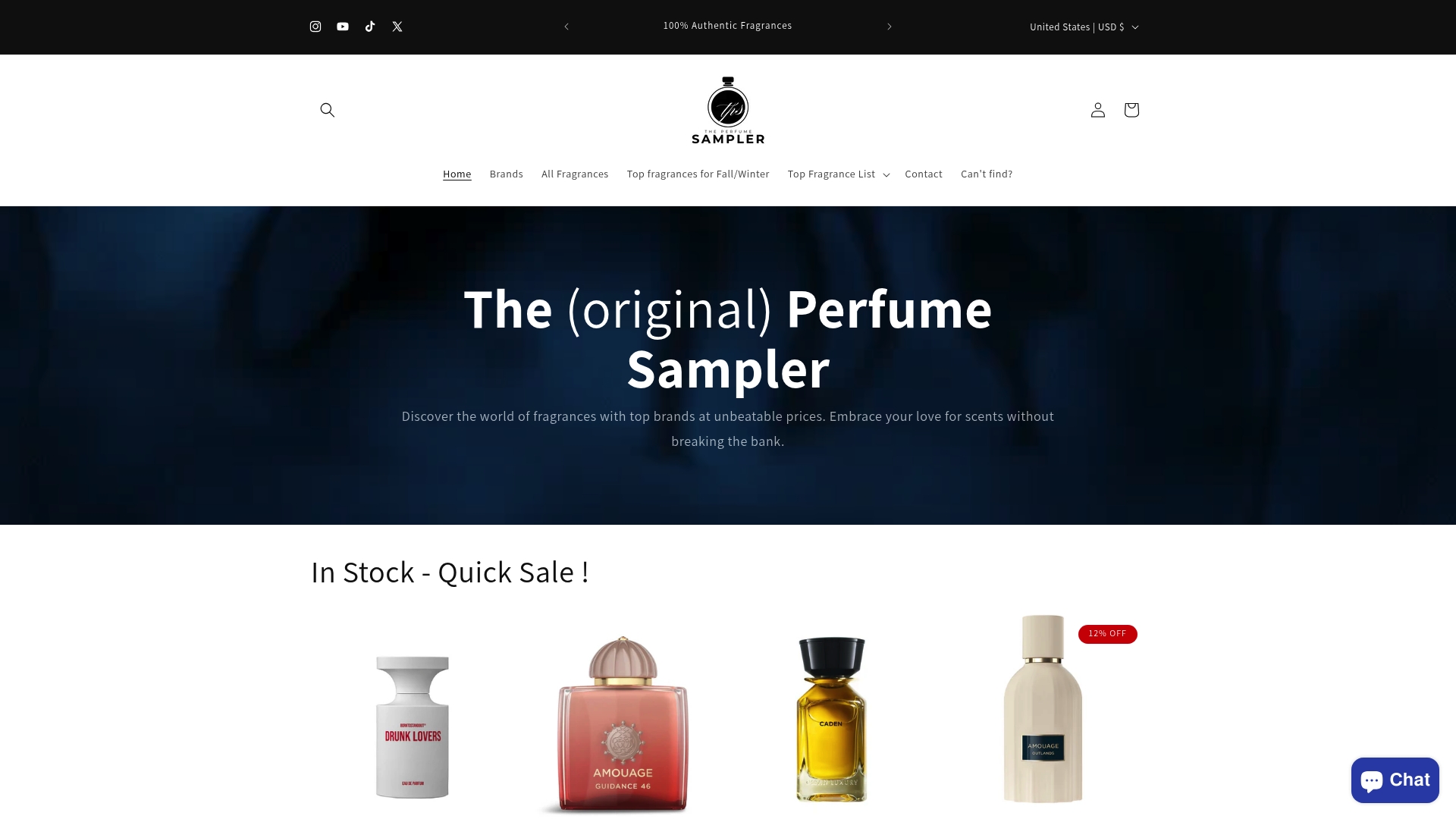
Some sellers offer an authenticity guarantee, which matters most in the decant market, where sourcing risk is the biggest downside readers face. Catalogues can cover both niche houses that subscription boxes routinely miss and mainstream designer names, providing more options than some curated boxes. If a decant confirms the love, the same range covers full bottles too, so there is no need to switch retailers between testing and committing.
Start by browsing all fragrances to find your next 5ml test, or read Why decants? if you want the fuller reasoning behind ThePerfumeSampler’s decant-first approach before you buy.
Sources
- Perfume Subscription vs. Buying Full Bottles: Which Actually Saves You Money? – TryScent
- Decants vs travel sizes vs rollerballs: Best use cases | WhatScent
- Decant vs full bottle: Which one should you actually buy? – Embark Perfumes
- What can I bring? | TSA
FAQ
Is it worth buying decants?
Yes, for most shoppers testing a specific fragrance. A 5ml decant typically covers several full wears, enough to judge longevity and how it suits your skin before spending on a full bottle.
What is better, a subscription or buying individual decants?
Neither is universally better. Subscriptions suit people who want broad, low-effort discovery, while decants suit anyone who already has specific fragrances in mind and wants control over the exact size and scent purchased.
What are the three main types of fragrance subscriptions?
Subscription services generally fall into curated boxes, where the brand picks your samples, credit or choose-your-own systems, where you select from a catalogue, and flat-month models that send a fixed selection to everyone. Curated and flat-month formats give you the least control; credit systems give you the most.
Is decanting perfume illegal?
Decanting for personal use or selling accurately labelled decants of genuine fragrance is standard commercial practice, not illegal in itself. Problems arise only around trademark and labelling misuse or counterfeit product, which is why buying from a seller offering an authenticity guarantee, such as ThePerfumeSampler, matters more than the act of decanting itself.