
Discover fragrance houses: Sampling designer scents affordably
Most people assume a perfume simply comes from a brand name on the bottle. The reality is quite different. Behind every iconic scent is a fragrance house, a specialised business dedicated to creating, developing, and producing perfumes through a precise blend of artistry, science, and commerce. Understanding what fragrance houses are and how they operate changes the way you approach buying perfume entirely. It also opens the door to smarter, more affordable ways to explore luxury scents before spending on a full bottle.
Table of Contents
- Understanding fragrance houses
- The creative process: How fragrance houses develop scents
- Niche versus designer fragrance houses: What’s the difference?
- Exploring iconic fragrance houses and their bestselling scents
- Sampling fragrances: Affordable ways to discover designer and niche scents
- Find your perfect scent: Try fragrance samples today
- Frequently asked questions
Key Takeaways
| Point | Details |
|---|---|
| Fragrance houses defined | A fragrance house creates, develops, and markets perfumes and scented products using artistry and science. |
| Niche vs designer | Niche and designer fragrance houses offer different approaches and price points, influencing your sampling options. |
| Affordable sampling | Exploring fragrance samples lets you discover premium scents without committing to full-size bottles. |
| Iconic scents inspiration | Notable fragrance houses produce famous perfumes you can try through sample programmes. |
| Practical application | Leverage sample options to find your ideal scent with minimal investment. |
Understanding fragrance houses
A fragrance house is far more than a manufacturer. It is a creative and commercial entity built around the craft of scent. According to the industry definition, a fragrance house is a business dedicated to the creation, development, production, and marketing of perfumes and scented products, fusing artistry, science, and commerce to craft unique olfactory experiences.
Fragrance houses are responsible for the entire lifecycle of a perfume. They employ master perfumers, chemists, and marketing specialists. They source raw materials, conduct safety testing, and manage production at scale. Some houses operate under their own brand name. Others create scents that are then sold under separate retail or designer labels.
Here is what fragrance houses typically do:
- Create original scent formulas using natural and synthetic ingredients
- Develop new fragrances in response to market trends and creative briefs
- Produce perfumes at commercial scale while maintaining quality standards
- Market their products directly to consumers or through partner brands
- Licence formulas to third-party brands who sell under their own name
Understanding this distinction matters. When you buy a designer perfume, the scent itself may have been created by a fragrance house that operates entirely behind the scenes. The brand on the bottle and the house that made the scent are often two separate entities.
The creative process: How fragrance houses develop scents
Fragrance houses blend creativity with scientific processes to develop perfumes that are both artistically compelling and commercially viable. The process is more structured than most people realise.
Here is how a typical fragrance development process works:
- Brief and concept — A creative brief is established, outlining the target audience, mood, and market positioning of the new scent.
- Raw material selection — Perfumers choose from thousands of natural and synthetic ingredients, each contributing to the top, middle, and base notes of the final fragrance.
- Formula development — The master perfumer, often called a “nose,” creates multiple versions of the scent, refining the formula through repeated testing.
- Safety and stability testing — Chemists test the formula for skin safety, stability over time, and compliance with international regulations.
- Consumer testing — Focus groups and panels evaluate the scent before it reaches the market.
- Production and launch — Once approved, the formula moves to large-scale production and is packaged for retail.
This process can take months or even years. It explains why high-end fragrances carry the price tags they do. Understanding the complexity behind each bottle also helps you appreciate why perfume performance factors such as longevity and projection vary so significantly between products.
Pro Tip: If you enjoy experimenting with scent combinations, learning about layering fragrances can help you create a personalised result using samples from different houses without committing to a single full bottle.
Niche versus designer fragrance houses: What’s the difference?
Fragrance houses vary in their approach and market, from niche to designer labels. Knowing the difference helps you decide where to focus your sampling budget.
| Feature | Niche houses | Designer houses |
|---|---|---|
| Target audience | Fragrance connoisseurs | Broad consumer market |
| Price point | Higher, often £100 to £400+ | Moderate to high, £50 to £200 |
| Creative freedom | Very high | Moderate |
| Availability | Limited, specialist retailers | Widely available |
| Exclusivity | High | Lower |
| Sampling access | Less common in stores | More widely available |
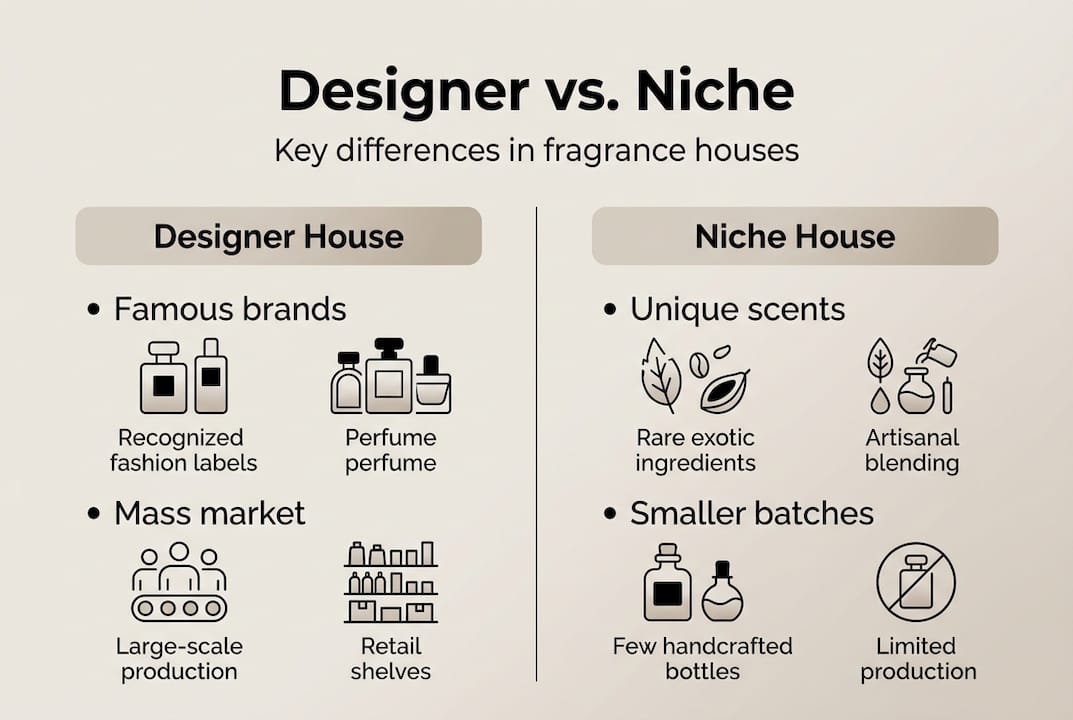
Niche houses prioritise artistic expression over mass appeal. They use rare ingredients, produce smaller batches, and rarely advertise through mainstream channels. Designer houses, by contrast, operate at scale. They produce recognisable, broadly appealing scents and invest heavily in marketing.
Both categories offer genuine value, but for different reasons:
- Niche fragrances reward those who want something distinctive and are willing to invest time in discovery
- Designer fragrances offer reliable quality and wide recognition at a more accessible price
- Sampling is essential for both, since neither category is cheap enough to buy blind
Exploring designer fragrance options alongside niche fragrance examples gives you a clear picture of the full range available to you.
Exploring iconic fragrance houses and their bestselling scents
Fragrance houses produce iconic scents that shape the market and define entire eras of perfumery. Here are some of the most celebrated houses and their standout products.
| Fragrance house | Category | Notable scent | Key character |
|---|---|---|---|
| Dior | Designer | Sauvage Elixir | Woody, spicy, masculine |
| Chanel | Designer | No. 5 | Floral, powdery, classic |
| Maison Francis Kurkdjian | Niche | Baccarat Rouge 540 | Amber, floral, luminous |
| Tom Ford | Niche/Designer | Black Orchid | Dark, floral, luxurious |
| Creed | Niche | Aventus | Fruity, smoky, bold |
| Byredo | Niche | Gypsy Water | Fresh, woody, earthy |
“The best fragrance houses do not simply make perfumes. They create experiences that stay with you long after the scent has faded.”
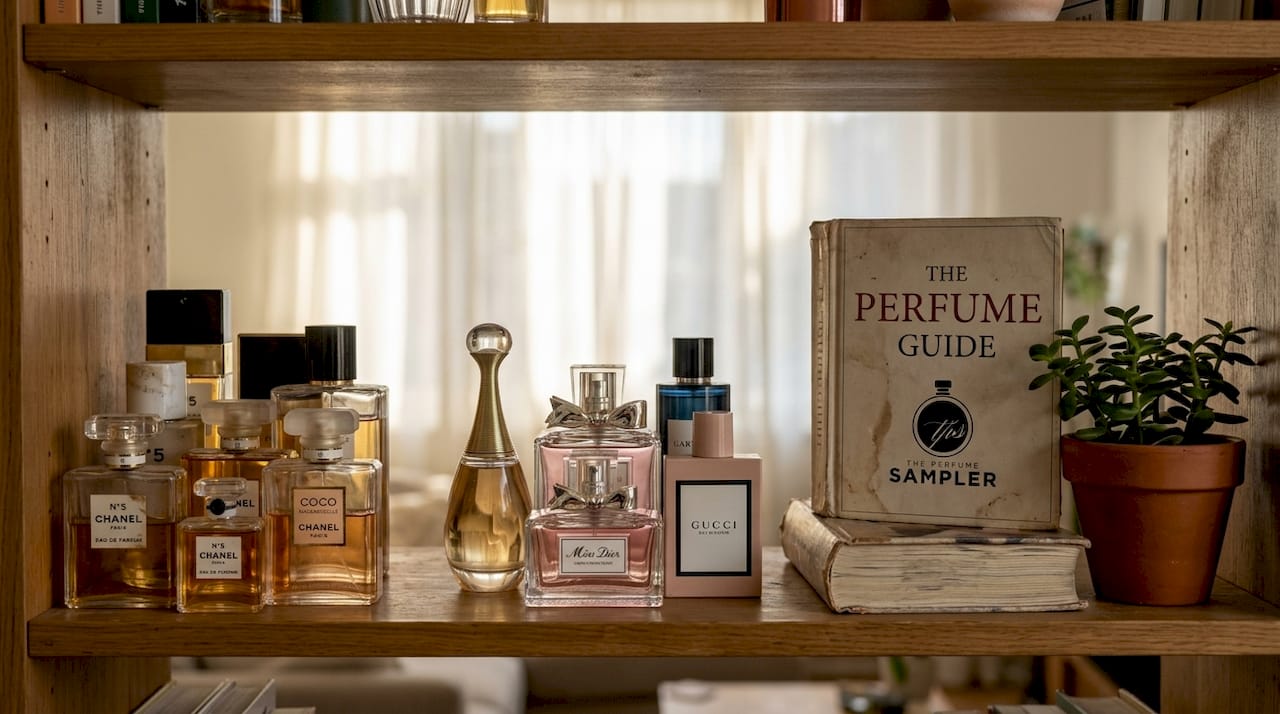
Each of these houses has built a reputation through consistent quality and creative identity. Dior and Chanel dominate the designer space with globally recognised names. Maison Francis Kurkdjian and Creed lead the niche category with formulas that command serious attention from collectors and enthusiasts alike.
For those building a professional wardrobe of scents, exploring professional fragrance picks is a practical starting point. If you are focused on masculine scents specifically, a curated list of men’s designer fragrances covers the most relevant options across both categories.
Sampling fragrances: Affordable ways to discover designer and niche scents
Fragrance houses play a key role in creating perfumes that enthusiasts can sample affordably before purchasing. Sampling is not just a budget strategy. It is the most reliable way to know whether a scent works for you before spending £100 or more on a full bottle.
Here are the most practical methods for sampling high-end fragrances:
- Purchase decant samples — Decants are small portions of genuine fragrance, typically available in 2ml, 3ml, 5ml, or 10ml sizes. They give you enough product to wear the scent multiple times across different occasions and temperatures.
- Use sample sets — Curated sample sets from specialist retailers let you try several scents from one or multiple houses at a fraction of the full bottle cost.
- Try before committing to limited editions — Limited edition releases are particularly risky to buy blind. Exploring limited edition sampling options before purchasing protects your budget.
- Rotate samples seasonally — Fragrances perform differently in warm and cold weather. Sampling across seasons gives you a more accurate picture of how a scent behaves on your skin.
- Focus on houses, not just individual scents — If you enjoy one fragrance from a particular house, sampling others from the same house is a reliable way to find additional favourites.
Pro Tip: Always wear a sample for at least two full days before deciding. First impressions of a fragrance can be misleading. The dry-down, which is how the scent develops after the top notes fade, is where the real character of a perfume reveals itself.
Understanding the types of fragrance samples available helps you choose the right format for your needs. If you want to start with a specific niche house, you can sample Maison Francis Kurkdjian directly through a decant before considering the full bottle.
Common mistakes to avoid when sampling:
- Testing too many scents at once — Your nose fatigues quickly. Limit yourself to three or four samples per session.
- Judging on paper strips alone — Always test on skin. Fragrance interacts with your body chemistry in ways that paper cannot replicate.
- Ignoring the dry-down — The first spray is not the full story. Give each sample at least 30 minutes before forming an opinion.
- Overlooking concentration — Eau de parfum and extrait de parfum versions of the same scent can smell noticeably different. Sample the specific concentration you intend to buy.
Find your perfect scent: Try fragrance samples today
Exploring fragrance houses is one of the most rewarding ways to build a personal scent collection. The knowledge you now have about how these houses operate, what separates niche from designer, and how to sample strategically puts you in a strong position to make informed choices.
At The Perfume Sampler, we offer 100% authentic fragrance decants in 2ml, 3ml, 5ml, and 10ml sizes, covering both niche and designer houses. Every sample is genuine, allowing you to experience the real formula before committing to a full bottle. If you want to start with one of the most talked-about designer scents right now, a Dior Sauvage Elixir sample is an excellent first step. Browse the full range and find your next favourite scent without the risk of a costly mistake.
Frequently asked questions
Do fragrance houses only make perfumes?
No. Fragrance houses are dedicated to producing a wide range of scented products, including colognes, home fragrances, and body care items, not just perfumes.
Can I sample niche fragrances from fragrance houses affordably?
Yes. Many specialist retailers offer decant samples of niche fragrances, making it possible to experience luxury scents without paying full bottle prices. Fragrance houses blend commerce with artistry in ways that support accessible sampling.
What is the difference between a fragrance house and a perfume brand?
A fragrance house creates the actual scent formula, while a perfume brand markets and sells the finished product. The development, production, and marketing functions may sit within the same company or be split between separate entities.
How do fragrance houses decide which scents to create?
They use a combination of market research, creative direction, and technical expertise. Fragrance houses blend artistry, science, and commerce to develop scents that appeal to a wide range of consumers while maintaining creative integrity.
Are there fragrance houses specialising in natural or sustainable scents?
Yes. Several fragrance houses focus on natural ingredients and ethical sourcing practices. They develop unique olfactory experiences that meet growing consumer demand for transparency and sustainability in luxury products.