

Sample 8 Patchouli Perfumes First With 2ml–3ml Decants
If you want the best patchouli perfumes without buying blind, start with Serge Lutens Borneo 1834 for dark cocoa-earth patchouli, Thierry Mugler Angel for the gourmand pioneer, Guerlain Patchouli Ardent for a rose-leather take, and Reminiscence Patchouli Elixir for pure, unfiltered intensity. Sample all four in decant form first. Author Rupesh has tested these across skin types, and the differences between them are large enough that a full bottle bought on reputation alone is a genuine gamble.
TL;DR:
- Sampling multiple patchouli fragrances in decant form helps identify personal preferences, as formulations vary significantly in scent, longevity, and application over time.
- Classic options like Borneo 1834 offer raw, earthy cocoa-dusted patchouli, while Angel introduces a sweet, gourmand version that polarizes wearers.
- Reformulation and availability changes mean that today’s popular patchoulis may be harder to find or altered in scent, making early testing crucial.
- Patchouli’s behavior on skin changes over hours, so proper testing includes observing initial, one-hour, and dry-down stages to predict real-world wear.
- Building a small collection across different styles—earthy, gourmand, tobacco-amber—allows for versatile use and reduces the risk of regret from limited sampling.
Table of Contents
- Best patchouli perfumes: the shortlist to sample first
- Detailed profiles: what each patchouli actually smells like
- How to sample and buy patchouli perfumes without regret
- Why sampling patchouli matters more than most fragrance families
- A personal take on building a patchouli collection
- Try before you commit: sampling the patchoulis on this list
- Sources
Best patchouli perfumes: the shortlist to sample first
Patchouli is not one smell. It is a note that shifts from medicinal and camphoraceous to sweet, chocolatey, and almost edible depending on how a perfumer treats it, so a shortlist needs to cover that range rather than just naming the loudest bottles. The picks below span soliflore purity, gourmand sweetness, tobacco-amber warmth, and modern woody restraint.
- Serge Lutens Borneo 1834 — dark, cocoa-dusted, mineral patchouli that enthusiasts treat as the reference point for earthy, unsweetened patchouli blends. Suits patchouli purists who want no floral padding.
- Chanel Coromandel — patchouli wrapped in white chocolate, benzoin, and incense. Suits readers who find Borneo 1834 too austere and want warmth without full gourmand sweetness.
- Guerlain Patchouli Ardent — a luminous reworking pairing patchouli with rose and a leather-musk accord. Suits anyone who wants patchouli that reads elegant rather than heavy.
- Thierry Mugler Angel — the fragrance that made patchouli mainstream by fusing it with cotton candy and chocolate notes. Polarising, but essential context for understanding modern gourmand patchouli.
- Prada patchouli-forward eau de parfum options — softer, ambery patchouli treatments with a modern, almost powdery finish. Suits office wear and readers new to the note.
- Reminiscence Patchouli Elixir — an intense, amber-wooded patchouli built on sandalwood, vetiver, vanilla, and tonka, positioned as a concentrated, iconic patchouli statement. Suits collectors who want patchouli at full volume.
- A tobacco-amber patchouli such as Café Tabac — smoky, resinous, and cacao-tinged, built on tobacco absolute and clary sage alongside patchouli-adjacent materials. Suits readers coming to patchouli through tobacco fragrances or tobacco vanilla perfumes.
- Fragonard Patchouli EDT — an accessible, woody patchouli opening on ginger and bitter orange, priced well below the niche houses above. Suits newcomers wanting to learn the note before spending more.
Availability is worth flagging early. Several classic patchoulis, including older Borneo 1834 batches, have been reformulated over the years, and some soliflore-style patchoulis carry known reformulation caveats that change how sharp or sweet the opening reads. Stock on niche patchoulis also fluctuates more than mainstream designer lines, so a name on this list today is not guaranteed to be sitting on a shelf next month.
Detailed profiles: what each patchouli actually smells like
Reading a notes list tells you what went into a bottle. It does not tell you how patchouli behaves once it is on your skin for six hours. These profiles focus on that gap.
Serge Lutens Borneo 1834
- Opens dry, almost dusty, with cocoa powder and a mineral rawness that some wearers initially read as bitter rather than sweet.
- Patchouli here is undiluted by florals; it is the entire architecture of the scent, propped up by patchouli oil-driven earthiness and a whisper of vetiver.
- Longevity runs long, often 8 hours plus on skin, with sillage that starts moderate and settles close after the first hour.
- Best suited to wearers who already like dark, resinous fragrances and want patchouli in its most honest form.
Pro Tip: If Borneo 1834 reads too medicinal in the first ten minutes, wait. That camphoraceous edge is common in raw patchoulis and usually softens into cocoa and wood within the first hour.
Chanel Coromandel
- Patchouli sits inside a warm frame of white chocolate, benzoin, and a soft incense haze, so the earthiness is present but cushioned.
- Stands apart from Borneo 1834 by trading rawness for polish; this is patchouli dressed for an evening out, not a walk through a forest.
- Projection is generous for the first two hours, then narrows into a skin scent that lingers into the following morning on fabric.
- Suits readers who want gourmand warmth without the cotton-candy sweetness of Angel.
Guerlain Patchouli Ardent
- Built around a rose and patchouli pairing finished with a leather-musk base, giving it a luminous, almost floral-leather character rather than pure earthiness.
- The Allegoria line uses a notably high proportion of natural-origin ingredients, which shows in how the rose and patchouli blend rather than layer.
- Wears closer to the skin than Borneo 1834, with moderate sillage and roughly 6 to 8 hours of longevity depending on skin type.
- Suits anyone who finds most patchouli fragrances too heavy but still wants the note recognisable at the centre.
Thierry Mugler Angel
- The fragrance credited with turning patchouli into a gourmand mainstream ingredient by fusing it with sugary, fruity, and chocolate accords, a shift editors still reference when discussing modern patchouli’s gender-neutral popularity.
- Patchouli here is not earthy so much as thick and sweet, closer to a dessert than a forest floor.
- Sillage is famously loud and longevity can run past 12 hours, which makes it a fragrance to test carefully rather than assume you can control.
- Divisive by design. Wearers either build a long relationship with it or avoid gourmands entirely afterwards.
Prada patchouli-forward eau de parfum
- Softer treatment of the note, often paired with amber and light musk for a rounder, less confrontational finish.
- Where Angel pushes sweetness and Borneo 1834 pushes rawness, Prada’s patchouli sits in the middle: recognisable but restrained.
- Moderate longevity, typically 5 to 7 hours, with sillage tame enough for office wear.
- Suits readers who want patchouli’s presence signalled rather than announced.
Reminiscence Patchouli Elixir
- Marketed as an intense, amber-wooded expression combining sandalwood, vetiver, vanilla, and tonka bean around a concentrated patchouli core.
- Among the most full-bodied patchoulis on this list; the tonka and vanilla push it toward gourmand-adjacent without tipping into Angel’s sweetness.
- Sillage is strong for the first three to four hours before settling into a dense, long-lasting skin scent.
- Suits collectors who already know they like patchouli and want a concentrated, unapologetic version of it.
Café Tabac (tobacco-amber patchouli)
- A complex composition using tobacco absolute, a cacao accord, and clary sage alongside patchouli-supporting materials to build a smoky, resinous, faintly edible accord.
- Reads closer to the best tobacco perfumes than to a pure patchouli soliflore, which makes it the pick for readers approaching this list from tobacco vanilla perfumes rather than patchouli fragrances specifically.
- Longevity is strong, often 8 hours or more, with sillage that stays warm and close.
- Suits autumn and winter wear more than any other entry here.
Fragonard Patchouli EDT
- Opens on ginger and bitter orange before settling into a woody patchouli base finished with tonka bean and musk, an accessible price point compared with the niche entries above.
- Not as complex as Borneo 1834 or Patchouli Ardent, but a genuinely useful entry point for learning what raw patchouli smells like before spending on a niche bottle.
- Moderate longevity, roughly 5 hours, with soft sillage.
- Suits first-time patchouli buyers who want to confirm they like the note before committing further.
How to sample and buy patchouli perfumes without regret
Testing patchouli properly takes patience, because this note changes more between the first ten minutes and the fourth hour than almost any other fragrance family. A rushed test in a shop, sprayed on a card, tells you almost nothing useful.
- Apply to skin, not paper. Patchouli oil interacts with individual skin chemistry, and paper strips flatten out the earthy, sometimes camphoraceous opening that matters most for a purchase decision.
- Check again at 10 to 15 minutes. This is when the sharp, medicinal top note either fades or reveals itself as a permanent feature of that particular formulation.
- Check the heart at the one hour mark. This is where you find out whether the patchouli is leaning earthy, gourmand, or floral, and whether supporting notes like rose, cocoa, or tobacco are doing what the brand description promised.
- Check the dry-down at 4 to 6 hours. Patchouli almost always outlasts its companion notes, so this stage tells you what you will actually be wearing for the back half of the day.
- Repeat the test a second day if the opening read medicinal. Camphoraceous top notes often soften within 24 hours of a fresh application, revealing cocoa or resinous facets that were masked the first time.
Three pitfalls trip up most first-time patchouli buyers. The first is “fruitchouli”, where a fruity top note dominates the first twenty minutes and gives a false impression of sweetness that vanishes by the dry-down. The second is mistaking a temporary camphor note for the fragrance’s permanent character, when it is often a top-note effect that clears. The third is assuming a sample will behave identically to a full bottle, when skin oil levels, temperature, and even the fabric you’re wearing can shift how loud or quiet patchouli reads.
Pro Tip: Spray a small amount onto a cotton swatch or a shirt cuff alongside your skin test. Some patchoulis, particularly the leather and chocolate-forward ones, show stronger depth on fabric than they ever do on skin, which is worth knowing before you decide a scent “doesn’t suit you”.
On price, expect entry-level patchoulis like Fragonard’s to sit well under $100 for a full bottle, mid-tier niche options such as Reminiscence or Guerlain’s Allegoria line to run higher, and cult classics like Borneo 1834 to command premium pricing that makes a decant the only sensible way to test before committing. Decants make particular sense here because buying several small pours to compare costs a fraction of one wrong full-bottle purchase, and patchouli’s skin-chemistry variability makes that comparison more valuable than it would be for a simpler, more linear fragrance family.
Why sampling patchouli matters more than most fragrance families
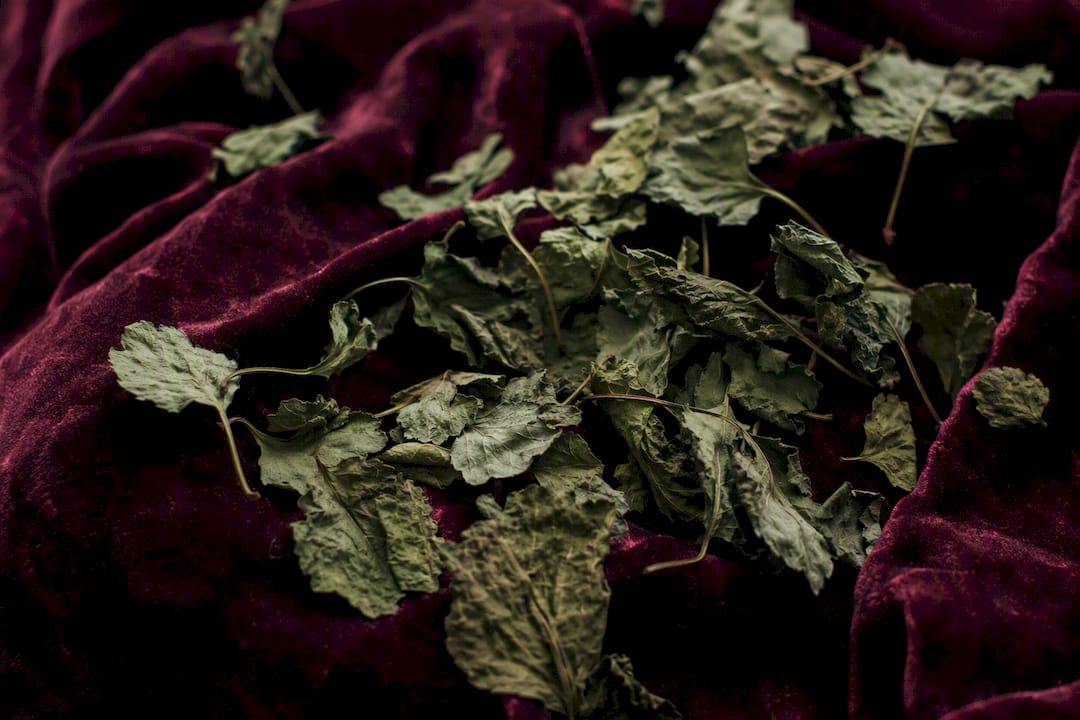
Patchouli’s history explains why it behaves so unpredictably from one nose to the next. The note originated in dried patchouli leaves used to scent textiles and ward off moths during shipping, and its association with 1960s counterculture left a reputation for being either loved or dismissed outright, long before perfumers began refining it into the polished, gourmand, and woody treatments on this list.
Rupesh has spent years sampling niche and designer fragrances specifically to flag where marketing copy and actual wear diverge, and patchouli is one of the notes where that gap shows up most often. A brand’s official description of “warm, earthy patchouli” can mean four completely different experiences depending on whether the perfumer paired it with rose, cocoa, tobacco, or nothing at all. That range is exactly why a single bottle bought on a magazine recommendation is a riskier bet with patchouli than with, say, a citrus cologne.
Decants solve the practical side of that problem. A 2ml or 3ml pour is enough for two or three full wears, which is sufficient to run the sampling routine above across opening, heart, and dry-down without spending on a full bottle you might not finish. For a note this variable, testing four or five patchoulis side by side in decant form teaches you more about your own preferences than any single review ever could.
A personal take on building a patchouli collection
Patchouli earns its reputation as one of fragrance’s most versatile notes because it refuses to sit still. The same raw material can smell monastic in Borneo 1834, indulgent in Angel, and refined in Patchouli Ardent, which means “I like patchouli” is a far less useful statement than most buyers assume. What you actually like is a specific treatment of it, and figuring out which one takes trial, not a single bottle bought on faith.
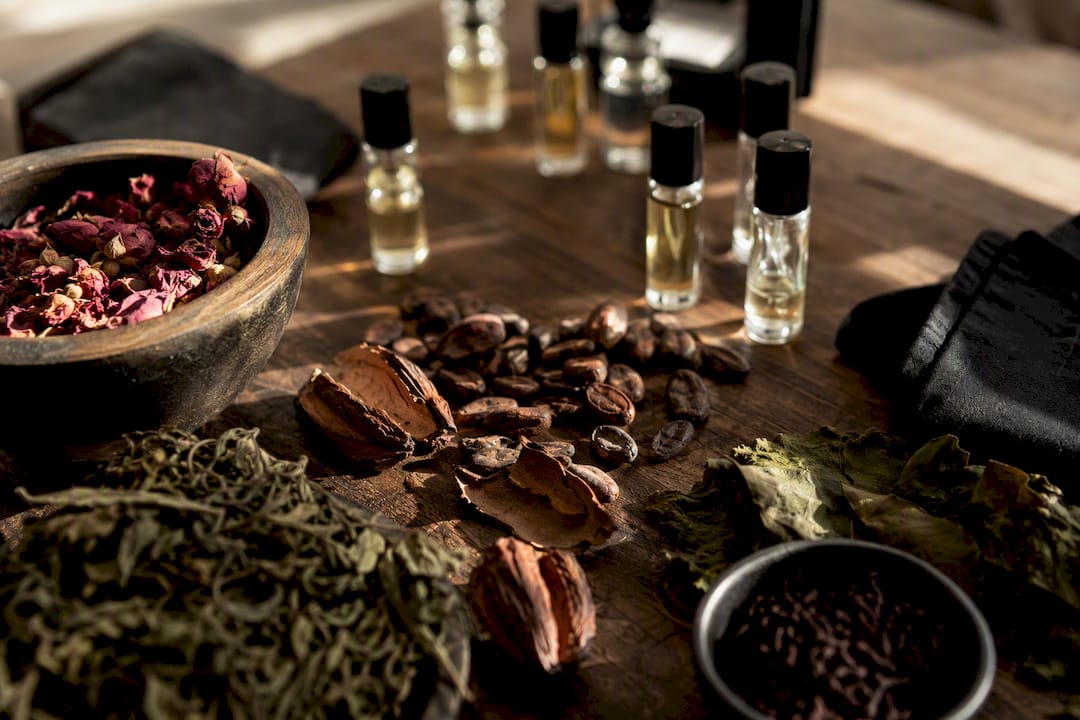
The smarter approach is building a small rotation rather than hunting for one definitive patchouli. Keep something earthy and quiet for solitary days, something gourmand for evenings when you want to be noticed, and something tobacco-leaning for the colder months. That range also holds up well against fragrances built for unisex wear, since patchouli crosses gendered marketing more comfortably than almost any other note.
Sampling is the only honest way to get there. Buying blind on this list means gambling on formulations that can vary by batch and by skin, whereas a handful of decants lets you rule out three fragrances and fall properly for a fourth, at a fraction of the cost.
— Rupesh
Try before you commit: sampling the patchoulis on this list
Buying a full bottle of niche patchouli sight unseen is expensive to get wrong, which is exactly the problem Theperfumesampler exists to solve. Every fragrance profiled above is available to try in smaller formats first, so instead of gambling $150 or more on Borneo 1834 or Patchouli Ardent, you can order a 2ml or 3ml decant, wear it properly across a full day, and only move to a full bottle once you know it earns a permanent place in your rotation.
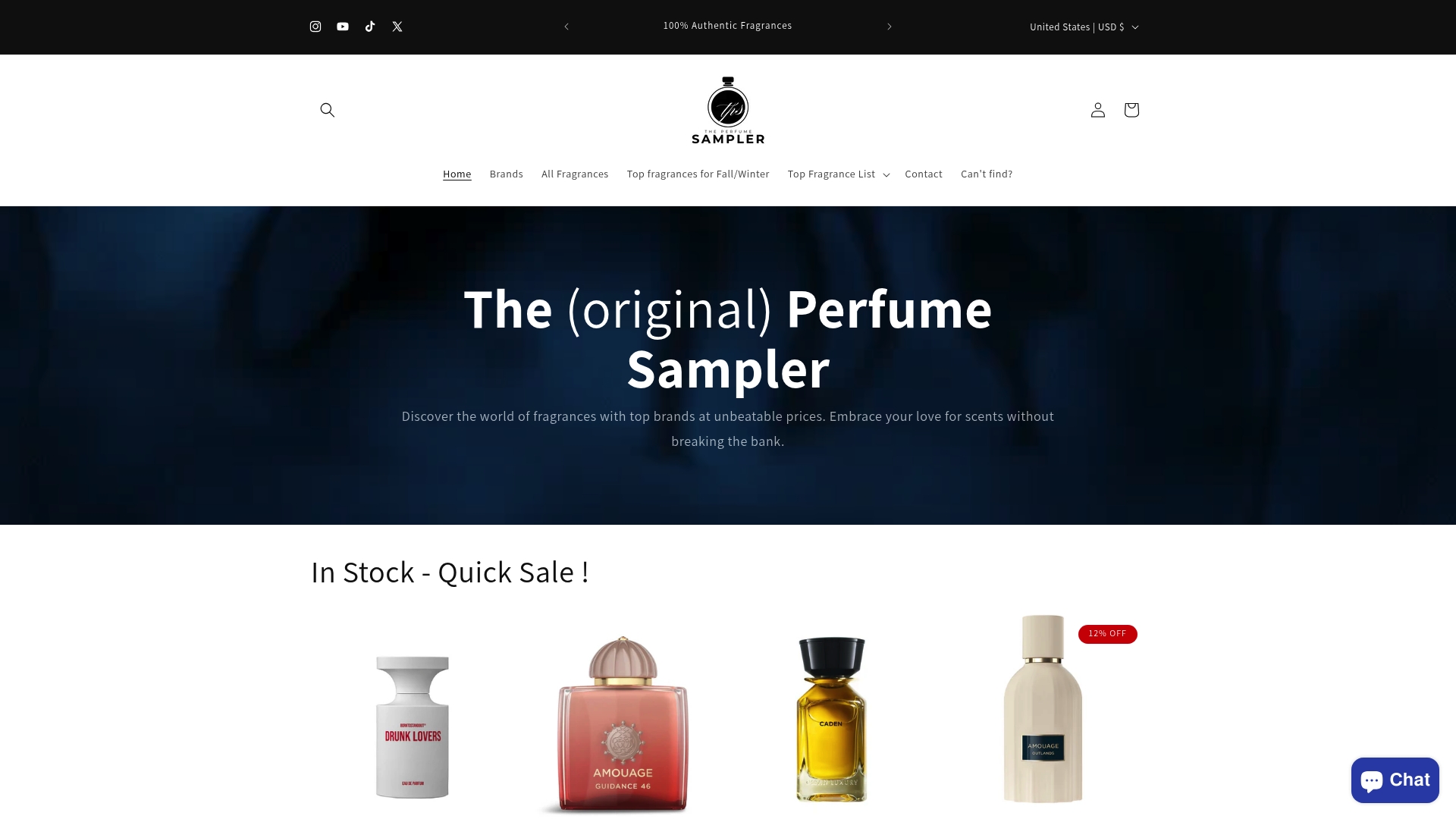
A 2ml decant typically covers two to three full wears, enough to run the opening, heart, and dry-down checks this guide recommends. A 5ml or 10ml size suits a fragrance you already suspect will become a staple but want to live with a little longer before buying the full bottle. Explore the full reasoning behind sampling before buying, or browse examples of how decant and full-bottle options sit side by side on a product page such as Boss Bottled Absolu Parfum Intense. Stock on niche patchoulis shifts regularly, so not every fragrance named in this guide will be available at every size at all times, but the shortlist above is a solid starting point for your next order.
Sources
- 10 Favorite Modern Patchouli Fragrances - Bois de Jasmin
- Patchouli Ardent - Guerlain (US page)
- The Best Patchouli Fragrances: 15 Soliflores to Consider – Kafkaesque
- Le Patchouli Elixir - Reminiscence
- Cafe Tabac Eau de Parfum - Aedes