
What is a student friendly fragrance brand?
TL;DR:
- Student-friendly fragrances combine affordability, light projection, and formulas that respect shared spaces.
- Choosing citrus, floral, or musk notes with light sillage helps students scent appropriately in academic environments.
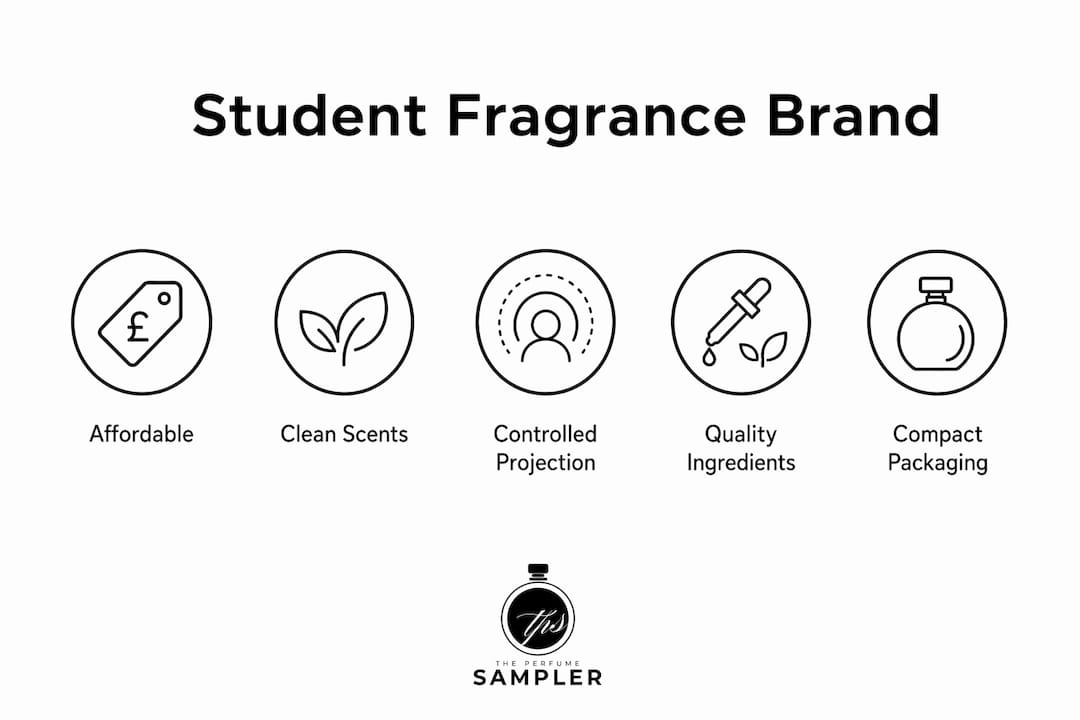
A student friendly fragrance brand is defined as one that combines affordable pricing, clean and versatile scent profiles, and formulations suited to shared academic environments such as lecture halls, libraries, and dormitories. The term is informal rather than an established industry category. The recognised industry equivalent is “accessible fragrance,” which covers brands that prioritise ingredient transparency, light projection, and price points within a student budget. Understanding what separates a genuinely accessible scent brand from a cheap one helps you spend wisely and smell great on campus without irritating your peers.
The core criteria are straightforward. A student friendly brand keeps costs low without sacrificing ingredient quality, offers clean and versatile notes such as citrus, light florals, and soft musks, and produces scents with controlled projection. EU allergen regulations provide a useful benchmark here. Brands that formulate to EU allergen standards remove the most common sensitising compounds, making their products safer for shared spaces where classmates may have sensitivities. Theperfumesampler stocks a wide range of such options in sample and decant sizes, which makes exploring these brands genuinely affordable.
What scent characteristics make fragrances student friendly?
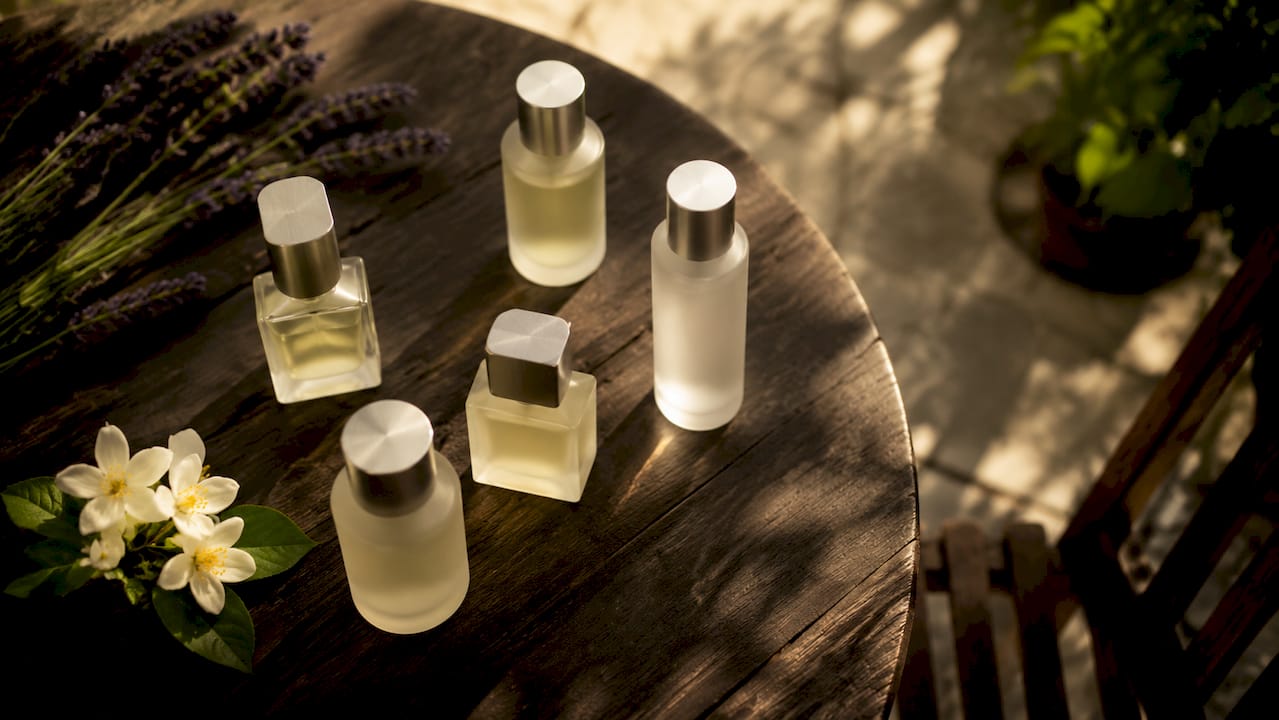
Clean and versatile scent notes are the foundation of any student friendly fragrance. Crisp citrus, light florals, aquatic accords, clean musks, and subtle woods all work well in academic settings because they project softly and fade gracefully. Heavy orientals, dense ouds, and thick gourmands are the opposite. They linger, travel far, and can distract or irritate people sitting nearby.
Sillage, the trail a fragrance leaves in the air, is the key technical factor for campus wear. Light sillage creates an intimate scent bubble that stays close to the wearer rather than filling a room. This is sometimes called a “dorm safe” or “study friendly” projection level, and it is the standard to look for when choosing a fragrance for daily academic use. A scent that performs well in a seminar room will still perform well at a social event; the reverse is rarely true.
Formulation matters as much as the scent itself. Brands that meet EU allergen free standards and use vegan, paraben free ingredients are increasingly popular with students, particularly Gen Z and Gen Alpha buyers who prioritise both personal safety and ethical sourcing. Evereden, for example, formulates its fragrance mists to strict non toxic and EU allergen free standards, producing clean, wearable scents designed specifically for younger users. That approach sets a clear benchmark for what responsible student friendly formulation looks like.
Here are the scent profiles most suited to campus life:
- Citrus and aquatic notes: Fresh, energising, and universally accepted in shared spaces.
- Light florals: Soft rose, peony, and jasmine work well without becoming cloying.
- Clean musks: Provide warmth and longevity without heavy projection.
- Subtle woods: Cedarwood and sandalwood add depth while remaining office and classroom appropriate.
- Avoid: Heavy amber, dense oud, and sweet gourmand bases in confined academic settings.
Pro Tip: Apply your fragrance to pulse points such as the wrists and the base of the throat rather than clothing. Skin application gives a more controlled, closer projection that is far better suited to shared spaces.
How does affordability shape student friendly fragrance brands?
Accessible fragrance brands reduce cost by removing the elements that inflate luxury prices without improving the scent itself. Designer inspired brands save buyers 60–90% compared to luxury retail by cutting expensive marketing campaigns, celebrity endorsements, and elaborate packaging. The fragrance inside a £30 bottle from an accessible brand can use the same quality aromatic compounds as a £200 designer bottle. The difference is almost entirely in the branding overhead.
For students, this matters practically. A typical luxury eau de parfum retails at £120 to £400 or more. Accessible alternatives sit at £29 to £39 for a comparable scent experience. That gap represents several weeks of groceries for most students, which makes the choice straightforward. Concentrated fragrance oils and smaller spray formats push costs down further. Perfume oils in small bottles are travel friendly, meet airline liquid regulations, and last longer on the skin than many alcohol based sprays, making them a practical choice for students who move between campus, home, and social settings.
Building a scent wardrobe on a budget requires a structured approach. Here is a practical sequence:
- Sample before you buy. Purchase 2ml or 5ml decants of any fragrance before committing to a full bottle. This prevents expensive mistakes.
- Identify your core scent families. Decide whether you lean towards citrus, floral, woody, or musky profiles before spending money on full bottles.
- Buy concentrated formats. Eau de parfum and perfume oil concentrations last longer than eau de toilette, so you use less per application.
- Prioritise versatility. Choose scents that work across multiple settings: lectures, the gym, and evenings out.
- Layer strategically. A clean musk base paired with a citrus top note gives you a more complex scent than either alone, at no extra cost.
Pro Tip: Fragrance oils from affordable brands often outperform designer eau de toilettes in longevity. Ajmal’s concentrated perfume oils, for instance, deliver 6–8 hours of wear at a fraction of the price of comparable designer options.
What fragrance products resonate most with students today?
Fragrance is increasingly a form of self expression for young adults, with preferences shifting towards non toxic, allergen free formulations. This shift has driven growth in specific product categories that suit student lifestyles particularly well. The most popular formats among students today include:
- Fragrance mists: Light, affordable, and easy to reapply throughout the day. Ideal for gym bags and locker rooms.
- Perfume oils: Concentrated, travel friendly, and long lasting. No alcohol means no drying effect on skin.
- Eau de parfum sprays in small sizes: 30ml bottles offer a full fragrance experience at a lower upfront cost than 100ml formats.
- Deodorant and body spray combinations: Practical for active campus days and gym sessions.
- Aesthetic mini collections: Small, collectible bottles that double as room décor and support self expression through scent.
Packaging has become part of the appeal for younger buyers. Brands that offer visually distinctive, compact bottles tap into the self expression trend that drives fragrance choices among students. A scent is no longer just something you wear. It is part of how you present yourself on campus, in photographs, and on social media. Clean ingredient lists and honest branding reinforce that identity for buyers who research what goes into their products.
The scent wardrobe concept is now mainstream among student buyers. Rather than searching for one all purpose fragrance, students build a small collection of two to four scents that cover different contexts. This approach is both more practical and more expressive than relying on a single bottle.
How to build a fragrance wardrobe on a student budget
A scent wardrobe for campus life does not require many bottles. Three to four well chosen fragrances cover every scenario a student encounters during a typical week. The key is matching scent character to context rather than wearing the same fragrance everywhere.
The table below shows common campus scenarios and the scent categories that suit each one.
| Campus scenario | Recommended scent category | Why it works |
|---|---|---|
| Morning lectures | Crisp citrus or aquatic | Fresh and alert without projecting far |
| Library study sessions | Clean musk or light floral | Subtle and non distracting for close quarters |
| Evening social events | Soft woody or warm musk | More presence without being overpowering |
| Gym and sports | Fragrance mist or light aquatic | Easy to reapply, not overwhelming post exercise |
| Formal presentations | Light floral or clean woody | Professional and polished without drawing attention |
Sampling before purchasing is the most cost effective strategy for building this wardrobe. A 2ml or 5ml decant gives you enough product to wear a fragrance for two to three days and assess how it performs on your skin, in your environment, and across different times of day. Skin chemistry changes a fragrance significantly. What smells clean and fresh on one person can turn powdery or sharp on another. Sampling removes this risk entirely.
Scent layering is a useful technique for students who want more complexity without buying more bottles. Applying an unscented moisturiser before your fragrance extends wear time. Layering a light body mist under a concentrated oil gives a richer result than either product alone. These are practical skills that perfume types for youth guides cover in detail.
Pro Tip: Apply fragrance immediately after showering while skin is still slightly warm. The heat opens pores and helps the scent bond to skin, extending longevity without using more product.
Key takeaways
A student friendly fragrance brand is defined by three non negotiable qualities: affordable pricing, clean and controlled scent projection, and formulations that respect shared academic spaces.
| Point | Details |
|---|---|
| Scent profile matters most | Choose citrus, aquatic, light floral, or clean musk notes for campus settings. |
| Light sillage is non negotiable | Fragrances with intimate projection respect peers and shared study environments. |
| Sampling prevents waste | Buy 2ml–5ml decants before committing to a full bottle to test skin chemistry. |
| Accessible brands cut cost, not quality | Removing marketing overhead saves 60–90% without reducing ingredient quality. |
| A small wardrobe beats one bottle | Three to four context specific scents cover every campus scenario more effectively. |
Fragrance and student identity: a personal view
By Rupesh
Students often underestimate how much a fragrance choice communicates before they say a word. I have seen students spend considerable time on their appearance and then apply a heavy, room filling scent that works against everything else they have done. The fragrance is not wrong. The context is. A dense oriental that works beautifully on a Friday evening is genuinely disruptive in a seminar room on a Tuesday morning.
The practical answer is not to own fewer fragrances. It is to own the right ones for the right moments, and to understand that restraint in projection is a courtesy, not a compromise. Light sillage is not a weakness in a fragrance. For a student, it is a feature.
What I find most encouraging is the shift towards sampling and decants among younger buyers. Rather than buying a full bottle based on a shop counter spray, students are now testing fragrances properly over several days before spending real money. That is genuinely smart purchasing behaviour, and it leads to better outcomes. You learn your own skin chemistry. You learn which scent families suit your lifestyle. You stop buying bottles that sit unused on a shelf.
Fragrance as self expression is real and worth taking seriously. A well chosen scent worn at the right strength is a quiet, confident statement. For students building their identity, that matters more than the price on the bottle.
— Rupesh
Theperfumesampler: try before you commit
Theperfumesampler offers fragrance decants in 2ml, 3ml, 5ml, and 10ml sizes, covering a wide range of niche and designer options at prices that fit a student budget. Sampling is the most reliable way to find scents that work for your skin, your lifestyle, and your campus environment.
Every decant from Theperfumesampler is 100% authentic, drawn directly from the original bottle. You get the real fragrance experience without paying full bottle prices. Read more about why decants make sense for students who want to build a considered scent wardrobe without financial risk. For students who already know what they want, Theperfumesampler also stocks full bottles of luxury fragrances at competitive prices.
FAQ
What makes a fragrance brand student friendly?
A student friendly fragrance brand offers affordable pricing, clean and light scent profiles, and controlled projection suited to shared academic spaces. Formulations that meet EU allergen free standards add an extra layer of suitability for sensitive environments.
What are the best scent notes for students?
Citrus, aquatic, and light floral notes are the most widely accepted for campus settings. They project softly, fade cleanly, and work across lectures, libraries, and social events without causing distraction.
Are fragrance samples worth buying as a student?
Sampling is the most cost effective way to build a scent wardrobe. A 2ml or 5ml decant lets you test a fragrance on your own skin over several days before committing to a full bottle, preventing expensive mistakes. Theperfumesampler offers college student sampling guides to help with this process.
How many fragrances does a student actually need?
Three to four fragrances cover every typical campus scenario. A fresh daytime scent, a subtle study scent, a social evening option, and a light gym mist give you full coverage without overspending.
Do perfume oils last longer than sprays for students?
Perfume oils generally last longer on skin than alcohol based eau de toilette sprays. They are also travel friendly and meet airline liquid regulations, making them a practical format for students who travel regularly between home and campus.