
The best mint perfumes worth sampling this year
If you want a mint perfume now, here are the best mint-forward scents to try before you commit to a full bottle. Mint in fragrance ranges from icy menthol to soft green herb, and the right choice depends on how sharp or restrained you want that freshness to feel.
- Eau de Minthé by Diptyque — best for fans of a proper fougère with mint at the centre, backed by geranium and patchouli.
- Menthe Fraîche by James Heeley — best restrained mint, tempered with bergamot and green tea so it never tips into toothpaste territory.
- Versace Eros — best mainstream mint pairing, where mint meets vanilla and tonka for a sweeter, louder take.
- Comme des Garçons Series 5 Sherbet: Peppermint — best for those who want mint treated as a genuine, unapologetic feature rather than a supporting note.
- Parfums de Marly Sedley — best woody-citrus mint, built on bergamot, spearmint, lavandin and sandalwood.
Rupesh, who curates the shortlists behind Theperfumesampler’s mint selection, has sampled each of these across seasons and skin types before recommending them here. Because mint reads so differently from person to person, Theperfumesampler sells 2ml, 3ml, 5ml and 10ml decants of most of these, so the sensible next step is sampling rather than guessing from a description.
Key Takeaways
Sampling mint perfumes in small decants before buying a full bottle is the most reliable way to judge how mint will actually perform on your skin.
| Point | Details |
|---|---|
| Start with a shortlist | Eau de Minthé, Menthe Fraîche, Versace Eros, and Comme des Garçons peppermint cover the main mint styles worth trying first. |
| Know your mint type | Peppermint reads icy, spearmint reads sweeter, and wild mint sits closer to green herb. |
| Mint fades fastest early | Longevity claims usually describe the base note, not the mint itself, since mint burns off within an hour or two. |
| Test across days and temperatures | Mint’s cooling effect and projection change noticeably between warm and cool conditions. |
| Sample before buying a bottle | Theperfumesampler’s 2ml, 3ml, 5ml and 10ml decants let you confirm a mint scent works before paying full price. |
Table of Contents
- Best mint perfumes to try: the full curated list
- What does mint actually smell like in perfumery?
- When should you wear a mint perfume?
- How do you sample mint perfumes before buying a bottle?
- Why mint deserves more respect than it gets
- Try mint decants before you commit to a bottle
- Sources
Best mint perfumes to try: the full curated list
Mint perfumes rarely behave the same way twice. The molecule count, the pairing notes, and even the humidity in the room all change how sharp or soft a mint composition feels on skin. Below is a broader shortlist of notable mint fragrances available to buyers, each with what makes it distinct.
1. Eau de Minthé (Diptyque) This is mint built as a fougère, not a garnish. Diptyque pairs mint with geranium and patchouli, giving the composition a herbal, slightly earthy backbone rather than a sweet or icy one. It suits cooler evenings as much as hot afternoons, since the patchouli grounds the mint once it settles. Expect moderate sillage and decent longevity for an eau de parfum built around a typically fleeting note.
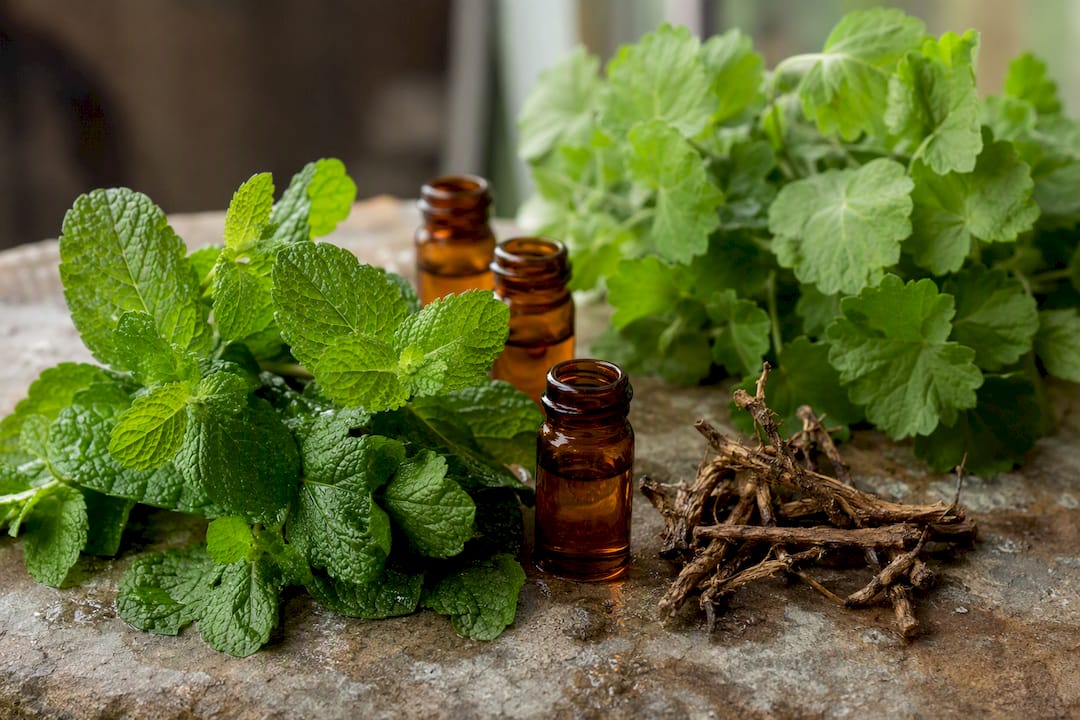
2. Menthe Fraîche (James Heeley) Where Eau de Minthé leans herbal, Menthe Fraîche leans clean. Bergamot and green tea soften the mint, and reviewers note this restraint keeps the scent from reading medicinal, a common pitfall with menthol-forward compositions. This is a daytime, warm-weather fragrance with light to moderate projection. It works well for anyone who finds mint fragrances usually too sharp for office wear.
3. Versace Eros Eros uses mint as a top-note flourish above a sweeter base of vanilla, tonka bean and amber woods. It’s louder and more conventional than niche mint compositions, which makes it a reasonable entry point if you’re new to mint and want something familiar first. Longevity runs long, and projection is strong enough to notice in a crowded room.
4. Comme des Garçons Series 5 Sherbet: Peppermint This one commits fully. Peppermint is the headline, not a supporting act, and the result reads closer to actual mint leaf than most commercial interpretations. It’s a fragrance for people who already know they like sharp, cold-feeling scents rather than a gentle introduction to the note. Wear it in genuine heat, since its intensity fades fast in cold air.
5. Parfums de Marly Sedley Sedley folds spearmint into bergamot, lavandin and sandalwood, producing a woody-citrus scent where mint provides lift rather than dominance. This is the mint fragrance to reach for if florals and heavy sweetness aren’t your style but you still want a fresh top note.
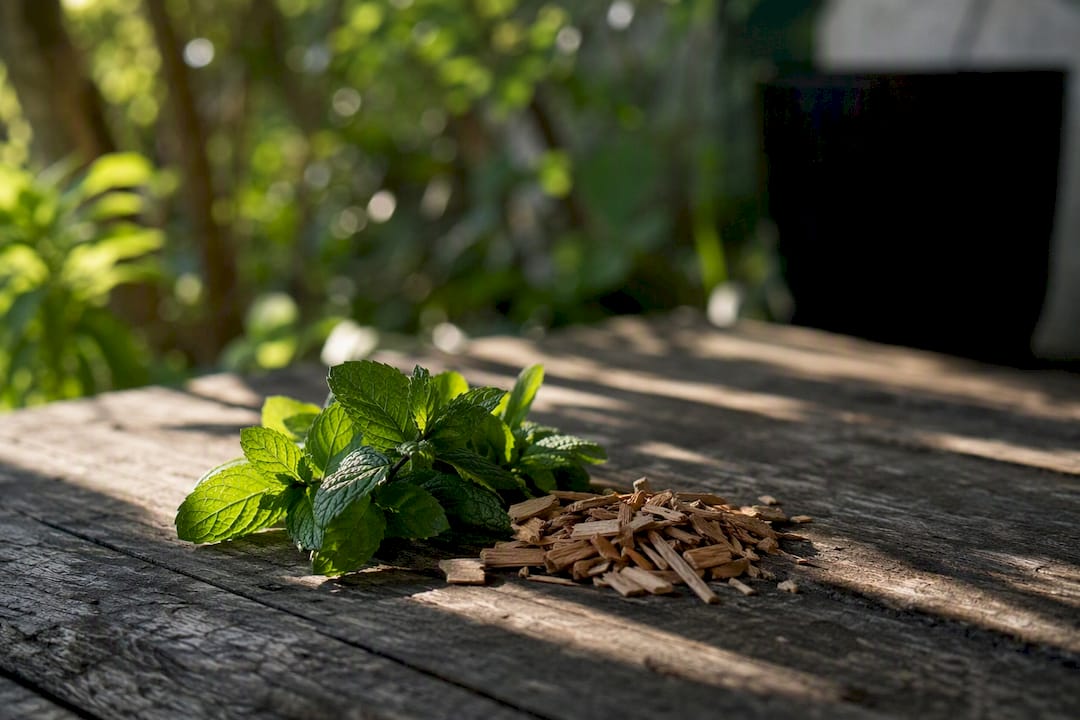
6. Mint paired with vanilla and gourmand bases Several designer houses use mint the way Eros does, as a bright contrast note above a warm, sweet base. These compositions tend to have strong longevity because the gourmand base notes are naturally long-lasting, even though the mint itself fades within the first hour or two.
7. Mint in green floral compositions A smaller but notable category pairs mint with green florals like galbanum, violet leaf or hyacinth, producing a crisp, almost bitter freshness rather than a sweet or icy one. These tend to suit early spring and transitional weather better than peak summer heat.
8. Mint layered with citrus and green tea This structure, seen in Menthe Fraîche and similar niche releases, produces some of the most wearable mint fragrances for daily use. The citrus lifts the mint without sharpening it further, and green tea adds a dry, slightly bitter note that keeps things from feeling too sweet.
9. Mint in aromatic fougères with lavender Traditional fougère structures sometimes swap out standard herbal notes for mint, producing something between a classic barbershop scent and a modern green fragrance. These read as more masculine-coded in marketing but wear well on anyone who likes structured, herbal freshness.
10. Mint with woody bases like sandalwood or cedar Mint over wood is one of the most durable pairings in perfumery because the wood holds the mint’s brightness in place for longer than a pure citrus or floral base would. Sedley is the clearest commercial example, but the structure appears across several niche and designer lines.
A few things to note when comparing these:
- Mint fades faster than almost any other top note, so longevity claims usually describe the base, not the mint itself.
- Fragrances with wood or gourmand bases tend to outlast mint compositions built on citrus or green florals.
- The word “mint” on a product page can mean menthol, spearmint, wild mint, or a synthetic accord, so scent character varies more than the label suggests.
Community-curated lists on sites like Fragrantica regularly surface Eros and Comme des Garçons peppermint scents alongside niche picks, which is a useful cross-check if you want a second opinion before buying a decant.
What does mint actually smell like in perfumery?
Mint isn’t one smell. Perfumers draw on at least three distinct types, and each behaves differently once it’s on skin.
- Peppermint is the sharpest and coldest, dominated by high menthol content that reads as icy rather than green.
- Spearmint is softer and sweeter, with less menthol and more of a leafy, slightly sugary quality.
- Wild mint and related green herbs like shiso sit somewhere between mint and basil, giving a more herbal, less medicinal impression.
Fragrantica’s overview of the mint note describes this range as running from bright leafy green through icy menthol to darker herbal registers, depending on the species and materials a perfumer chooses. That range explains why two “minty” perfumes can smell almost unrelated.
Mint’s job in a composition is rarely to stand alone. It acts as a contrast note, cutting through sweetness in a gourmand base or adding lift to a heavy woody accord. Against vanilla or tonka, mint keeps things from feeling flat or cloying. Against sandalwood or patchouli, it adds a cold, bright edge that stops the composition from feeling too dense. Mint even changes how florals read, sharpening a rose or softening a heavier white flower.
The reason mint feels cooling isn’t purely psychological. Menthol and menthone compounds in mint physically trigger the same cold receptors in skin and nasal tissue that respond to actual temperature drops, a finding credited to neurologist Alan Hirsch. That’s why a mint perfume can feel refreshing even in still, humid air, when almost nothing else in the bottle has changed temperature at all.
Perfumers also have to manage mint’s biggest risk: going medicinal. Heavy menthol on its own reads closer to mouthwash than a wearable scent. The usual fix is pairing mint with sweeter or woody notes that round off the sharp edges, which is exactly why Menthe Fraîche leans on bergamot and green tea rather than letting mint run unchecked.
When should you wear a mint perfume?
Mint performs best in heat, but not exclusively. Understanding how it behaves across temperature and humidity will save you from buying a bottle that only works three months a year.
- Summer and warm climates are mint’s natural home, since the cooling effect is most noticeable when your skin is already warm.
- Transitional spring weather suits the greener, more herbal mint compositions, especially those paired with citrus or light florals.
- Cold weather tends to mute mint quickly, so heavier fougère or woody-mint blends like Eau de Minthé work better than icy peppermint in winter.
- Evening wear favours mint paired with vanilla or amber, since the warmth of the base note keeps the fragrance from feeling thin after dark.
Apply mint fragrances to pulse points as usual, but consider a light spray on clothing too. Fabric holds mint’s volatile top notes slightly longer than skin does, which helps offset how quickly mint fades on its own. Layering with a citrus fragrance can extend the fresh impression once the mint itself has faded, while a woody base underneath gives the scent something to hold onto for hours three and four.
Pro Tip: Judge a mint perfume’s projection at the one-hour mark, not on first spray. Mint’s opening blast is almost always stronger than what settles in once the top notes burn off.
Wardrobe pairing is simple: lighter mint fragrances suit cotton and linen in warm weather, while mint-and-wood blends hold up better against heavier autumn fabrics. Save Eau de Minthé or Sedley for smart-casual daytime occasions, and reach for Eros or Comme des Garçons peppermint when you want something more noticeable in the evening.
How do you sample mint perfumes before buying a bottle?
Mint’s biggest buying risk isn’t price. It’s that a description on a product page tells you almost nothing about how a specific mint accord will read on your own skin, in your own climate. Sampling remains the most cost-effective way to judge this, because mint’s perceived freshness shifts noticeably with skin chemistry and ambient temperature.
Theperfumesampler sells decants in 2ml, 3ml, 5ml and 10ml sizes, and mint fragrances are one of the clearest cases for starting small.
- Buy a 2ml or 3ml decant first for an initial sniff test, just enough to judge the opening and confirm you like the mint type before spending more.
- Move to a 5ml decant once you like the opening, since that size gives you enough product to test longevity and drydown across several wears.
- Compare two or three mint perfumes blind, without checking labels between sprays, to see which mint character you actually prefer rather than which name you recognise.
- Test on skin and on fabric separately, since mint often reads sharper on fabric and softer, warmer on skin.
- Wear each sample on at least two different days, ideally one warm and one cooler, since mint’s cooling effect varies with temperature.
Mint’s cooling perception is partly sensory, driven by menthol and menthone compounds, and partly cognitive. Testing across multiple days and temperatures reveals just how much a mint fragrance’s character can shift depending on conditions.
For background on how notes develop across a fragrance’s lifespan, Theperfumesampler’s guide to fragrance layers and lasting power is worth reading before you commit to a full bottle.
Why mint deserves more respect than it gets
Mint gets dismissed too often as a novelty note, something reviewers mention in passing before moving on to the “real” heart of a fragrance. That’s a mistake. The research on mint’s physiological cooling effect suggests it’s doing genuine sensory work, not just adding a fresh smell on top of a composition that would work fine without it.
The conventional advice, “wear mint in summer and forget it the rest of the year,” undersells how well mint performs in fougères and woody blends built for cooler months. Eau de Minthé makes that case well. What gets overrated, meanwhile, is heavy peppermint worn alone with no supporting structure. It smells sharp for twenty minutes and then vanishes, leaving nothing behind.
If there’s one thing readers should prioritise, it’s testing mint across more than one day and temperature before buying a bottle. Mint is the note most likely to disappoint someone who only tried it once, in one set of conditions, and assumed that was the whole story.
Try mint decants before you commit to a bottle
Buying a full bottle of a mint fragrance sight unseen is a real gamble, given how much mint’s character shifts with skin chemistry and temperature. Theperfumesampler solves that problem directly: instead of paying full price to find out a peppermint scent reads medicinal on your skin, you can order a 2ml or 5ml decant first and know within a day or two.
Start with the why decants explanation to see exactly how the sizing and pricing works, then build a small sample order around two or three of the mint fragrances covered above. If you want a comparison point outside mint while you’re at it, a fragrance like BOSS Bottled Absolu Parfum Intense is available in the same decant format. Rupesh’s shortlist and Theperfumesampler’s sizing options exist for exactly this situation: testing before committing, at a fraction of full-bottle cost.
Sources
- Finding reported about mint triggering cold receptors (Alan Hirsch) — Los Angeles Times archive
- Mint note overview — Fragrantica
- Menthe Fraîche product notes and review — Silloria
Recommended
- Rare oud wood fragrances: the 2026 collector’s list – ThePerfumeSampler
- The best workplace perfumes for everyday office wear – ThePerfumeSampler
- Popular aesthetic fragrance choices: find your signature scent – ThePerfumeSampler
- Discover wearable fragrances: a luxury guide to sampling scents – ThePerfumeSampler